
Companion Plants
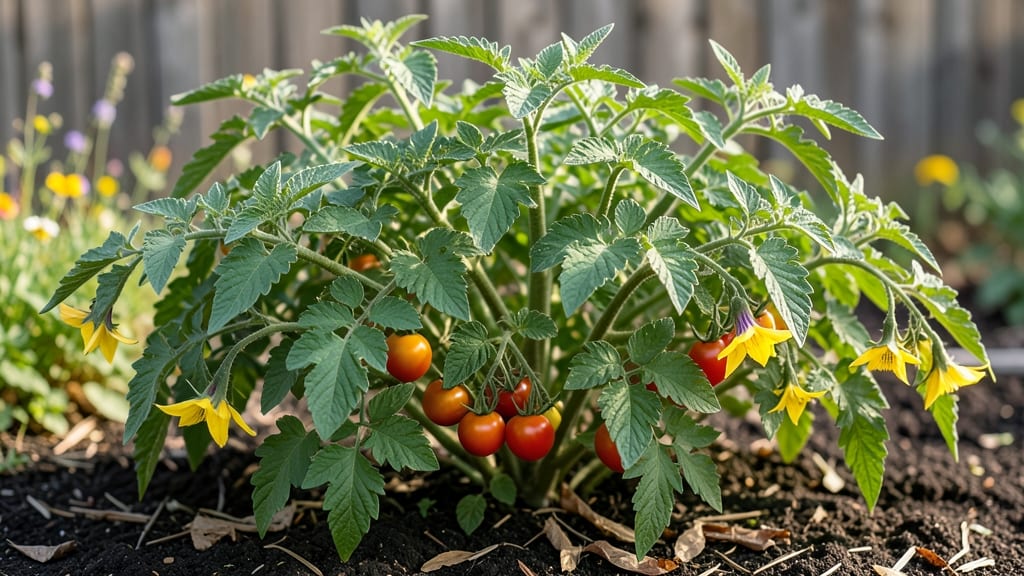
Indeterminate cherry tomato plants keep producing fruit until frost, but only if you give them the right support. 🌱 I learned this the hard way when my vines sprawled across the ground, producing a few cherries before giving up—until I built a proper trellis system that turned them into a never-ending snack factory.
The secret isn't just the trellis—it's how you train the vines upward from day one. Start with 5-6 feet of vertical space and sturdy stakes or a cage, then prune suckers (those little shoots in the leaf axils) as they appear.
This redirects energy into fruit production instead of bushy growth. My plants now climb like vines in a jungle, with clusters of sweet, sun-ripened cherries appearing every 7-10 days all summer long. You'll end up with pounds of fruit from a single plant, far more than determinate varieties ever produce.
The key is consistency: water deeply 1-2 times per week, fertilize lightly every 2-3 weeks, and watch for early blight on lower leaves (remove those immediately). The payoff? A harvest that lasts until the first frost—and maybe even through a light frost if you cover them.
Works in containers too (just use a 5-gallon pot with a tomato cage), and the same principles apply whether you're in Zone 5 or Zone 10. Here's how to make it happen without the guesswork.
📚 In This Guide
- What you need
- Instructions
- Tips and common mistakes
- Wrapping up and next steps
What you need
- ● Indeterminate cherry tomato seeds or seedlings: Choose disease-resistant varieties like 'Sungold,' 'Sweet 100,' or 'Tiny Tim.' (3–5 plants per person, depending on space.)
- ○ Trellis or stakes: 6–8 ft tall (bamboo, metal, or wooden). Optional: Tomato cages (5–6 ft) if space is limited.
- ● Garden soil or potting mix: Well-draining, rich in organic matter (avoid fresh manure). Add compost (1–2 lbs per plant).
- ○ Fertilizer: Balanced 10-10-10 or tomato-specific fertilizer (follow package rates). Optional: Slow-release pellets.
- ● Mulch: Straw or shredded leaves (2–3 inches) to retain moisture and suppress weeds.
- ● Gloves and pruners: Sterilized pruners for trimming suckers (sharp, bypass-style).
- ● Watering can or hose with nozzle: Drip irrigation is ideal for consistent moisture.
- ● Support ties: Soft plant ties or old T-shirts (to gently secure vines to trellises).
- ○ Sunlight access: Full sun (6–8+ hours daily). Optional: Shade cloth (30–50%) for hot climates.
- ● Container or garden bed: At least 18–24 inches deep (for root growth) and 18 inches apart per plant.
Step-by-step guide to trellising indeterminate cherry tomatoes
Here’s how to keep your vining cherry tomatoes productive all season long.
🌱 Step 1: Choose the Right Trellis Structure
Indeterminate cherry tomatoes grow 6-10 feet tall and need a sturdy support system. I recommend a 5-foot-tall tomato cage for smaller plants or a 6-foot wooden stake with twine for taller varieties. Avoid flimsy wire cages—they’ll collapse under the weight of heavy fruit.
For a DIY trellis, drive a 2x4 wooden stake into the ground at planting time, leaving 4 feet above soil level. Use 3-gauge soft twine (not wire) to create a crisscross pattern, spacing supports 12 inches apart vertically. This gives your vines plenty of room to climb without snapping stems.
☀️ Step 2: Plant Near the Trellis for Easy Support
Dig a hole twice as wide as the root ball but only as deep as the container. Place your plant so the trellis is within 6 inches—this prevents later root disturbance when you tie up vines. Gently loosen the roots if they’re circling the pot, then backfill with soil.
Water deeply right after planting to settle the soil around roots. You’ll see new growth within 7-10 days if conditions are right. This is the moment to install your trellis immediately—waiting until vines sprawl makes training harder later.
✂️ Step 3: Train Vines as They Grow
When vines reach 12 inches tall, gently weave the main stem through the trellis supports. Use soft plant ties (not wire or zip ties) to secure the stem without crushing it. I check my ties weekly—tight ones can girdle stems and stop upward growth.
Remove suckers (the small shoots growing in the leaf axils) to direct energy upward. Pinch them off with your fingers when they’re no bigger than a pencil eraser. This keeps the plant focused on producing fruit instead of bushy foliage.
💧 Step 4: Prune for Airflow and Sunlight
When vines hit the top of your trellis, trim the topmost leaves to encourage branching. This creates more fruiting sites without overloading a single stem. Remove yellow or diseased leaves immediately—they spread problems faster than you think.
Prune only in the morning so wounds have all day to heal. You’ll see more sunlight reaching lower fruit clusters, which means sweeter, riper cherries even at the bottom of the plant. Just don’t overdo it—leave at least 3-4 leaves above each fruit cluster to support growth.
⏰ Step 5: Harvest and Maintain Through Fall
Pick cherries when they’re fully colored and just starting to soften. I harvest every 2-3 days in peak season—waiting too long makes them split or attract pests. Use scissors or pruning shears to avoid damaging stems.
Keep pruning suckers and deadheading until your first frost. With proper trellising, your plant will keep producing until temperatures drop below 50°F at night. At that point, harvest any remaining fruit and let the plant die back naturally—you’ve already gotten months of harvests from one plant!
Tips & tricks for perfect trellised cherry tomatoes
Here's what I learned after years of growing these prolific vines—these tricks make all the difference.
Support System Matters: I can't stress this enough—your trellis needs to be sturdy enough to handle the weight of 6-10 foot vines plus heavy fruit clusters. I've seen tomato cages collapse under the weight, so if you're growing taller varieties, use a 6-foot wooden stake with twine instead. The 12-inch vertical spacing between supports in a DIY trellis is perfect for preventing stem breakage as vines grow.
Timing is Everything: The 7-10 day window after planting is critical for establishing the trellis. This is when your plant sends out its first strong growth—waiting until vines sprawl makes training much harder later. I always install my trellis immediately after seeing those first signs of new growth, which usually appears right after the roots settle from that deep watering.
Pruning Secrets: When you reach the top of your trellis, don't just cut the top leaves—trim just enough to encourage branching while leaving those 3-4 leaves above each fruit cluster. I've found that morning pruning gives wounds all day to heal, which prevents disease entry points. And here's a pro move: leave the top few leaves untrimmed to signal the plant to continue growing upward.
Harvesting Hack: Those 2-3 day harvest intervals during peak season keep your plant productive. I've learned the hard way that waiting too long leads to split fruit and pest attraction. Use clean scissors or pruning shears to harvest—your fingers can damage stems and invite disease. The key is to pick when cherries are fully colored but still firm, which gives you the sweetest flavor and longest storage life.
Pro Tips for Indeterminate Cherry Tomato Plants
- Here's what I learned after years of growing these prolific vines—these tricks make all the difference.
- Support System Matters: I can't stress this enough—your trellis needs to be sturdy enough to handle the weight of 6-10 foot vines plus heavy fruit clusters.
- Timing is Everything: The 7-10 day window after planting is critical for establishing the trellis.
Frequently asked questions
Got questions about growing indeterminate cherry tomato plants?
You’re not alone! Here are answers to the most common concerns—from pruning to pests and everything in between.
How often should I prune indeterminate cherry tomatoes?
Prune indeterminate cherry tomatoes weekly during the growing season to encourage airflow and fruit production. Remove suckers (shoots in leaf axils) when they’re small (about 2–3 inches long). Avoid over-pruning—focus on keeping the plant balanced and trellised for support.
When is the best time to harvest indeterminate cherry tomatoes?
Harvest indeterminate cherry tomatoes when they’re fully colored, firm, and plump—usually 50–60 days after transplanting. Check clusters every 2–3 days to avoid overripe fruit. Pinch off yellowing or cracked tomatoes promptly to keep production flowing.
What are the most common pests for indeterminate cherry tomatoes, and how do I prevent them?
Watch for hornworms, aphids, and whiteflies. Prevent pests with:
- Neem oil sprays (early intervention)
- Row covers (for hornworms)
- Beneficial insects like ladybugs or lacewings
- Regularly inspect leaves and stems
Can I grow indeterminate cherry tomatoes in containers, and what size pot do I need?
Yes! Use a 5-gallon container minimum (bigger = better for long-term growth). Ensure pots have:
- Drainage holes
- Lightweight potting mix
- A sturdy trellis or cage
How do I protect indeterminate cherry tomatoes from frost or cold snaps?
Indeterminate cherry tomatoes are frost-sensitive. Use these tricks to extend the season:
- Cover plants with frost cloth when temps drop below 50°F (10°C).
- Plant near heat-absorbing materials (black plastic mulch).
- Start seeds indoors 6–8 weeks before last frost for an early jump.
- Choose cold-tolerant varieties like ‘Sweet Million’ or ‘Tiny Tim.’
Wrapping up and next steps
Growing indeterminate cherry tomato plants is a rewarding journey that turns your garden into a bounty of sweet, sun-kissed treasures—if you embrace the right techniques! 🌱 With proper trellising, pruning, and companion planting, you’ll unlock a season-long harvest that keeps taste buds dancing.
The secret? Patience and playful adaptability—let your vines climb, prune with purpose, and pair them wisely for a thriving ecosystem.
Ready to dive in? Start small—plant a single trellis this season, experiment with a few companion plants, and watch your confidence (and harvest!) grow. Next up: grab those seeds, sketch your trellis design, and get ready for a garden adventure that’s as fun as it is fruitful! 🍅✨