
How To
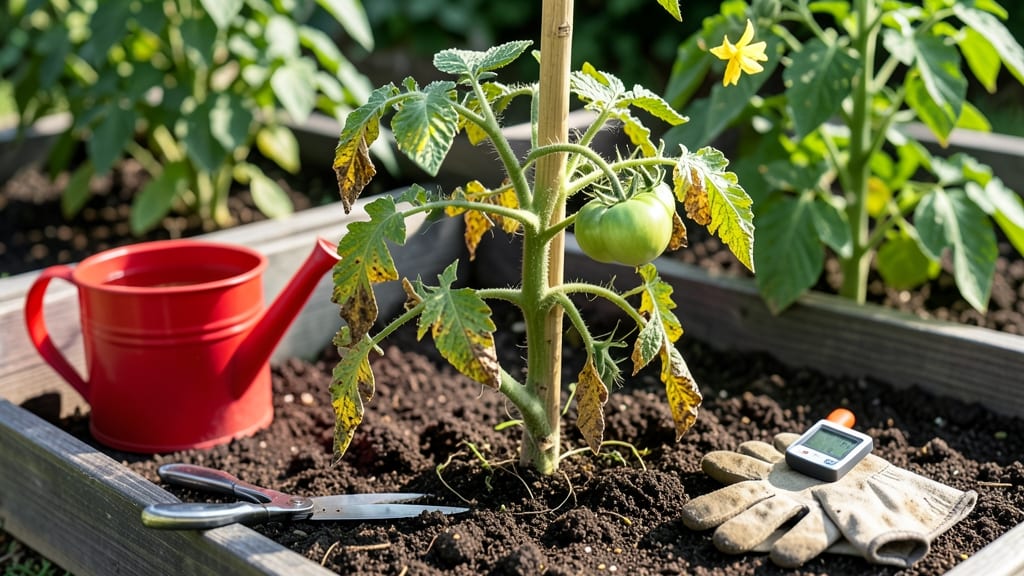
Your how to save a dying tomato plant might still be possible—root revival works better than you think. 🌱 I’ve brought back more wilted vines than I’d like to admit, and the secret lies in diagnosing the real problem first.
Is it thirsty? Stressed? Or something sneaky like blight hiding in the leaves? Let’s cut through the guesswork and get those roots drinking again.
Most "dying" tomato plants aren’t actually dead—they’re just screaming for help. Overwatering drowns roots, underwatering shrinks them, and pests like aphids sap energy faster than you’d believe. The good news?
Each issue has a foolproof fix, from adjusting your watering schedule to a quick soil check for compacted roots. No fancy tools needed—just your hands and a little patience.
Within 7-10 days, you’ll see the first signs of recovery: perky leaves, new shoots, and that telltale tomato scent in the air. The key is acting fast—prune damaged foliage, loosen compacted soil, and treat pests before they spread. Trust me, your plant has more life left than you realize.
Once you’ve revived it, prevent future crashes with simple habits: mulch to retain moisture, stake for airflow, and inspect leaves weekly. Your next harvest will be bigger—and your green thumb, stronger. Let’s turn that wilted vine into a thriving producer.
Root Causes Of Plant Decline
Understanding why your tomato plant is struggling is half the battle—because once you pinpoint the issue, you can take targeted action to revive it. Tomato plants are resilient, but they send clear distress signals when something’s wrong.
Below are the most common scientific causes behind a wilting, yellowing, or dying tomato plant, broken down for clarity.
Tomatoes need moisture, but too much water is a silent killer. When soil stays soggy for days, roots suffocate due to a lack of oxygen—a condition called anaerobic stress. Here’s what happens:
- Root Rot (Pythium & Phytophthora): Fungal pathogens thrive in waterlogged soil, attacking roots and blocking nutrient uptake.
Infected roots turn brown, mushy, and may even detach from the stem. - Nutrient Leaching: Excess water flushes away essential nutrients like nitrogen, potassium, and phosphorus, starving the plant despite its thirst. - Weak Structure: Overwatered plants develop weak stems because they can’t properly absorb calcium, leading to blossom-end rot (a separate but related issue).
💡 Pro Tip: Stick your finger 2 inches into the soil—if it’s damp, wait before watering. Use a moisture meter for precision, or opt for drip irrigation to deliver water directly to roots without oversaturating the soil.
On the flip side, chronic underwatering causes roots to retract and die back, triggering wilting even when water is present. This is often mistaken for overwatering, but the signs are different:
- Permanent Wilting: Leaves droop and stay down because the plant can’t pull water from shrunken roots.
Unlike temporary wilting (which recovers at night), this is irreversible if roots are severely damaged. - Leaf Scorch: Edges turn crispy and brown as the plant prioritizes water for roots over foliage. - Stunted Growth: Roots struggle to reach deeper moisture, so the plant stops producing new leaves or flowers.
⚠️ Warning Sign: If the soil is bone-dry below the surface, the plant may already be past saving. However, deep watering (soaking the soil 6–12 inches down) can revive mildly affected plants if done early.
Tomatoes hate soggy feet. If your garden bed or container lacks drainage, roots suffocate, leading to the same issues as overwatering—but often worse because the problem is structural.
- Clay or Hardpan Soil: Dense soil repels water, creating a perched water table where roots sit in a permanent puddle. Even with good watering habits, roots can’t breathe. - Container Drainage Failures: Pots without drainage holes trap water, accelerating root rot.
Over time, salts build up, further stressing the plant. - Root Bound Containers: Roots circling the bottom of a pot strangle themselves, reducing water and nutrient absorption.
🔨 Fix It: Amend heavy soil with compost or perlite, or switch to self-watering containers with proper drainage. For in-ground plants, consider raised beds with a mix of sand and organic matter.
Tomatoes are heavy feeders, and deficiencies show up fast. Yellowing leaves, weak stems, or stunted growth often point to missing nutrients:
| Symptom | Likely Deficiency | What It Does |
|---|---|---|
| Yellow lower leaves | Nitrogen (N) | Stunts growth, weakens stems, reduces foliage. |
| Purple or red stems | Phosphorus (P) | Slows root and flower development; poor fruit set. |
| Yellow between veins | Magnesium (Mg) | Interferes with chlorophyll production (often from overwatering or high pH). |
| Brown leaf edges | Potassium (K) | Weakens cell structure; increases disease susceptibility. |
| Blossom-end rot | Calcium (Ca) | Prevents cell wall formation; fruits develop dark, sunken spots. |
🌱 Solution: Use a balanced fertilizer (like 10-10-10) and Epsom salt (for magnesium) or crushed eggshells (for calcium). Test soil pH—tomatoes thrive in 6.0–6.8; adjust with lime (to raise pH) or sulfur (to lower it).
Hidden invaders can decimate roots overnight. Look for these silent saboteurs:
- Root-Knot Nematodes: Microscopic worms burrow into roots, creating galls (lumpy growths) that block water and nutrients. Infested roots look knobby and stunted. - Fungal Infections (Fusarium/Wilt): Wilting that starts in one branch and spreads upward is classic vascular wilt.
The plant may recover temporarily when watered but collapses by evening. - Cutworms or Slugs: These pests sever roots at the base, causing sudden collapse. Check for chewed stems or silvery slime trails at soil level.
🛡️ Defense: Rotate crops yearly, use neem oil for fungal prevention, and set up beer traps (for slugs) or diatomaceous earth (for nematodes).
🔍 Key Takeaway: Most dying tomato plants are victims of preventable issues—whether it’s water mismanagement, poor soil, or unseen pests. The good news? Early intervention (like adjusting watering or adding compost) can often bring them back to life.
Next, we’ll cover diagnosing your plant’s specific symptoms to tailor a revival plan.
Quick Fixes for Struggling Tomatoes
Your tomato plant might be fighting for its life, but with the right moves, you can turn things around. Below, we’ve mapped out the most common causes of decline and the practical, step-by-step fixes to revive your vines—plus tips to keep them thriving long-term.
Think of this as your tomato plant’s emergency room, where every symptom has a cure.
If your soil feels soggy or your plant’s leaves are yellowing with mushy stems, it’s likely drowning in its own water. Overwatering suffocates roots, cutting off oxygen and inviting fungal diseases like Fusarium wilt or root rot.
How to Fix It:
- 🔥 Stop Watering Immediately – Let the top 2–3 inches of soil dry out completely before watering again.
- 🍳 Check Your Soil – Stick your finger in the soil; if it’s damp past 2 inches, hold off. Tomato plants prefer consistent moisture, not soggy conditions.
- 👨🍳 Improve Drainage – Mix in perlite, coarse sand, or compost to aerate compacted soil. If potted, ensure the container has drainage holes.
- ⏰ Repot if Necessary – If root rot is severe (black, smelly roots), trim the affected parts with sterilized scissors, then repot in fresh, well-draining soil.
💡 Prevention Tips:
- Water deeply but infrequently—aim for the roots, not the leaves.
- Use a moisture meter or the "knuckle test" (press your finger into the soil; if it springs back, it’s dry).
- Avoid watering at night to prevent fungal growth.
Crispy leaves, dry soil, or plants that wilt by midday? Your tomatoes might be thirsty—or overheating. Heat stress and underwatering often look the same, but the fix is straightforward.
How to Fix It:
- 💦 Water Slowly and Deeply – Use a soaker hose or drip irrigation to deliver water directly to the roots. Avoid overhead sprinklers, which evaporate moisture quickly.
- 🌡️ Provide Shade Cloth – If temps hit 90°F (32°C)+, drape a shade cloth (30–50%) over the plants for a few hours daily.
- 🥗 Mulch Like a Pro – Spread 2–3 inches of straw or wood chips around the base to retain moisture and cool the soil.
- 🌿 Prune for Airflow – Trim back dense foliage to improve circulation and reduce stress on the plant.
💡 Prevention Tips:
- Water early in the morning to let foliage dry before nightfall.
- Group plants together to create a "microclimate" that retains humidity.
- Choose heat-tolerant varieties like ‘Heatmaster’ or ‘Solar Fire’ for future seasons.
Brown spots, white powder, or yellowing leaves with black streaks? Fungal infections like early blight, late blight, or powdery mildew can cripple your tomatoes in weeks. The good news? They’re treatable.
How to Fix It:
- 🔪 Prune Infected Leaves – Snip off and dispose of (don’t compost!) diseased foliage immediately. Sterilize your pruners with rubbing alcohol.
- 🌡️ Boost Airflow – Space plants 18–24 inches apart and stake them to prevent humidity buildup.
- 💊 Apply Fungicide – Use a copper-based fungicide or a baking soda spray (1 tsp baking soda + 1 quart water + a drop of dish soap) every 7–10 days.
- ✨ Prevent Future Outbreaks – Water at the base (never the leaves) and avoid overhead irrigation.
💡 Prevention Tips:
- Rotate crops yearly to prevent soil-borne pathogens.
- Choose disease-resistant varieties (look for labels like _V_ for verticillium or _F_ for fusarium resistance).
- Remove garden debris at season’s end to eliminate fungal spores.
Holes in leaves, sticky residue, or wilting despite good care? Pests like aphids, spider mites, or tomato hornworms can drain a plant’s vitality overnight.
How to Fix It:
- 👨🍳 Handpick the Culprits – Hunt for tomato hornworms (big green caterpillars) and drop them in soapy water.
- 💦 Blast Off Pests – Spray with a strong stream of water to dislodge aphids or mites.
- 🌿 Introduce Beneficial Insects – Ladybugs, lacewings, or nematodes (for soil pests) are natural predators.
- 🍎 Use Organic Sprays – Neem oil (mix 1 tbsp per quart of water) or insecticidal soap can smother pests without harming your plant.
💡 Prevention Tips:
- Install row covers early in the season to block pests.
- Plant basil or marigolds nearby—they repel many tomato pests.
- Inspect plants weekly for early signs of infestation.
With these targeted fixes, your tomato plant should start bouncing back within a few days to a week. The key is acting fast and addressing the root cause (literally!). Once revived, give your plant some TLC—like regular check-ins, proper watering, and a little shade on hot days—and you’ll be back to harvesting juicy, sun-ripened tomatoes in no time. 🍅✨
Frequently asked questions
Why does my tomato plant suddenly wilt even after watering?
This usually signals root stress from overwatering, underwatering, or pests. Check the soil: if it's soggy, you're drowning the roots; if bone-dry, they've retracted. Also inspect for chewed stems (cutworms) or sticky residue (aphids). Try deep watering first—soak the soil 6-12 inches down—and watch for improvement within 24 hours.
Can I save a tomato plant with black, mushy roots?
Only if the damage is limited to outer roots. Trim all black/mushy sections with sterilized scissors, then repot in fresh, well-draining soil. Add perlite or compost to improve aeration. For severe cases, start fresh with healthy cuttings—tomatoes root easily in water.
How often should I fertilize a struggling tomato plant?
Start with a balanced fertilizer (10-10-10) at half-strength every 2-3 weeks once you see new growth. Avoid overfeeding—too much nitrogen causes leafy growth but fewer fruits. For deficiencies: add Epsom salt (magnesium) or crushed eggshells (calcium) directly to soil.
Will pruning help revive a dying tomato plant?
Yes, but focus on removing only the worst damage. Cut back yellow/brown leaves and any branches with black spots or holes. Never remove more than 1/3 of the foliage at once—this stresses the plant further. Prune in the morning on dry leaves to prevent disease spread.
How can I tell if my tomato plant is beyond saving?
Look for these final warning signs: completely black stems, no new growth after 2 weeks of care, or a foul odor from the roots. If the plant feels hollow when squeezed or has no green leaves, it's likely dead. However, even "dead" plants sometimes surprise you—give them one last deep watering before deciding.