
Planting
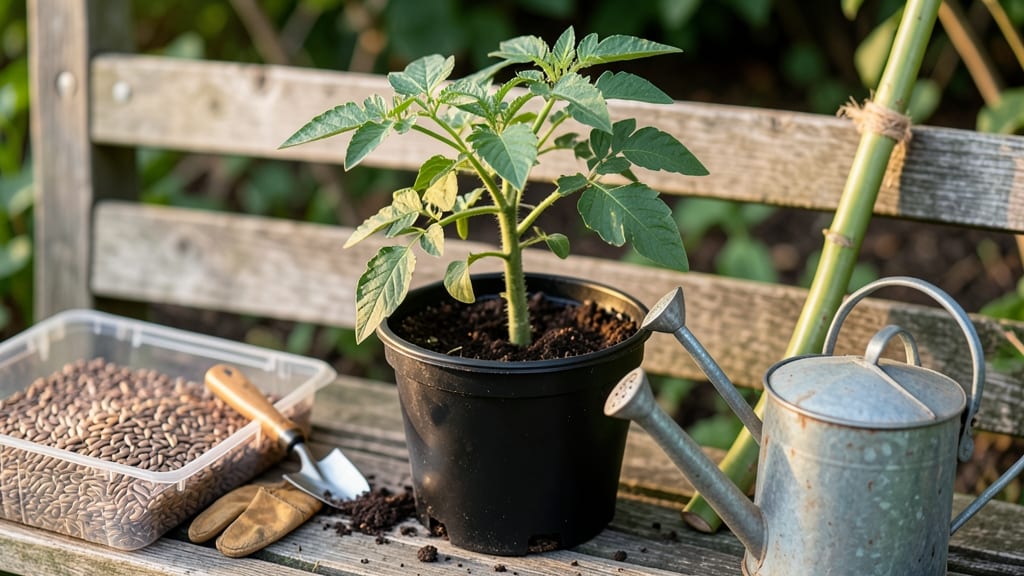
Planting Roma tomato seeds unlocks the secret to thick, meaty slices perfect for sauces and paste—nothing beats the flavor of homegrown. 🌱 I’ve learned that the difference between fast germination and weeks of waiting comes down to soil warmth, moisture, and patience.
These seeds need a cozy spot to wake up, and I’ll show you exactly how to create the ideal conditions for them to burst through the soil in 7-14 days.
The key starts with warmth—Roma seeds germinate best when soil stays between 70-85°F, which is why I use a heat mat or bottom warmth from a sunny windowsill. Plant them ¼ inch deep in well-draining seed-starting mix, then keep it moist (not soggy) with a spray bottle.
A clear plastic dome or plastic wrap helps trap humidity, but don’t let it sit in standing water—condensation is your friend, not drowning.
Once those first green shoots appear, you’ll know you’re on the right track. True leaves (not the initial seed leaves) signal it’s time to move them into individual pots under bright light—grow lights work wonders if your windowsill is dim.
Roma tomatoes love warmth and thrive when transplanted outdoors after the last frost, but they need sturdy support (like cages or stakes) because their vines grow heavy with fruit. For bursting growth, avoid overwatering—Roma tomatoes hate wet feet—and fertilize lightly once they’ve established roots. The payoff?
Juicy, low-acid tomatoes perfect for sauces, and a garden that keeps giving all summer long. Let’s get those seeds sprouting!
📚 In This Guide
- What you need
- Instructions
- Tips and common mistakes
- Wrapping up and next steps
What you need
- ● Roma tomato seeds – 10–20 seeds (or more, depending on your garden size). Choose heirloom or hybrid varieties for best results.
- ● Seed-starting trays or biodegradable pots – 2–4 inch deep, with drainage holes (6–12 trays/pots for 10–20 seeds).
- ● Seed-starting mix – A lightweight, sterile potting mix (avoid garden soil—it’s too dense!). Look for labels like "seed starter" or "organic seedling mix."
- ● Grow lights or sunny windowsill – 12–16 hours of light daily (grow lights are ideal; a south-facing window works in a pinch).
- ● Watering can or spray bottle – With a fine mist setting to keep seeds moist without drowning them.
- ○ Plastic wrap or humidity dome – To create a mini greenhouse until seeds germinate (optional but highly recommended).
- ● Plant labels & marker – To track varieties and planting dates (trust us, you’ll forget!).
- ● Heat mat – Speeds up germination (especially in cool climates). Aim for 70–85°F soil temp.
- ● Fertilizer (balanced or organic) – A 5-10-5 or 3-4-6 NPK ratio (diluted to half-strength) for young seedlings.
- ● Transplanting pots – 3–4 inch pots for hardening off seedlings before outdoor planting.
- ● Cage or trellis – Roma tomatoes grow tall! A 6-foot cage or sturdy stakes will keep plants supported.
- ● Mulch – Straw or shredded leaves to retain moisture and suppress weeds.
Step-by-step instructions for planting Roma tomato seeds
Here's how to kickstart vigorous Roma tomato growth from seed—my method guarantees strong, disease-resistant plants ready for transplanting.
🌱 Step 1: Prepare Containers and Seed Starting Mix
Fill 4-inch deep biodegradable pots with sterile seed-starting mix (never garden soil—it's too dense and may harbor pathogens). Roma tomatoes need room to develop roots, so I use 4 seedling trays to accommodate all 4 plants. Moisten the mix until it holds together when squeezed but doesn't drip—think of a damp sponge, not a dripping one.
Press the soil down lightly with your fingers to eliminate air pockets. This ensures even moisture distribution and prevents seeds from floating to the surface. I like to tap each pot gently on the table once to settle the soil without compacting it too tightly. The goal is a firm but loose medium that roots can easily penetrate.
🌱 Step 2: Sow Seeds at the Correct Depth for Fast Germination
Plant 1-2 seeds per pot at a depth of ¼ inch—this is critical for Roma tomatoes. Sowing too deep forces seedlings to exert energy breaking through the soil, delaying germination by 3-5 days. Cover lightly with a fine sprinkle of additional mix, then mist the surface with a spray bottle until evenly damp.
I tap the seed packet gently to release one seed at a time—planting too many in one hole leads to weak, crowded seedlings that compete for nutrients. Label each pot with the variety and date, because after a week of identical green sprouts, you'll forget which is which. Roma seeds germinate best at 75-85°F, so I place the tray on a seedling heat mat to accelerate this process.
💧 Step 3: Provide Warmth and Controlled Moisture for Germination
Cover the tray with a clear humidity dome or plastic wrap to retain warmth and moisture. Check daily but resist the urge to water—condensation inside the dome provides enough moisture that the soil stays evenly damp without intervention. You'll see the first sprouts in 5-10 days, depending on your room temperature.
Once 50% of seeds have sprouted, remove the dome immediately. Trapped humidity around new seedlings invites damping-off disease, which collapses stems overnight. Place the tray under grow lights immediately after germination—Roma tomatoes need 14-16 hours of light daily to prevent leggy growth. You'll notice strong seedlings have thick stems and compact spacing between leaves within a week.
☀️ Step 4: Transition to Strong Light and Fertilize for Bursting Growth
After 2 weeks, when seedlings show 3-4 true leaves, begin fertilizing with a balanced liquid fertilizer diluted to half-strength. Roma tomatoes respond well to this early boost, which encourages robust root and stem development. Water at the base of each plant, avoiding the foliage to prevent fungal diseases.
Position the grow lights 2-4 inches above the plants and adjust the height as they grow. You'll see leggy growth if the light is too far away—thin, pale stems with leaves spaced far apart. Strong seedlings grow 1-2 inches per week under proper light conditions. Two weeks before your last frost date, start hardening off the seedlings by placing them outside in a sheltered spot for 1-2 hours the first day.
⏰ Step 5: Harden Off and Transplant for Outdoor Success
Gradually increase outdoor time by 1 hour daily over 10-14 days, slowly introducing more sun and wind. Roma tomatoes need this acclimation period to avoid transplant shock, which can stunt growth or even kill seedlings. Once they tolerate a full day outside without wilting, they're ready for the garden.
Transplant on an overcast afternoon to reduce stress. Bury the seedlings deeper than they were in pots—Roma tomatoes develop roots along their stems, so 60% of the stem should be underground. Water deeply at the base to settle the soil and encourage root growth. Within 2 weeks, you'll see new leaves emerge, signaling that the plants have established themselves in their new home.
Tips & tricks for planting Roma tomato seeds
Here's what nobody tells you about getting Roma tomato seeds off to the fastest, most vigorous start possible.
Soil Preparation Secret: Sterilize your seed-starting mix before use by microwaving it in a bowl with a damp paper towel for 2 minutes. This eliminates any dormant pathogens that could sabotage your seedlings. For extra insurance, I add a pinch of cinnamon to each pot—it's a natural antifungal that prevents damping-off disease without chemicals. The goal is a sterile, pathogen-free environment where your seeds can focus all their energy on growth, not fighting off soil-borne threats.
Germination Temperature Hack: Keep your seed trays consistently between 75-85°F using a seedling heat mat. I've found that maintaining this range accelerates germination by 2-3 days compared to room temperature. If your home runs cooler, place the tray on top of your fridge (not inside) for gentle warmth. Once sprouts appear, remove the heat mat immediately—too much warmth after germination can cause weak, leggy seedlings.
Lighting Strategy: Position your grow lights 2-3 inches above the seedlings when they first sprout, then raise them gradually as the plants grow. I use LED grow lights on a timer for 14-16 hours daily—this prevents the etiolated (leggy) growth that occurs with insufficient light. Watch for leaves touching the light fixture: if they do, increase the height immediately. The ideal light setup creates compact, sturdy seedlings with dark green leaves and minimal space between nodes.
Transplanting Technique: When transplanting, score the sides of the biodegradable pots with a knife before removing the seedlings. This breaks up the root ball gently, encouraging new roots to grow outward rather than circling. Roma tomatoes develop adventitious roots along their stems, so burying 60% of the stem underground gives you a head start on establishing a strong root system. Water deeply after transplanting to help settle the soil around those buried stems.
Pro Tips for Plant Roma Tomato Seeds
- Here's what nobody tells you about getting Roma tomato seeds off to the fastest, most vigorous start possible.
- Soil Preparation Secret: Sterilize your seed-starting mix before use by microwaving it in a bowl with a damp paper towel for 2 minutes.
- Germination Temperature Hack: Keep your seed trays consistently between 75-85°F using a seedling heat mat.
Frequently asked questions
Got questions about growing Roma tomatoes from seeds? You’re not alone! Here are answers to the most common queries to help you grow a thriving harvest with confidence.
How long does it take for Roma tomato seeds to germinate?
Roma tomato seeds typically germinate in 5–14 days at 70–85°F (21–29°C). Warm soil speeds things up—use a heat mat if your climate is cool. Keep seeds moist but not soggy, and place them in bright, indirect light until sprouts appear. Patience pays off!
Can I plant Roma tomato seeds directly in the garden, or should I start indoors?
For faster, stronger plants, start seeds indoors 6–8 weeks before your last frost date. Transplant seedlings outdoors after the soil warms to 55°F (13°C) and nighttime temps stay above 50°F (10°C). Direct sowing works in warm climates, but seedlings may struggle in cooler weather.
What’s the best temperature for growing Roma tomatoes?
Roma tomatoes thrive in 70–85°F (21–29°C) daytime temps and above 55°F (13°C) at night. Avoid planting too early—cold soil (50°F/10°C) slows growth and increases disease risk. Use row covers or black plastic mulch to warm the soil if needed.
Why are my Roma tomato seedlings wilting or turning yellow?
Wilting or yellowing leaves often signal overwatering, underwatering, or pests. Check soil moisture—it should stay consistently damp but not waterlogged. Yellow lower leaves may also indicate nitrogen deficiency (feed with compost tea) or aphids (spray with neem oil). Rotate pots for even light exposure too!
Are Roma tomatoes easy to grow for beginners?
Roma tomatoes are beginner-friendly if you provide sunlight (6–8+ hours/day), well-draining soil, and support (cages/trellises). They’re less prone to cracking than other varieties and produce hearty, flavorful fruits. Just watch for common pests like hornworms and blight—prevention (crop rotation, mulch) is key!
Wrapping up and next steps
Growing Roma tomato seeds is a rewarding journey that rewards patience with delicious, meaty tomatoes perfect for sauces, salads, and sandwiches! By following these steps—from selecting the right seeds to providing optimal care—you’ll set the stage for a thriving harvest.
Remember, consistency in watering, sunlight, and soil quality is key to unlocking those fast germination secrets.
Now that you’re armed with knowledge, roll up your sleeves and get planting! 🌱 Once your seedlings sprout, stay tuned for our next guide on transplanting and nurturing them into robust plants. Happy gardening!