
How To
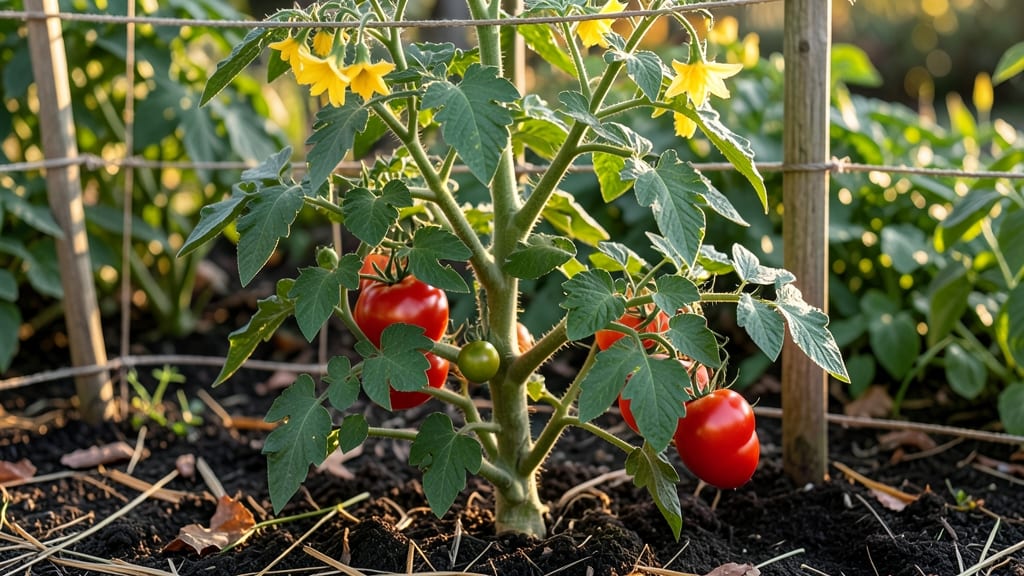
Big Boy tomato plants grow to a towering 8 to 12 feet tall 🍅 when given the right care, making them one of the most impressive varieties for home gardeners.
If you’ve ever dreamed of growing massive, juicy tomatoes but hesitated because of space concerns, these giants can reach heights that will make your garden fence look like a toddler’s block tower.
As an indeterminate variety, Big Boy doesn’t stop growing until frost hits, which means proper support—like sturdy cages or trellises—isn’t just helpful, it’s essential to keep those heavy vines upright.
Below, I’ll break down exactly how tall these plants get, when they hit their peak, and the 5 must-know tips to help them grow bigger without collapsing under their own weight.


Big Boy tomato plant height: growth stages & maximum size explained
If you’ve ever wondered how tall do Big Boy tomato plants grow, the answer might surprise you—these indeterminate varieties can climb to 8–12 feet or more with proper care! Unlike their determinate cousins that stay compact, Big Boy tomatoes keep growing until frost, producing fruit along the way.
Their vertical growth habit makes them perfect for trellises or cages, but without support, they’ll sprawl like vines on the jungle floor.
The journey from seedling to sky-scraper happens in stages. In the first 4–6 weeks, your Big Boy plant will focus on leafy growth, reaching 1–2 feet tall. Then, as temperatures warm, the flowering phase begins, and those towering vines start their rapid ascent.
By midsummer, you’ll see 3–5 feet of vertical growth, and with ideal conditions, they’ll keep stretching until fall.
Here’s the kicker: genetics set the foundation, but your growing conditions determine how close they’ll get to that 12-foot ceiling. Full sun, rich soil, and consistent watering will push them toward their maximum height, while pruning techniques can redirect energy from height to fruit production.
Let’s break down what to expect at each growth stage and how to support their impressive climb.
🌱 Did You Know? Big Boy tomatoes are heirloom varieties known for their beefsteak-sized fruit, but their vine length rivals that of cherry tomato varieties like 'Sungold'—just with fewer (but much larger!) fruits.
Now, let’s talk about what influences that 8–12-foot range. Climate plays a huge role: In hot, humid regions like Florida or Texas, Big Boy plants may grow faster but weaker due to disease pressure, while cooler climates like the Pacific Northwest can see slower, steadier growth. Pruning habits also matter—if you pinch suckers (those little shoots in leaf axils), you’ll encourage bushier growth with more fruit clusters but slightly shorter vines.
Another factor? Soil fertility. Big Boy tomatoes are heavy feeders, and if your soil lacks nutrients, they’ll focus on leafy growth over height. A balanced fertilizer with phosphorus and potassium will help them reach their maximum potential.
I’ve seen plants in amended compost-rich soil hit 12+ feet, while those in poor soil might max out at 6–8 feet.
If you’re comparing Big Boy to other indeterminate tomatoes, you’ll notice they’re taller than most but not as extreme as cherry tomato varieties like 'Sweet Million,' which can stretch 15+ feet with proper care.
However, Big Boy’s thick vines and beefsteak fruit make them heavier, so they need sturdy support—think wooden trellises or reinforced cages—to avoid snapping under the weight.
Pro tip: Monitor your plant’s growth rate and adjust support as it climbs. I like to tie vines to the trellis every 2–3 feet to prevent wind damage. And if you’re in a small-space garden, consider pruning laterals to control height while still getting a great harvest.
Essential support systems for Big Boy tomatoes: cages, trellises & staking guide
With Big Boy tomato plants soaring to 8–12 feet tall, proper support isn’t just helpful—it’s essential to prevent vine collapse under the weight of 10+ pound fruits. Without sturdy structures, your hard work could end in a tangled mess on the ground.
The right support system maximizes yield, improves air circulation, and keeps your plants healthy while saving you from back-breaking harvests.
Choosing between cages, trellises, or stakes depends on your garden space, budget, and maintenance preferences. Commercial options offer convenience, while DIY solutions let you customize for your unique setup.
Let’s break down the pros, cons, and best practices for each—plus how to avoid common pitfalls like vine breakage or fruit rot from poor support.
🚨 PRO TIP: Install supports at planting time—waiting until vines are heavy with fruit means struggling to set up structures without damaging roots. A little prep now saves hours of frustration later!
For Big Boy tomatoes, trellises are the gold standard—offering unmatched height support and airflow to prevent disease. A DIY wooden trellis (using 2x4s and chicken wire) costs less than $20 and lasts years, while commercial trellis kits provide instant setup.
If space is tight, tomato cages (6–8 ft) are a close second, though they require pruning to fit inside.
Stakes work for smaller gardens but demand weekly tying to prevent vines from snapping under fruit weight. I’ve seen 10-pound tomatoes rip the stems off unstaked plants—trust me, the cleanup is brutal. For containers, flower pot trellises are a lifesaver, though they cap height at 6–8 feet, limiting full Big Boy potential.
Regardless of your choice, tie vines every 2–3 weeks using soft plant ties or old T-shirts. Harsh wire can girdle stems over time. And if your tomatoes are heavy with fruit, add horizontal supports mid-season to distribute weight evenly—this is where DIY trellises truly shine.
🌱 Final Tip: If you’re growing multiple Big Boy plants, consider a central trellis system with crossbars. It’s the ultimate space-saver and makes harvests a breeze—no more wrestling with sprawling vines!