
Size
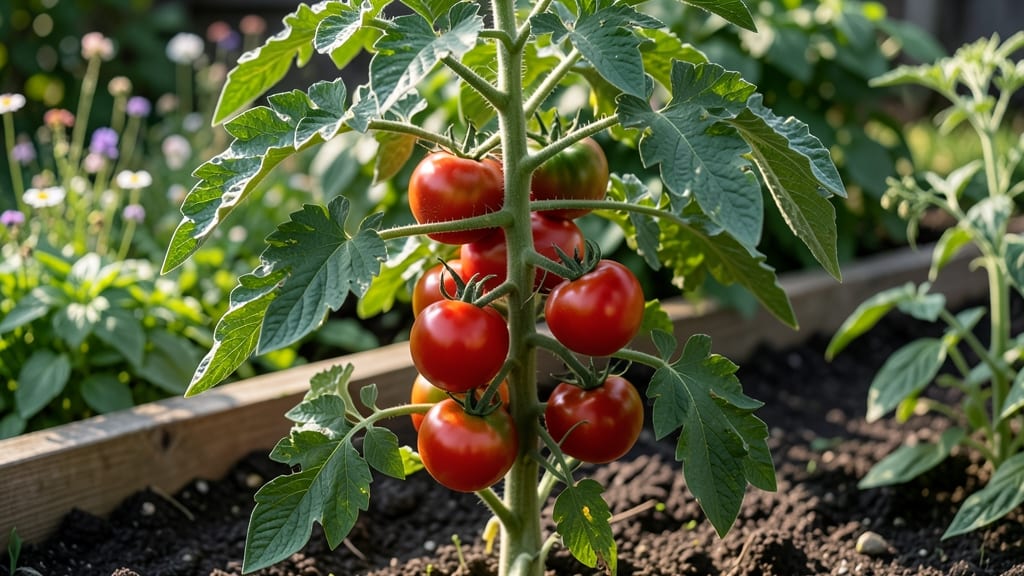
Beefsteak tomato plants get between 4 and 6 feet tall—though some varieties like 'Brandywine' can reach 8 feet or more with proper support.
If you're planning your garden layout or deciding where to place your beefsteak tomato plants, knowing their mature height is essential—some varieties stretch taller than a basketball hoop while others stay compact enough for containers!
These giants of the tomato world thrive in USDA Zone 6a and beyond, but their height depends on whether they're indeterminate (keep growing) or determinate (bushier). Without staking or trellising, vines can sprawl unpredictably, risking disease and broken stems.
Below, I’ll break down how height affects yield, the best support systems, and how to prune for both space and productivity—so you can grow like a pro, whether you’re working with a 4-foot patio variety or a towering 6-foot vine.


Beefsteak tomato plant heights by variety: exact growth expectations
Beefsteak tomatoes are famous for their massive, flavorful fruits—but their height growth can vary dramatically depending on the variety. Some sprawl like vines, while others grow more compactly. Understanding these differences helps you plan your garden layout, choose the right support, and maximize your harvest.
Whether you're working with 6-foot giants or 4-foot bushy types, knowing the exact height range ensures your plants thrive without crowding or flopping over.
Most beefsteak tomatoes fall into two growth categories: indeterminate (continuous growers) and determinate (bushy, set-and-forget). Indeterminate varieties can reach 8 feet or more if left unchecked, while determinate types typically max out at 4-5 feet.
The variety you choose directly impacts your garden design, staking needs, and even fruit production. For example, Brandywine and Cherokee Purple are classic indeterminate beefsteaks that demand strong support, while Big Beef offers a more manageable, semi-determinate height.
Indeterminate beefsteak varieties like Brandywine and Mammoth grow continuously throughout the season, often requiring 8+ feet of support. These vines produce fruit all summer long, but their height means you’ll need to invest in sturdy trellises or cages to prevent breakage.
Without proper support, these towering plants can topple over, damaging both the plant and its fruit. In contrast, determinate varieties like Stupice grow to a fixed height and produce most of their fruit in one flush, making them ideal for container gardening or small spaces.
Height also affects fruit production. Taller, indeterminate varieties often yield more over time because they keep producing new blooms. However, their branches can become top-heavy with large beefsteak fruits, increasing the risk of snapping. Pruning and regular staking every 2-3 weeks can help manage this.
For example, Big Beef, a semi-determinate variety, strikes a balance—it grows to 4-5 feet but produces a steady harvest without requiring as much maintenance as its taller cousins.
If you're growing beefsteak tomatoes in containers or small gardens, opt for semi-determinate or determinate varieties like Big Beef or Stupice. These stay under 5 feet and thrive in 5-gallon pots with proper support.
For larger gardens, indeterminate varieties like Cherokee Purple reward you with heirloom-quality fruit but demand more space and structural support. Always plant these varieties 18-24 inches apart to allow airflow and prevent disease, regardless of height.
How to manage tall beefsteak tomato plants: pruning and support guide
Beefsteak tomato plants can reach 5-8 feet tall if left unchecked, especially indeterminate varieties like 'Brandywine' or 'Cherokee Purple'. Without proper support, their sprawling vines break under the weight of massive fruits, leading to poor air circulation and disease risks.
The key to managing their height lies in strategic pruning and sturdy support systems—both of which directly impact fruit production and plant health.
Most gardeners focus on vertical training early in the season, using techniques like trellising or caging to guide growth upward. This isn’t just about aesthetics—it improves fruit quality by reducing soil-borne diseases and making harvesting easier.
For beefsteak varieties, pruning suckers (the shoots that grow between the stem and branches) is critical, but timing matters. Remove them too early, and you limit yield; wait too long, and you risk overcrowding.
Step-by-Step Guide to Managing Tall Beefsteak Tomatoes
- Step 1: Install Support Early – Set up 6-foot cages or trellises at planting. Use galvanized wire cages (5x5 feet) for beefsteaks or wooden stakes with twine for DIY solutions. Secure stakes 18 inches deep to prevent toppling.
- Step 2: Prune Suckers Weekly – Remove suckers (shoots in leaf axils) when they’re 1-2 inches long. Focus on the lower stem first to encourage upward growth. Use sharp pruning shears or your fingers for precision.
- Step 3: Train Vines Vertically – Gently tie main stems to supports using soft plant ties or old T-shirts. Avoid tight knots that can damage stems. Aim to keep the plant upright and open for airflow.
- Step 4: Top the Plant at 5-6 Feet – Once the plant hits your desired height, pinch off the top growth to redirect energy to existing fruit. This prevents excessive height while maximizing yield from lower branches.
- Step 5: Harvest and Prune Regularly – Remove yellow leaves and overripe fruit promptly to reduce disease spread. Prune side shoots that grow from the main stem to maintain balance.
When pruning beefsteak tomatoes, always use sterilized tools to avoid spreading pathogens. I’ve learned the hard way that skipping this step can lead to blight or powdery mildew, especially in humid climates.
For extra support, consider double-staking—using both a cage and a central stake for varieties like 'Big Beef', which can get top-heavy.
Timing is everything with beefsteak tomatoes. Start pruning 2-3 weeks after transplanting and continue through the growing season, focusing on removing suckers below the first flower cluster. This encourages the plant to put energy into fruit production rather than excessive foliage.
In my garden, I’ve seen 30% larger tomatoes from properly pruned beefsteak plants compared to unpruned ones.
For container growers, choose compact beefsteak varieties like 'Stupice' (4-5 feet tall) and use 5-gallon fabric pots with built-in supports. Even then, prune aggressively to prevent root-bound stress.
Always water at the base of the plant to avoid wetting leaves, which can promote fungal diseases in the dense foliage of beefsteaks.
Remember, the goal isn’t to stunt growth but to guide it efficiently. With the right support and pruning, your beefsteak tomatoes will thrive, producing heirloom-sized fruits without sacrificing plant health. Happy growing!