
Pests and Diseases
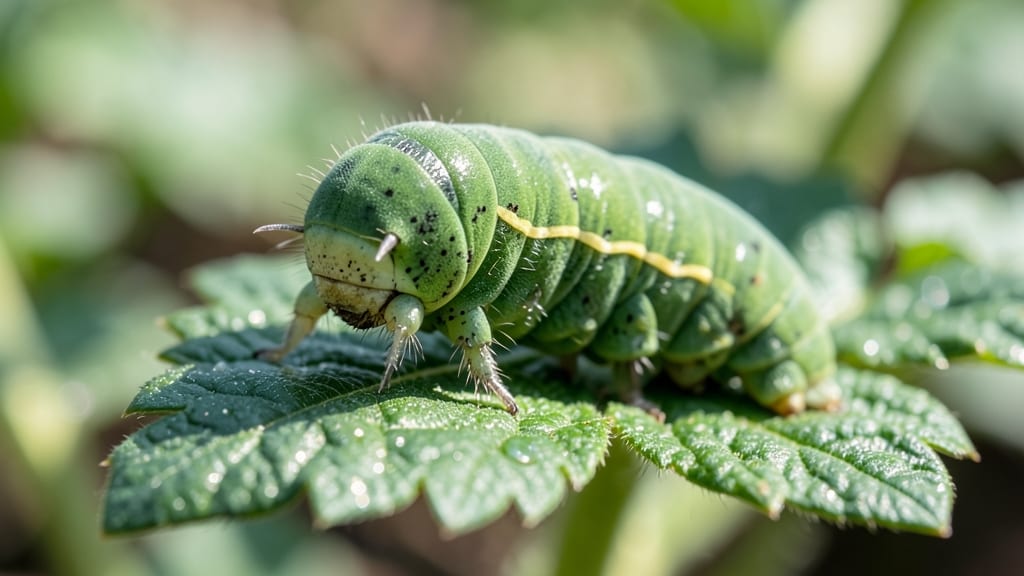
That green caterpillar devouring your tomato leaves isn't just a nuisance—it's a hornworm, and if left unchecked, it'll strip your plants bare in days. 🌱 I've seen firsthand how these striped bandits can turn a thriving tomato plant into a skeleton in less than a week, but there's a way to remove them without harming your garden's balance.
The key is acting fast and using methods that keep your ecosystem intact. Handpicking works surprisingly well, especially in the early morning when they're sluggish. For larger infestations, neem oil or Bacillus thuringiensis (Bt) sprays target only the caterpillars while protecting beneficial insects.
What you'll end up with is a tomato plant that recovers its lush green leaves and continues producing fruit—no chemical residues, no harm to pollinators. The secret is consistency: check plants daily during warm months and remove any new eggs or caterpillars immediately.
This approach works for backyard gardens, containers, and even raised beds. The best part? Your garden's natural predators will return stronger after the hornworm threat is gone, creating a more resilient ecosystem over time.
Root Causes Of Leaf Munchers
Finding a green caterpillar feasting on your tomato plant isn’t just a surprise—it’s often the result of specific environmental or ecological triggers. Understanding these causes helps you act faster and prevent future infestations. Here’s why these pests show up when they do:
Tomato plants thrive in spacious conditions, but when they’re planted too closely—or when neighboring plants (like basil or peppers) are packed tightly—caterpillars find a buffet. Dense foliage creates:
- Shady microclimates: Moist, cool spots under thick leaves become ideal hiding spots for eggs and young larvae.
- Reduced airflow: Stagnant air traps humidity, speeding up egg hatching and larval growth.
- More food sources: A crowded garden means more leaves, stems, and fruit for caterpillars to devour.
💡 Pro Tip: Space tomato plants 18–24 inches apart and prune lower leaves to improve airflow. If you’re growing in containers, ensure each plant has its own pot to avoid sharing pests.
Tomatoes planted after mid-spring (or in warm climates, after the first heatwave) are prime targets for caterpillars because:
- New growth is tender: Young leaves and stems are easier to chew than mature, tougher foliage.
- Delayed maturity = more vulnerability: Plants take longer to develop natural defenses (like thicker leaves or bitter compounds).
- Overlapping generations: If your garden already has established caterpillar populations (from earlier plantings), late tomatoes become a secondary food source.
Actionable Fix: Use row covers for the first 4–6 weeks after planting to block adult moths (the caterpillars’ parents) from laying eggs. Remove covers once flowers appear to allow pollination.
Caterpillars don’t just appear—their parents, moths, are drawn to your garden by specific cues. The most common triggers include:
| Signal | Why Moths Respond | How to Disrupt It |
|---|---|---|
| 🌙 Nighttime UV Light | Moths navigate using the moon’s light. Artificial lights (especially blue or white) confuse them, making them circle and land in gardens. | Switch to warm yellow or red LED bulbs near your garden or install motion-activated lights that turn off after 10 minutes. |
| 🍅 Tomato Plant Volatiles | Damaged tomato leaves release chemical compounds (like green leaf volatiles) that moths detect from up to 1 mile away. | Remove fallen or chewed leaves immediately and avoid over-fertilizing with nitrogen, which can make plants more attractive. |
| 🌿 Nearby Weeds & Host Plants | Moths often lay eggs on wild mustards, dill, or parsley before moving to tomatoes. These act as "scouting grounds." | Pull weeds regularly and plant traps like nasturtiums (which caterpillars prefer over tomatoes). |
Caterpillars are cold-blooded, meaning their growth rate depends entirely on temperature. Here’s how weather plays a role:
- 60–85°F (15–30°C) = Caterpillar Paradise: This range is perfect for egg hatching and rapid feeding. Larvae can grow from egg to pupa in as little as 2 weeks.
- Rainfall >1 inch/week: Moist soil helps eggs stick to leaves, and damp foliage provides a high-survival rate for newly hatched caterpillars.
- Sudden heatwaves: Stress weakens tomato plants, making them less resistant to chewing and more likely to attract hungry moths.
🌡️ Climate Hack: Use mulch (like straw or grass clippings) to regulate soil temperature and reduce evaporation. Avoid overhead watering in the evening to keep leaves dry.
In a balanced ecosystem, caterpillars face predators like birds, parasitic wasps, and ladybugs. But if your garden lacks these helpers, populations explode. Common reasons include:
- Pesticide use: Even organic sprays can kill beneficial insects. For example, neem oil harms caterpillars but also parasitic wasps that lay eggs inside them.
- Monoculture planting: Growing only tomatoes (or other nightshades) removes habitat diversity, making it harder for predators to find alternative prey.
- Urban/suburban gardens: Fewer perches for birds (like fence posts or trees) reduce their hunting efficiency.
Solution: Plant companion flowers (like marigolds or alyssum) to attract predatory insects. Install a bird feeder or bath near your garden to encourage avian pest control.
Quick Fixes for Caterpillar Infestations
If you’ve spotted a green caterpillar munching on your tomato plant, don’t panic—there are plenty of effective, organic solutions to remove them while keeping your plants thriving. Below, we’ve mapped out practical fixes based on the most common causes, from manual removal to natural deterrents.
If you’ve identified the culprit (likely a tomato hornworm or loopers), the fastest way to stop the damage is to remove them by hand.
👨🍳 Step-by-Step Removal
- Pick the right time – Early morning or late evening when caterpillars are less active.
- Wear gloves (optional but helpful if you’re squeamish).
- Gently grasp the caterpillar near its head (avoid touching fuzzy hairs if it’s a hornworm—they can irritate skin).
- Drop it in soapy water (a bowl of dish soap + water will kill it instantly).
- Check nearby leaves – These pests often travel in groups!
✨ Pro Tip: If the caterpillar is too large or well-hidden, use tweezers for precision.
Prevent future infestations with non-toxic repellents that caterpillars hate.
🌿 Best Organic Repellents
| Method | How to Use | Effectiveness |
|---|---|---|
| Neem Oil Spray | Mix 1 tsp neem oil + 1 tsp mild soap in 1 quart water. Spray on leaves. | ⭐⭐⭐⭐ |
| Garlic Spray | Blend 4 garlic cloves + 1 quart water, strain, and spray. | ⭐⭐⭐ |
| Crushed Chili Peppers | Mix 1 tbsp cayenne + 1 quart water, spray on leaves. | ⭐⭐⭐ (short-term) |
| Diatomaceous Earth | Sprinkle food-grade DE around the base of the plant (reapply after rain). | ⭐⭐⭐⭐ |
💡 Pro Tip: Reapply sprays every 5-7 days or after rain to maintain protection.
Instead of chemicals, encourage beneficial predators that eat caterpillars naturally.
🦋 Best Caterpillar Predators
- Parasitic Wasps (like Cotesia congregata) – Lay eggs inside hornworms; the larvae kill them.
- Ladybugs & Lacewings – Devour small caterpillars and eggs.
- Birds – Attract them with birdhouses or wind chimes.
🔥 How to Attract Them:
- Plant dill, fennel, or marigolds near tomatoes (they attract beneficial insects).
- Avoid broad-spectrum pesticides—they kill helpful bugs too!
The best defense is a strong, healthy tomato plant that pests avoid.
🌱 Long-Term Protection Strategies
- Rotate crops – Don’t plant tomatoes in the same spot yearly.
- Use row covers – Lightweight fabric keeps caterpillars out while allowing pollination.
- Plant companion plants – Basil, onions, or garlic deter pests naturally.
- Keep the garden clean – Remove fallen leaves where eggs may hide.
🎯 Final Tip: Inspect plants weekly—early detection means less damage!
By combining manual removal, natural sprays, and biological controls, you can eliminate caterpillars without harming your tomatoes—or your conscience! 🌱🍅
Frequently asked questions
What exactly is that green caterpillar eating my tomato leaves?
That striped green caterpillar is most likely a tomato hornworm, the larval stage of the sphinx moth. They can grow up to 4 inches long and have distinctive white diagonal stripes. These voracious eaters will skeletonize leaves overnight, leaving only the veins behind.
Are these caterpillars harmful to my tomato plant's health?
Yes, they can be devastating if left unchecked. While a single caterpillar won't kill a mature plant, multiple larvae can strip all foliage in 2-3 days. The real danger comes when they chew through blossoms and fruit, reducing your harvest. Severe infestations also stress plants, making them vulnerable to disease.
How do I tell if the caterpillars have already damaged my tomatoes?
Look for these signs: Holes in leaves, chewed blossoms, and black droppings on leaves or soil. Check the undersides of leaves too—caterpillars often hide there during the day. If you see small black eggs on stems, that means new caterpillars will hatch soon.
Will removing the caterpillars help my plant recover?
Tomato plants are remarkably resilient. Once you remove the caterpillars, new leaves will regrow within 1-2 weeks. Focus on keeping the plant healthy by watering at the base (not leaves) and providing balanced fertilizer. The sooner you act, the better your plant's chances of full recovery.
Can I use soap spray on my tomato plants without harming them?
Yes, but carefully! Mix 1 tablespoon mild castile soap with 1 quart water and spray directly on caterpillars. Avoid spraying flowers during bloom time to protect pollinators. Test on a small leaf first—some tomato varieties are sensitive to soap residues. Reapply every 3-5 days for best results.