
Planting
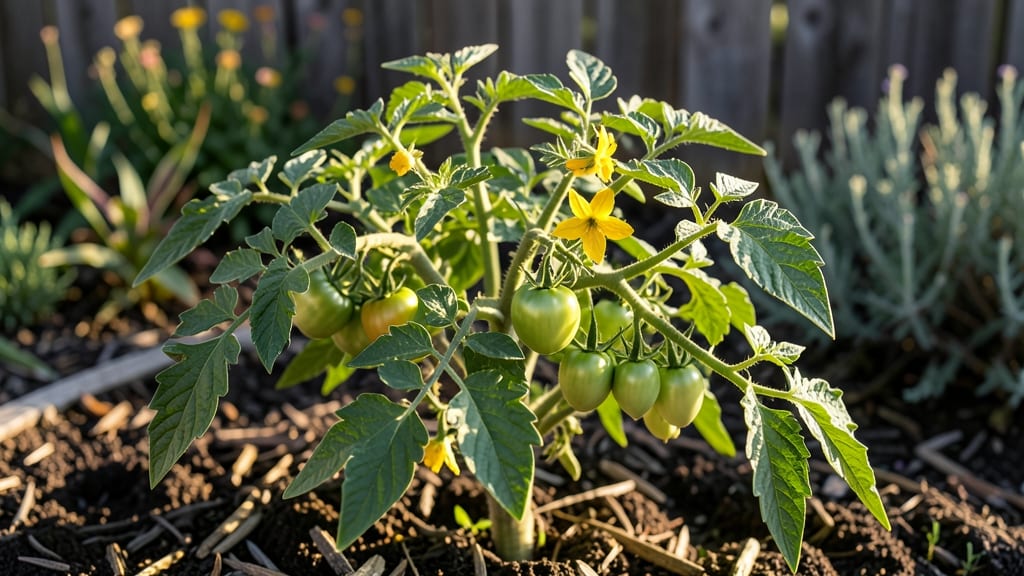
Grape tomato plants turn a corner of your garden into a cascading fruit factory—each vine heavy with clusters of sweet, bite-sized tomatoes that taste like summer in every bite. 🌱 I’ve grown them for years, and the difference between a floppy, fruitless vine and a thriving, productive plant comes down to two things: sturdy support and consistent care.
The right setup transforms these sprawlers into vertical powerhouses that yield pounds of fruit in just a few months.
Start with rich, well-draining soil and a strong trellis or cage—these vines need support from day one, or they’ll collapse under the weight of their own harvest. Plant in full sun (at least 6-8 hours daily) and water deeply but infrequently to encourage deep roots.
The key is balance: too much water dilutes flavor, but too little stresses the plant when fruit sets. Prune regularly to open airflow, which keeps diseases at bay and directs energy to those sweet clusters.
By midsummer, your vines will be bursting with fruit, and the flavor? Unmatched. These tomatoes stay firm on the vine longer than slicers, so you can harvest as they ripen—no need to pick all at once.
The best part? One healthy plant feeds a family for weeks. With the right setup, you’ll go from seedling to salad bowl in just 60-70 days, and the vines keep producing until frost.
Works in containers, raised beds, or in-ground—just adjust support size. If you’ve ever struggled with floppy tomato plants, this is your game-changer. Let’s get those vines climbing!
📚 In This Guide
- What you need
- Instructions
- Tips and common mistakes
- Wrapping up and next steps
What you need
- ● Grape tomato seeds or seedlings: Choose disease-resistant varieties like ‘Sweet Million,’ ‘Black Cherry,’ or ‘Tiny Tim’ (6–12 plants per 100 sq. ft. for a bountiful harvest).
- ● Containers or garden bed: Containers: 5-gallon pots or larger (1 plant per container for better airflow).
- ● Garden bed: Well-draining soil with at least 12–18 inches of depth.
- ● Potting mix or garden soil: Lightweight, nutrient-rich mix (add compost for organic fertility).
- ● Tomato cages or trellis system: Sturdy 6–8 ft. cages or a strong trellis (grape tomatoes need support—they can get heavy!).
- ● Fertilizer: Balanced 10-10-10 or organic options like compost tea or worm castings.
- ● Mulch: Straw or shredded leaves to retain moisture and suppress weeds.
- ● Garden trowel or shovel (for planting).
- ● Pruning shears (to trim suckers and encourage fruit production).
- ● Watering can or hose with a gentle nozzle (consistent moisture is key!).
- ● Plant ties or soft twine (to secure vines to supports).
- ○ Row cover or shade cloth (optional, for early-season protection from pests or heat).
- ○ pH test kit (optional, to ensure soil pH is 6.0–6.8 for optimal growth).
Step-by-Step instructions for growing grape tomatoes on towering vines
Here's how to keep those cascading clusters of sweet tomatoes thriving all season long.
🌱 Step 1: Choose the Right Tower and Plant Your Seedlings
Select a sturdy 5-6 foot tall tomato tower with wide, stable legs for your four grape tomato plants. These vines need vertical support to handle their heavy fruit loads without toppling. Fill the tower's base with 12-15 gallons of potting mix, leaving 3-4 inches of space at the top for watering.
Dig four planting holes spaced 12 inches apart in a circular pattern around the tower's center. Place each seedling gently into its hole, ensuring the soil line sits 1 inch below the tower's rim level—this prevents water from pooling at the base. Firm the soil around the roots and water immediately to eliminate air pockets.
☀️ Step 2: Position for Maximum Sunlight and Water Consistently
Place your tower in a location that receives 6-8 hours of direct sunlight daily. Grape tomatoes ripen best when exposed to full sun, so avoid placing near large trees or buildings that cast shade. You'll notice the vines grow most vigorously when leaves are a rich, deep green—not pale or yellowing.
Water deeply 2-3 times per week, aiming for 1-2 gallons per watering. Check soil moisture by sticking your finger 2 inches deep—if it feels dry, it's time to water. The tower's design helps retain moisture, but consistent watering prevents blossom-end rot and keeps fruit sweet. Always water at the base, not the leaves, to avoid fungal diseases.
🪴 Step 4: Train Vines and Prune for Heavy Fruit Production
As vines grow, gently weave them through the tower's vertical slats or ties, encouraging upward and outward growth. Prune suckers—those small shoots that grow in the leaf axils—when they're 2-3 inches long. Removing suckers redirects the plant's energy to fruit production rather than leaf growth. Aim to leave 2-3 main stems per plant for optimal air circulation.
When vines reach the top of the tower, pinch off the newest growth to encourage fruit ripening on existing clusters. You'll see the remaining flowers develop into plump, grape-sized tomatoes within 4-6 weeks. Avoid over-pruning—leave enough leaves to photosynthesize and support the heavy fruit load.
✂️ Step 5: Harvest and Support as Fruit Loads Increase
Harvest grape tomatoes when they turn a deep, vibrant color—usually red, yellow, or purple, depending on the variety. Pick fruit when fully ripe to prevent cracking and encourage more production. Use a small pair of pruning shears to snip clusters cleanly, leaving the stem attached. This prevents damage to the vine and makes harvesting easier.
As fruit clusters grow heavier, check the tower's stability daily. If the tower leans or wobbles, secure it to a fence or stake with soft plant ties. You'll know the support is working when vines cascade evenly and fruit hangs at eye level for easy picking. Continue pruning and watering consistently until your first frost.
Tips & tricks for perfect grape tomato tower gardens
Your towering vines will thank you for these simple secrets to bigger, sweeter harvests.
Tower Stability is Everything: I learned this the hard way after watching my first tower topple under a heavy fruit load. After planting, immediately secure your 5-6 foot tower to a sturdy fence or stake using soft plant ties—even before the vines get heavy. The goal is to prevent any leaning that could stress the plants. For extra insurance, bury the legs 6 inches deep in the soil to create a wider base. This simple step prevents the entire structure from becoming a tipping hazard once those grape-sized tomatoes start multiplying.
Soil Moisture Secret: The 2-inch deep moisture check mentioned in Step 2 is your best friend, but here's what nobody tells you—morning is the perfect time to water. Watering in the early morning (before 9 AM) gives the leaves plenty of time to dry completely, which dramatically reduces fungal diseases like early blight. I've seen plants stay healthier for weeks just by shifting my watering schedule. And if you're using the 12-15 gallons of potting mix, consider mixing in a handful of composted cow manure at planting time—it gives the plants a slow-release nutrient boost without burning the roots.
Pruning Made Easy: When it comes to those 2-3 inch suckers in Step 4, I've found a quick trick that saves time: use clean, sharp scissors instead of your fingers. Pinching suckers with your hands can actually damage the main stem and introduce bacteria. Also, focus your pruning on the lower third of the plant first—this opens up airflow to prevent diseases while keeping the upper growth vigorous. The 2-3 main stems recommendation is perfect, but if you're growing in a particularly windy area, you might want to reduce to just 1-2 main stems per plant for extra stability.
Harvesting Hack: Those pruning shears mentioned in Step 5 are worth every penny, but here's my pro move: harvest every other day during peak production. The constant removal of ripe fruit actually signals the plant to produce more flowers and fruit. And when you're checking for that deep vibrant color, look for the slight give when you gently squeeze the tomato—this is your cue that it's perfectly ripe. I've found that harvesting at this stage gives me tomatoes that are sweeter and last longer in storage.
Pro Tips for Grape Tomato Plant
- Your towering vines will thank you for these simple secrets to bigger, sweeter harvests.
- Tower Stability is Everything: I learned this the hard way after watching my first tower topple under a heavy fruit load.
- Soil Moisture Secret: The 2-inch deep moisture check mentioned in Step 2 is your best friend, but here's what nobody tells you—morning is the perfect time to water.
Frequently asked questions
Got questions about growing grape tomato plants?
Here are answers to the most common ones—from planting to harvest—so you can grow like a pro!
How long does it take for grape tomato plants to produce fruit?
Grape tomatoes typically take 60–80 days from transplanting to produce fruit, depending on your climate and variety. Start seeds indoors 6–8 weeks before the last frost, or buy starter plants for a head start. Patience pays off—once they fruit, they’ll keep producing until frost!
Can grape tomato plants survive winter?
No, grape tomatoes are annuals and won’t survive winter in most climates. In USDA Zones 8–10, they may overwinter with heavy mulch, but most gardeners replant each spring. Save seeds or cuttings if you’re ambitious!
What’s the best way to support grape tomato vines?
Use a trellis, cage, or sturdy stakes (6+ feet tall) to support their heavy vines. Weave vines through trellis slats or tie them to stakes with soft plant ties every 12 inches. Pro tip: Prune suckers (side shoots) to direct energy to fruit!
Why are my grape tomato leaves turning yellow?
Yellow leaves often signal overwatering, nutrient deficiency (like nitrogen), or pests (e.g., aphids). Check soil moisture—grape tomatoes prefer well-draining soil. Test leaves for pests and fertilize with a balanced 10-10-10 mix if needed.
Can I grow grape tomatoes in containers?
Choose a 5-gallon+ pot with drainage holes and fill it with potting mix. Place in full sun (6+ hours daily) and use a trellis or tomato cage. Dwarf varieties like ‘Tiny Tim’ thrive in containers—perfect for balconies or small spaces!
Wrapping up and next steps
Growing grape tomato plants is a rewarding journey that brings vibrant flavor and beauty to your garden! 🌱 With the right support structure, nutrients, and a little patience, you’ll enjoy a bountiful harvest of sweet, bite-sized tomatoes.
Whether you’re a seasoned gardener or just starting out, these towering vines are a fantastic addition to any space.
Ready to take the next step? Start by gathering your supplies, choose the perfect spot, and watch your grape tomato plants thrive. Happy planting—and enjoy the delicious results! 🍅✨