
Companion Plants
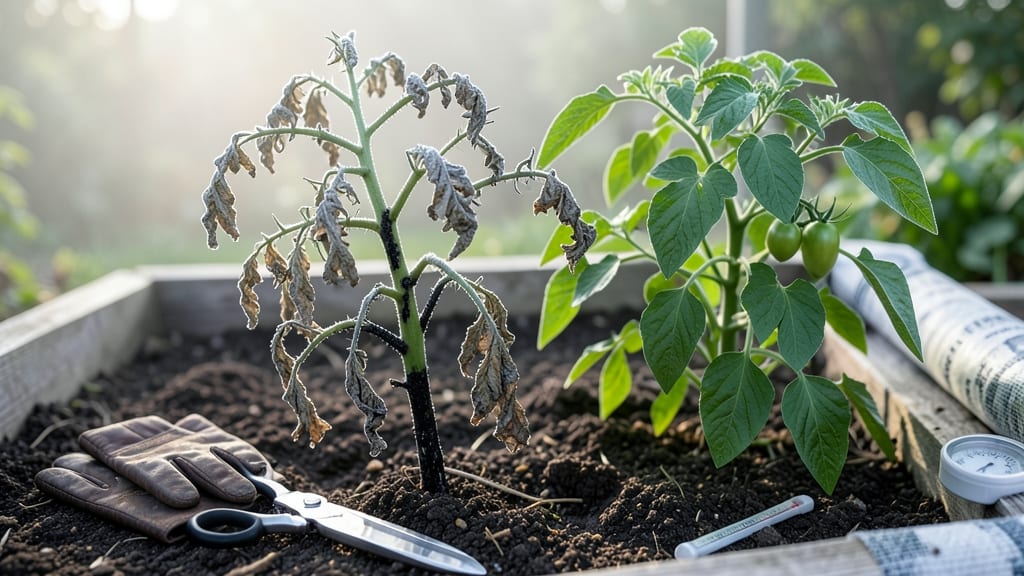
Your tomato plants might still have a chance after frost—even if they look like they’ve given up. 🌱 The key is acting fast: prune the damaged parts, protect what’s left, and give them a fighting chance to bounce back.
I’ve revived plants that looked completely dead just by following these three steps, and you can too. First, check for life: snap a stem—if it’s still green inside, the plant’s alive. Blackened leaves and wilted vines are common, but don’t assume it’s over.
Mulch heavily around the base to insulate roots, and water deeply (but not soggy) to help recovery. The goal is to keep the plant stressed but not drowning. Within days, you’ll see new growth pushing through, and those remaining buds might even set fruit.
My plants produced a solid harvest after a late spring frost, proving that sometimes all it takes is a little patience and the right care. The sooner you act, the better the comeback. For next year, plant heat-loving varieties later or use row covers to shield them early.
A little prevention goes a long way—especially in unpredictable climates where frost sneaks up unexpectedly.
When Cold Harms Tomato Growth
Frost-damaged tomato plants don’t just happen by chance—they’re the result of specific environmental triggers that disrupt the delicate balance of your plants’ survival mechanisms. Understanding these causes is the first step to preventing future damage and reviving your tomatoes. Here’s why frost turns vibrant vines into sad, wilted relics:
Tomatoes (Solanum lycopersicum) are tender perennials, meaning they thrive in warm climates but can’t survive prolonged exposure to freezing temperatures. While young seedlings can tolerate brief dips to 32°F (0°C), mature plants suffer damage when temperatures drop below:
- 28°F (-2°C): Cell walls rupture as ice crystals form inside plant tissues, causing cytoplasmic leakage (when cell contents spill out).
- 25°F (-4°C): Protein denaturation occurs—enzymes and structural proteins lose their shape, halting photosynthesis and respiration.
- 20°F (-7°C) or lower: Complete tissue death, as lipid membranes in cell walls solidify and burst.
Key trigger: A hard frost (when temps stay below freezing for 4+ hours) is far more destructive than a light freeze (a brief dip to 32°F). Even if plants look fine after a frost, internal damage may take days to show as wilting or blackened stems.
Wind doesn’t just make cold feel worse—it actively accelerates frost damage by:
- Removing protective boundary layers: A still, calm night allows a microclimate of warm air near the soil to insulate plants. Wind strips this away, exposing tomatoes to colder air.
- Increasing evaporative cooling: As water evaporates from leaves faster, the plant loses heat 10x faster than in calm conditions (a process called adiabatic cooling).
- Drying out soil: Windy conditions dehydrate soil, reducing its ability to moderate temperature swings—like a sponge that can’t hold moisture to buffer heat.
Actionable insight: If your garden is windy, mulching heavily (with straw or leaves) and using windbreaks (like tall corn or bamboo screens) can raise survival temps by 5–10°F.
Water plays a double-edged role in frost damage:
- Too much moisture: Wet leaves act as heat sinks, absorbing and radiating cold faster. Frost forms on surfaces, creating ice encasements that block oxygen and sunlight.
- Too little moisture: Drought-stressed plants have lower cellular turgor pressure (flaccid cells), making them more vulnerable to ice crystal formation.
- Frozen soil: Roots can’t absorb water or nutrients when soil is icy, leading to hydraulic failure—when xylem vessels (water conduits) rupture from expanding ice.
Pro tip: Avoid watering tomatoes 24–48 hours before a frost forecast. Instead, use drip irrigation (not overhead) to keep soil moist without wetting foliage.
Tomatoes aren’t frost-resistant at any stage, but certain growth phases make them especially vulnerable:
| Stage | Why It’s Risky | Critical Temp Threshold |
|---|---|---|
| Seedlings (0–4 weeks) | Delicate roots and stems lack lignification (wood-like strength). Ice crystals shatter cells easily. | 35°F (2°C) (even brief exposure) |
| Flowering (4–8 weeks) | Flowers and fruit are non-woody—ice disrupts pollen tubes and ovary development, leading to blossom drop. | 30°F (-1°C) for mature plants |
| Fruiting (8+ weeks) | Mature plants can tolerate slightly lower temps, but green fruit (unripe) is more prone to chilling injury (discolored, mealy texture). | 28°F (-2°C) for green fruit |
Garden hack: If you’re in a short-season climate, opt for early-maturing varieties (like ‘Early Girl’ or ‘Stupice’) to avoid late-spring/early-fall frosts.
By recognizing these specific triggers, you can proactively shield your tomatoes—whether through timing, mulching, or strategic watering. Next, we’ll cover how to diagnose frost damage before it’s too late.
Revive and Protect Your Tomatoes
Frost can turn your thriving tomato plants into sad, wilted relics—but don’t give up just yet! With the right steps, you can nurse them back to health and even prevent future frost damage.
Below, we’ll break down practical fixes based on the root cause of the damage, plus easy prevention tips to keep your garden resilient.
Before jumping into fixes, inspect your plants carefully. Frost damage often shows up as:
- Blackened or mushy leaves (severe damage)
- Yellowing or curled foliage (mild damage)
- Soft, squishy stems (waterlogged or frozen)
What to do:
- ✂️ Prune dead or dying leaves – Use clean scissors to snip away blackened or mushy leaves. This helps the plant redirect energy to healthy growth.
- 🌿 Focus on the main stem – If the central stem is still firm, it can recover. If it’s mushy, the plant may not survive, but you can still try saving it.
- 🚫 Avoid over-pruning – Don’t remove more than ⅓ of the plant at once, or you’ll stress it further.
Cold soil can stunt recovery, so revitalize the roots with these quick fixes:
🔥 For Light Frost Damage (Leaves Wilted but Stem Firm)
- 🌡️ Cover with row fabric or a cloche – Trap heat during the day and insulate at night.
Remove it when temps rise above 50°F (10°C). - ☀️ Move pots indoors (if potted) – Place them near a sunny window or under grow lights for a few days. - 💧 Water at the base (not leaves) – Use lukewarm water to avoid shocking the plant further.
Keep soil moist but not soggy.
❄️ For Severe Damage (Mushy Stems or Blackened Vines)
- 🌿 Try a "root dip" in warm water – Submerge the base of the plant (not the foliage) in a bucket of 80°F (27°C) water for 10–15 minutes.
This can jumpstart root activity. - 🌱 Propagate healthy cuttings – If the main stem is beyond saving, cut 6-inch healthy stem segments just below a leaf node.
Root them in water or moist soil under a plastic bag to encourage regrowth. - 🍅 Save the roots for next season – If the plant is completely dead but the roots are still intact, mulch heavily and wait. New shoots may emerge from the base in spring!
Prevention is your best defense! Here’s how to protect your tomatoes before frost strikes again:
🌡️ Harden Your Plants for Cold
- 🌿 Gradually acclimate – If you’re in a USDA Zone 8–10, start hardening off your plants in late summer by exposing them to cooler nights (down to 55°F/13°C) for a week before the first frost warning.
- 🌱 Choose cold-tolerant varieties – Next season, opt for ‘Siberian’ or ‘Stupice’ tomatoes, which can handle 28–32°F (-2 to 0°C) for short periods.
🏡 Extend the Growing Season
- 📅 Start indoors earlier – Give seedlings a 4–6 week head start indoors so they’re larger and more resilient by frost season.
- 🔥 Use cold frames or hoop houses – These raise soil temps by 5–10°F (3–6°C) and can keep plants alive through light frosts.
- 🌡️ Install a frost cloth tunnel – Drape frost fabric over a wire hoop to create a mini greenhouse for sensitive plants.
🌿 Companion Plants for Protection
- 🌱 Plant near basil, marigolds, or nasturtiums – These repel pests that stress plants and improve soil warmth with their dense foliage.
- 🍃 Avoid tall, shade-casting plants – Keep tomatoes away from corn or sunflowers, which can block sunlight and slow recovery.
- Mild frost? – 3–7 days of care (pruning + warmth) can see new growth. - Severe frost? – 2–4 weeks (if roots are alive).
If no improvement, consider replanting or propagating cuttings. - Prevention? – Start now! Even if your current plants are damaged, next season’s prep begins today.
- 🌡️ Monitor soil temp – Use a soil thermometer to ensure roots stay above 50°F (10°C). - 🍅 Harvest what you can – If frost hits but fruit is still green, pick it!
It’ll ripen indoors (though flavor may be slightly muted). - 🌱 Rotate crops – Avoid planting tomatoes in the same spot yearly to prevent soil-borne diseases that weaken plants. - 🔥 Use black plastic mulch – It absorbs heat during the day and releases it at night, keeping roots warmer.
With these actionable steps, your tomato plants can bounce back—or at least give you a head start on next season’s harvest. 🍅🔥 Don’t let frost be the end of your garden dreams!
Frequently asked questions
How do I know if my tomato plant is actually dead or just badly damaged?
Check the stem just below the soil line—if it’s still firm and green when you snap it, the plant is alive! Blackened leaves and wilted vines are common after frost, but the roots may still be viable. For severe cases, wait 3–5 days to see if new growth emerges from the base.
Can I still save tomatoes that were frost-bitten but are still green?
Harvest any green fruit immediately—they’ll ripen indoors on your counter. Place them stem-side down in a paper bag with a banana (the ethylene gas helps ripening) and check daily. Even frost-damaged tomatoes can yield a small harvest this way.
What’s the fastest way to warm up frozen tomato roots?
Try a root dip in 80°F (27°C) water for 10–15 minutes—this jumpstarts circulation. For potted plants, move them to a sheltered sunny spot or under a grow light. Avoid direct heat sources like space heaters, which can scorch roots.
Will my tomato plants recover if they’ve been underwatered before the frost?
Drought-stressed plants handle frost worse, but they can still recover if the roots are alive. Water deeply at the base (not leaves) with lukewarm water, then mulch heavily to retain moisture. Avoid soggy soil—root rot is just as deadly as frost damage.
Are there any tomato varieties that handle frost better than others?
Yes! ‘Siberian’ and ‘Stupice’ tomatoes tolerate temps down to 28°F (-2°C) for short periods. For next season, also try ‘Mountain Merit’ or ‘Cherokee Purple’—they’re hardier and produce fruit faster, giving them a better chance to mature before frost.