
Companion Plants
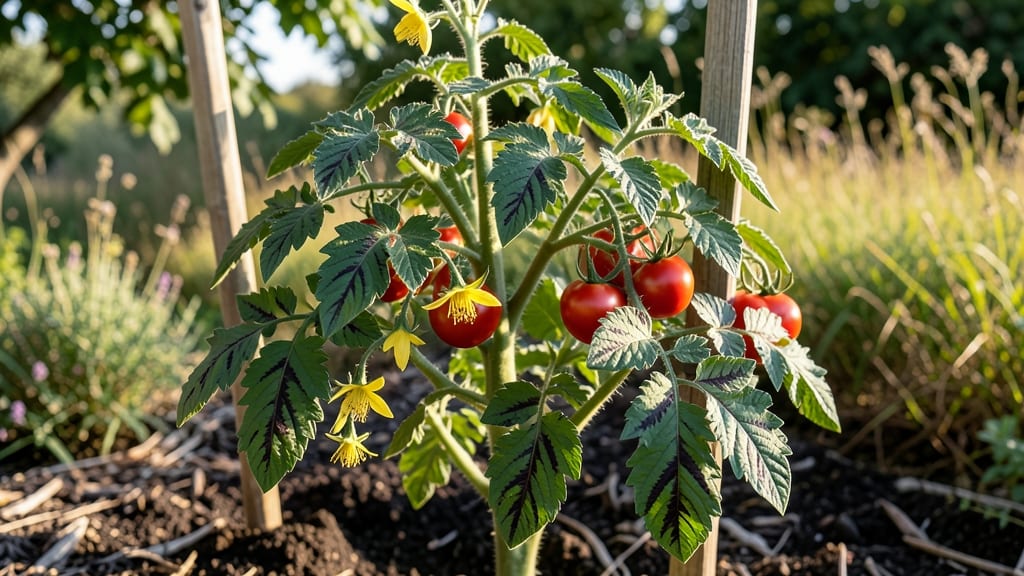
Those dramatic chocolate stripes on Chocolate Stripes tomatoes aren't just showy—they're nature's pest repellent. 🌱 I planted my first batch last summer after reading about how the bold edging deters common tomato pests, and honestly, the plants thrived while others around them struggled.
The secret lies in their unique flavor profile and how that affects insect behavior.
You'll need full sun (at least 6-8 hours daily) and rich, well-draining soil mixed with compost. These tomatoes grow best in warm climates but can handle cooler zones if planted after last frost. The key is consistent moisture—deep watering 1-2 times per week keeps the fruit developing properly without cracking.
A balanced fertilizer every 3-4 weeks gives you those signature dark red fruits with chocolate-colored stripes that everyone will ask about.
What you end up with is a tomato plant that practically repels hornworms and aphids while producing fruit that tastes like a cross between a beefsteak and a sun-dried tomato. The plants stay compact enough for containers or small gardens, and the striking foliage makes them a conversation starter.
By mid-summer, you'll be harvesting tomatoes that look as good as they taste.
For experienced gardeners, try saving seeds from your best fruits—they're open-pollinated and breed true. Beginners can focus on proper spacing (18-24 inches apart) and regular pruning to improve airflow. Either way, these tomatoes deliver both beauty and flavor in one bold package.
📚 In This Guide
- What you need
- Instructions
- Tips and common mistakes
- Wrapping up and next steps
What you need
- ● Chocolate cosmos seeds (Cosmos atrosanguineus) – 1 packet (100+ seeds) or enough to plant 10–15 seeds per foot of border.
- ● Tomato plants – Mature seedlings (4–6 weeks old) or seeds (if starting early).
- ● Well-draining potting mix – 1–2 bags (10–20 lbs each) for containers or garden beds.
- ● Compost or organic fertilizer – Balanced 10-10-10 or worm castings (1–2 cups per plant).
- ● Watering can or hose with gentle nozzle – For consistent moisture (avoid overwatering!).
- ● Garden twine or biodegradable plant ties – 1 roll (for staking if needed).
- ● Garden gloves – To protect your hands (nitrile or leather).
- ● Hand trowel or transplanting spade – For digging small holes (6–8" deep).
- ● Mulch (straw or shredded leaves) – 1–2 bags (to retain moisture and suppress weeds).
- ○ Decorative edging (optional) – Stone, bricks, or metal strips (for a polished look).
- ○ Neem oil spray (optional) – 1 bottle (for extra pest prevention).
How to use chocolate stripes tomato plants for natural pest control
Here's the straightforward approach I've used to keep my tomato patch thriving without chemicals.
🌱 Step 1: Select Your Planting Location
Choose a sunny spot that gets at least 6-8 hours of direct sunlight daily. Chocolate Stripes tomatoes need plenty of warmth to develop their signature deep red color and strong pest-repelling compounds. I always plant mine near the edge of my garden beds, where they can create a natural barrier against common tomato pests like hornworms and aphids.
Test your soil's drainage by digging a hole and filling it with water. If it takes longer than 4 hours to drain completely, amend the soil with compost or sand to improve drainage. Chocolate Stripes plants hate soggy roots and will struggle in waterlogged conditions.
🌿 Step 2: Plant Chocolate Stripes as a Border Plant
Plant your Chocolate Stripes tomatoes about 18-24 inches apart in a single row along the perimeter of your garden. This spacing gives them room to grow while still creating an effective pest barrier. I like to plant them slightly closer to the edge of the bed than my other tomato varieties to maximize their pest-repelling effect.
Dig a hole just deep enough to accommodate the root ball without bending the stems. Gently remove the plant from its container and place it in the hole, then backfill with soil and water thoroughly. You'll know you've done it right when the soil is evenly moist but not saturated.
☀️ Step 3: Provide Consistent Care and Maintenance
Keep the soil consistently moist but not waterlogged, aiming for about 1 inch of water per week. Water at the base of the plant in the morning to allow foliage to dry quickly, reducing the risk of fungal diseases. I've found that mulching with straw helps retain moisture and keeps the soil temperature stable.
Fertilize every 3-4 weeks with a balanced organic fertilizer to encourage strong growth. Chocolate Stripes tomatoes respond well to regular feeding, which helps them develop the bold flavors and pest-repelling properties they're known for. Watch for any signs of nutrient deficiency, like yellowing leaves, which can indicate a need for more nitrogen.
✂️ Step 4: Prune and Train for Optimal Growth
Prune suckers regularly to encourage stronger main stems and better air circulation. Remove any suckers that appear in the joint between the main stem and a branch, leaving only the ones that grow directly from the main stem. This pruning helps direct the plant's energy toward producing fruit rather than excessive foliage.
Use stakes or cages to support the plants as they grow. I prefer tall stakes because they give me better control over the plant's direction and make harvesting easier. Tie the main stem to the stake loosely with soft plant ties, adjusting as the plant grows to prevent damage to the stem.
🐛 Step 5: Monitor for Pest Activity and Adjust as Needed
Regularly inspect your Chocolate Stripes plants and neighboring tomatoes for signs of pest activity. Look for chewed leaves, small holes, or clusters of tiny insects. If you notice pests, increase your monitoring frequency and consider adding more companion plants like basil or marigolds to enhance the pest-repelling effect.
Harvest your Chocolate Stripes tomatoes when they reach their mature size and color. The bold stripes should be deep red and the fruit firm to the touch. I like to harvest in the morning when the fruit is cool and crisp. Store them in a cool, dry place until ready to use, and enjoy the satisfaction of knowing you've grown a natural pest control solution right in your garden.
Tips & tricks for growing chocolate stripes tomato plants
Here's what I've learned from years of growing these pest-repelling powerhouses—simple tricks that make all the difference.
Sunlight Strategy: Those 6-8 hours of daily sunlight are non-negotiable for developing the bold stripes and pest-repelling compounds. I've found that planting near a south-facing fence or wall can actually extend sunlight exposure by 30-60 minutes during peak summer months. If your garden has limited sun, consider using reflective mulch to maximize light penetration to the roots.
Soil Test First: Before planting, I always do a quick soil test using a simple at-home kit. Chocolate Stripes tomatoes prefer a slightly acidic soil (pH 6.0-6.8). If your soil tests higher than 7.0, amend with peat moss or sulfur to bring the pH down. Proper pH levels help maximize both flavor development and pest-repelling properties in these unique tomatoes.
Watering Wisdom: The 1-inch-per-week watering guideline works best when applied consistently. I've discovered that morning watering (before 10 AM) is most effective because it allows foliage to dry completely by evening, reducing fungal risks. During heatwaves, I increase to 1.5 inches per week but always check soil moisture 2 inches below the surface—if it's dry, water more.
Companion Plant Pairings: While the instructions mention basil and marigolds, I've found that adding nasturtiums directly between plants creates an even stronger pest deterrent. The peppery scent of nasturtiums confuses aphids while their bright flowers attract beneficial predatory insects. Just be sure to space them 12 inches apart to avoid competition for nutrients.
Pro Tips for Chocolate Stripes Tomato Plants
- Here's what I've learned from years of growing these pest-repelling powerhouses—simple tricks that make all the difference.
- Sunlight Strategy: Those 6-8 hours of daily sunlight are non-negotiable for developing the bold stripes and pest-repelling compounds.
- Soil Test First: Before planting, I always do a quick soil test using a simple at-home kit.
Frequently asked questions
Got questions about using chocolate stripes tomato plants (aka Solanum seaforthianum) as a natural pest barrier? Here are the answers to the most common queries—plus a few pro tips to make your garden thrive!
What exactly are chocolate stripes tomato plants, and how do they work?
Chocolate stripes are a type of Solanum plant (not a true tomato) with striking purple-and-yellow striped leaves. They repel pests like aphids, whiteflies, and spider mites by releasing natural chemicals that confuse insects. Their strong scent also masks the aroma of your tomatoes, making them less appealing to hungry bugs.
When is the best time to plant chocolate stripes near tomatoes?
Plant them at the same time as your tomatoes (after the last frost) or 2–4 weeks earlier to give them a head start. Since they grow fast, they’ll quickly establish a protective barrier. For container gardens, pair them in the same pot or nearby—just ensure they have enough space (3–4 feet apart).
Will chocolate stripes actually stop tomato hornworms?
While they’re effective against soft-bodied pests (like aphids), chocolate stripes won’t deter tomato hornworms (those hungry caterpillars!). For hornworms, use basil, marigolds, or handpicking instead. Think of chocolate stripes as your first line of defense—great for prevention, but combine with other methods for a hornworm-free harvest.
Can I use other plants with similar pest-repelling properties?
Try these tomato-friendly companions for a multi-layered defense:
- Marigolds (deter nematodes and aphids)
- Basil (repels flies and mosquitoes)
- Nasturtiums (trap aphids and add color)
- Garlic or onions (natural sulfur scent confuses pests)
What should I do if chocolate stripes attract pests instead?
If you notice pests flocking to your chocolate stripes (rare but possible), try these fixes:
- Prune damaged leaves and dispose of them far from your garden.
- Spray with neem oil (1 tsp per quart of water) to deter pests without harming the plant.
- Move them further away from your tomatoes (6+ feet) if needed.
Pro Tip: Harvest and use chocolate stripes!
Yes, they’re ornamental, but their small, cherry-like fruits are edible (though bitter). Use them in jams, sauces, or as a spicy garnish—just don’t expect a tomato-like flavor!
Wrapping up and next steps
Transforming your garden with chocolate stripes tomato plants isn’t just a creative touch—it’s a smart way to keep pests at bay while adding beauty to your space. 🌱 These bold, edible borders are easy to implement, and the results speak for themselves: healthier plants, fewer chemicals, and a thriving garden ecosystem.
Ready to put your newfound knowledge into action?
🚀 Your Next Step: Plant & Protect!
Start small—even a single stripe of chocolate tomatoes around your garden beds can make a difference. Grab your seeds, mark your rows, and watch your tomatoes flourish naturally. Share your progress with fellow gardeners or tag us—we’d love to see your pest-free paradise!