
Plants
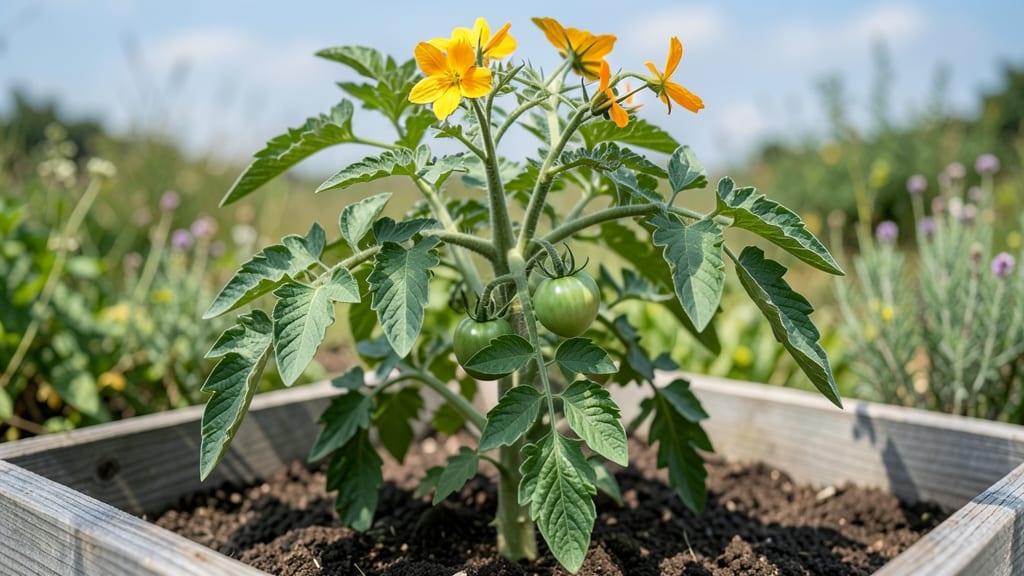
Champion tomato plants produce exceptional yields through careful cultivation—maintaining consistent moisture, full sun exposure, and nutrient-rich soil while using proper pruning and support structures. Varieties like 'Big Beef' and 'Celebrity' deliver large, flavorful fruits with superior heat and disease resistance.
These high-performing varieties aren't just bigger—they're bred for resilience. 🌱 Champion tomato plants often carry genetic traits that make them thrive in challenging conditions, like drought tolerance or resistance to common diseases such as early blight.
The key to unlocking their full potential lies in mimicking their natural growing conditions: well-draining soil, regular watering (especially during flowering), and strategic pruning to direct energy toward fruit production rather than excessive foliage.
I've seen firsthand how proper support systems—like sturdy cages or trellises—can double yield by keeping plants upright and improving air circulation.
What sets these plants apart isn't just their size—it's their ability to convert sunlight and nutrients into flavor-packed fruit efficiently. The 'Big Beef' variety, for example, consistently delivers 12-ounce tomatoes with intense sweetness, while 'Celebrity' plants produce disease-resistant fruit even in humid climates.
For gardeners aiming to maximize harvests, focusing on these specific growing conditions creates the perfect environment for champion tomato plants to shine.
💡 In This Article
- Genetic Traits That Make Champion Tomatoes Stand Out
- Step-by-Step Growing Guide for Maximum Champion Tomato Yields
Genetic traits that make champion tomatoes stand out
Champion tomato varieties owe their dominance to decades of selective breeding focused on three core genetic traits: disease resistance, fruit size, and stress tolerance.
For instance, 'Celebrity' tomatoes carry the Fusarium wilt resistance gene (I-2), which prevents the soil-borne fungus from clogging vascular tissues—something that can cripple conventional varieties within weeks. This genetic modification allows plants to maintain vigorous growth even in hot, humid conditions where fungal spores thrive. 🌿 The result?
Plants that continue producing heavy yields when other varieties might collapse from disease pressure.
Fruit size genetics work through a combination of cell expansion and hormonal regulation.
Champion varieties like 'Big Beef' develop larger cells in their fruit walls due to enhanced auxin production (a plant hormone that promotes cell elongation), allowing each tomato to reach 12-16 ounces—nearly double the size of heirloom varieties.
What's fascinating is how these plants redirect their energy: they prioritize fruit development over excessive foliage growth, a trait achieved through careful breeding that suppresses excessive branching while maintaining robust root systems for nutrient uptake.
The environmental stress adaptations in these varieties are equally impressive. Many champion strains have been bred to thrive under high-temperature conditions (above 90°F), where conventional tomatoes might experience flower drop.
This heat tolerance comes from genetic modifications that stabilize pollen viability and maintain proper enzyme function in the fruit's development zone. For example, 'Heatmaster' tomatoes can continue setting fruit when daytime temperatures hit 100°F, thanks to genes that regulate stomatal opening more efficiently during heatwaves. 🔥
What most gardeners don't realize is how these genetic traits interact with cultivation practices. The disease resistance genes, for instance, only work optimally when paired with proper soil conditions (pH 6.0-6.8) and adequate calcium levels—deficiencies can actually trigger disease susceptibility even in resistant varieties.
Similarly, the large fruit size comes with a trade-off: these tomatoes require 20-30% more water during fruiting to prevent blossom-end rot, a condition that affects even the most genetically advanced varieties when moisture levels fluctuate.
Consider the case of 'Mountain Merit' tomatoes, which combine disease resistance with exceptional flavor. These plants produce 8-ounce tomatoes with 3.8% sugar content (compared to 2.5% in many heirlooms) while resisting verticillium wilt—a fungal disease that can devastate tomato crops.
The secret lies in their hybrid vigor, where multiple resistance genes are combined with flavor-enhancing traits through careful backcrossing. This genetic engineering isn't just about bigger yields; it's about creating plants that can outperform expectations in real-world growing conditions.
For those growing champion varieties, understanding these genetic traits means you can make smarter cultivation decisions. For example, knowing that your plants carry fusarium resistance lets you relax slightly about soil sterilization, while recognizing their heat tolerance allows you to push production limits in warm climates.
The key is matching the plant's genetic strengths with appropriate growing conditions—creating a feedback loop where the plant's natural advantages are fully realized. ✨