
Vegetables
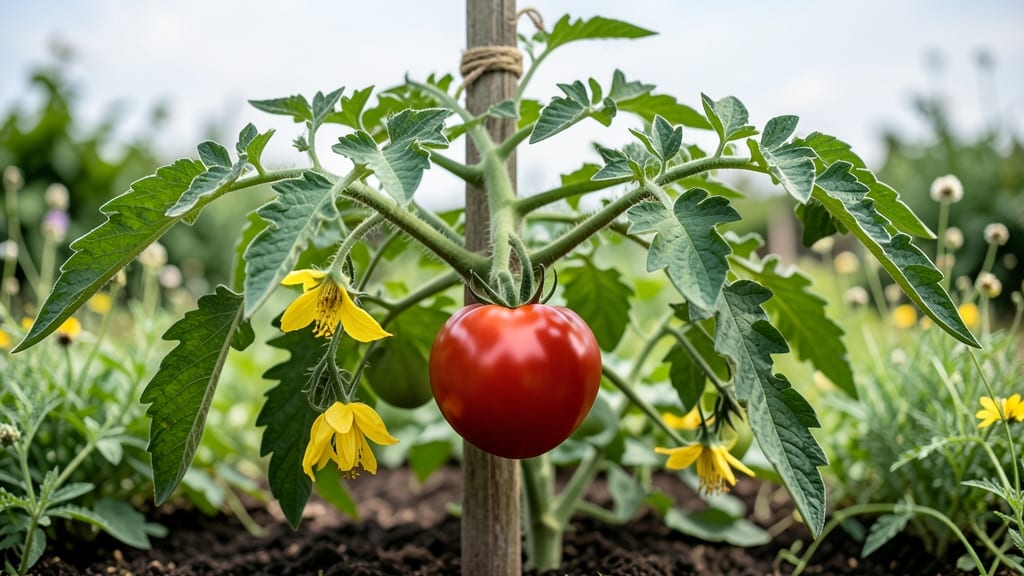
Growing beefsteak tomato care means wrestling with vines that can reach 10 feet tall—but the payoff is burgundy, beefy slices straight from your garden. 🌱 I’ve battled cracked fruit, floppy stems, and early blight with these tomatoes, and I’m sharing the exact care routine that turns my beefsteaks into the star of summer dinners.
The secret isn’t just water or fertilizer—it’s understanding how these giants grow differently than smaller varieties.
These tomatoes demand rich, well-draining soil (think compost-heavy loam) and strong support from day one—no flimsy stakes here. You’ll also need to prune aggressively to focus energy on fruit, not leaves, and water deeply once a week (more in heatwaves) to prevent cracking.
The biggest mistake? Letting them sprawl—beefsteaks need 36-inch spacing and vertical training to avoid disease and maximize yield.
By mid-summer, you’ll be harvesting pound-sized tomatoes that rival store-bought heirlooms—but with none of the travel bruising. The vines keep producing until frost if you keep them pruned and pest-free, giving you a harvest that stretches from July through October.
That first slice, still warm from the vine? Worth every extra inch of trellis.
Whether you’re dealing with blossom end rot, aphid infestations, or just wondering how to train these monsters, I’ve got the fixes. Let’s get those beefsteaks thriving—your sandwiches will thank you.
📚 In This Guide
- What you need
- Instructions
- Tips and common mistakes
- Wrapping up and next steps
What you need
- ● Beefsteak tomato seeds or seedlings: Choose heirloom or hybrid varieties like 'Brandywine,' 'Cherokee Purple,' or 'Big Beef.' Start with 2-4 plants (they need space!).
- ● Well-draining potting mix: A high-quality blend (e.g., 60% compost, 30% coconut coir, 10% perlite) or store-bought organic mix for containers.
- ● Containers or garden bed: For containers: 5-gallon pots or larger (minimum 18" diameter) with drainage holes.
- ● For in-ground: Full sun (6+ hours/day) and 12-18" deep soil enriched with compost.
- ● Fertilizer: Balanced organic fertilizer (e.g., 5-5-5 or 10-10-10) for planting.
- ● Tomato-specific fertilizer (high in phosphorus/potassium, e.g., 7-9-5) for flowering/fruiting.
- ● Support system: Sturdy 6-8 ft tall cages, stakes, or trellises (beefsteaks need heavy-duty support!).
- ● Mulch: Straw, grass clippings, or black plastic to retain moisture and suppress weeds.
- ● Hand trowel or transplanting spade for planting.
- ● Watering can or hose with adjustable nozzle (drip irrigation is ideal!).
- ● Pruning shears for trimming suckers and dead leaves.
- ● Gloves and knee pads (trust us, your hands will thank you!).
- ○ pH testing kit (optional but helpful—aim for 6.0-6.8).
- ● Grow lights if starting seeds indoors (14-16 hours/day).
- ● Café fertilizer or fish emulsion for a nutrient boost during fruiting.
- ● Row covers or shade cloth (30-50%) for young plants in hot climates.
- ● Tomato cages with built-in watering systems for convenience.
How to grow and maintain healthy beefsteak tomatoes
Here's how I keep beefsteak tomatoes thriving from first blossom to last harvest—no matter the season.
🌱 Step 1: Choose the Right Location and Soil Prep
Beefsteak tomatoes need full sun exposure—at least 8 hours daily. I always pick the warmest, sunniest spot in my garden because these vines grow massive and demand energy. Amend the soil with 2-3 inches of compost mixed into the top 12 inches before planting—this ensures strong root development and prevents blossom-end rot.
Test your soil pH first; beefsteaks prefer 6.0-6.8. If your soil is too acidic or alkaline, adjust with lime or sulfur before planting. I also add a handful of bone meal at planting time for extra phosphorus—this boosts flowering and fruit set dramatically. The goal is loose, fertile soil that drains well but holds moisture.
☀️ Step 2: Support and Prune for Maximum Growth
Install a sturdy 6-8 foot tall stake or cage when transplanting. Beefsteaks can weigh 1-2 pounds each, so the support must handle 20-30 pounds total. I use wooden stakes driven deep into the ground and tie the main stem loosely with soft garden twine every 12 inches as it grows.
Prune suckers (the small shoots growing between the main stem and branches) when they're 2-3 inches long. This directs energy to fruit production instead of leaf growth. I also remove any leaves touching the soil to prevent disease. Watch for the first flower cluster—once it appears, stop pruning above it to allow fruit to set.
💧 Step 3: Water Deeply and Consistently
Water at the base 1-2 inches per week, aiming for deep, even moisture. Beefsteaks hate inconsistent watering—it causes cracking and uneven fruit development. I water in the morning so foliage dries quickly, reducing fungal diseases like early blight. Use a soaker hose or drip irrigation to keep leaves dry.
Mulch with 3-4 inches of straw or shredded leaves to retain moisture and regulate soil temperature. The mulch layer also prevents soil-borne diseases from splashing onto leaves during watering. If you notice wilting in the afternoon, it's a sign you need to increase water frequency—especially during 80°F+ temperatures.
✂️ Step 4: Fertilize Strategically for Big Harvests
Start with a balanced 10-10-10 fertilizer at planting, then switch to a high-phosphorus formula like 5-10-10 when flowers appear. I apply a tablespoon of fertilizer per plant every 3-4 weeks during the growing season, always watering it in immediately to prevent root burn.
Watch for nitrogen deficiency (yellow lower leaves) or potassium deficiency (brown leaf edges). If you see these signs, adjust your fertilizer mix accordingly. I also side-dress with compost mid-season to provide slow-release nutrients. The key is feeding consistently without overdoing it—beefsteaks grow fast, but too much fertilizer leads to excessive leafy growth at the expense of fruit.
🍅 Step 5: Harvest and Extend the Season
Pick beefsteaks when they're fully colored but still slightly firm—this ensures peak flavor and prevents overripening on the vine. I harvest every 2-3 days during peak season to encourage continuous production. Use pruning shears to avoid damaging the stem, and store harvested tomatoes in a cool, dry place for 1-2 weeks.
To extend the season, cover plants with frost cloth when nighttime temperatures drop below 50°F. I also remove all but the top 4-5 fruit clusters in late summer to let remaining tomatoes mature fully. This simple pruning trick can add 2-3 weeks to your harvest window—perfect for preserving those massive beefsteaks for winter sauces.
Tips & tricks for growing towering beefsteak tomatoes
These practical insights will help you coax those massive beefsteak tomatoes to full, flavorful potential—without the common pitfalls that sabotage harvests.
Sun Exposure Secret: The 8 hours of daily sun is non-negotiable, but here's the thing—I've found that beefsteaks actually thrive with an extra hour if possible. Position your plants to catch morning sun first, as cooler morning temperatures reduce stress on the vines. If you're in a hot climate, provide afternoon shade during peak summer months to prevent sunscald on the fruit.
Soil Preparation Strategy: When mixing that 2-3 inches of compost into the top 12 inches of soil, don't just scratch it in—work it thoroughly. The goal is to create a loose, almost fluffy texture that roots can easily penetrate. I like to add a handful of perlite to improve drainage while maintaining moisture retention. This prevents the compacted soil that often leads to blossom-end rot in beefsteaks.
Support System Hack: That 6-8 foot stake needs to be installed at planting time—not after the vine starts growing. Drive it deep, at least 2 feet into the ground, and use soft garden twine that won't cut into the stem as it thickens. I've seen beefsteaks topple entire stakes when the fruit gets heavy, so I double up with a second stake at a 45-degree angle for extra stability. The twine should be loose enough to allow the vine to grow without restriction.
Watering Wisdom: The 1-2 inches per week guideline works, but timing matters more than you might think. Water in the morning gives leaves time to dry completely, which is crucial for preventing fungal diseases like early blight. I've found that beefsteaks actually develop deeper flavor when watered consistently at the same time each morning. During heatwaves above 80°F, I increase to 1.5 inches per week and monitor for wilting—this is your plant's way of saying "I need more water now."
Pro Tips for Beefsteak Tomato Care
- These practical insights will help you coax those massive beefsteak tomatoes to full, flavorful potential—without the common pitfalls that sabotage harvests.
- Sun Exposure Secret: The 8 hours of daily sun is non-negotiable, but here's the thing—I've found that beefsteaks actually thrive with an extra hour if possible.
- Soil Preparation Strategy: When mixing that 2-3 inches of compost into the top 12 inches of soil, don't just scratch it in—work it thoroughly.
Frequently asked questions
Got questions about growing beefsteak tomatoes? You’re not alone! Here are answers to the most common concerns—from planting to harvest—so you can grow juicy, beefy tomatoes like a pro.
When is the best time to plant beefsteak tomatoes?
Plant beefsteak tomatoes after the last frost when soil temps hit 60°F+. In warm climates, start in early spring; in cooler zones, wait until late spring. For container growing, ensure pots are at least 5 gallons and use a fast-draining mix to prevent root rot.
How long does it take for beefsteak tomatoes to produce fruit?
Expect 70–90 days from transplant to harvest, depending on variety and climate. Early-season heat can delay fruiting, so keep soil moist and fertilize with low-nitrogen, high-phosphorus feed (like 5-10-10) when flowers appear. Patience pays off—big rewards!
Why aren’t my beefsteak tomatoes ripening?
Blame cool nights, lack of sun, or overwatering. Move plants to a sunnier spot (6+ hours of light daily), mulch to retain warmth, and reduce watering slightly. If temps drop below 55°F at night, use a row cover or greenhouse. Yellow leaves? Could be too much water—let soil dry slightly between waterings.
Can I grow beefsteak tomatoes in containers or small spaces?
Choose determinate varieties (like ‘Big Beef’) for smaller pots (5+ gallons) or indeterminate types (like ‘Brandywine’) in 10+ gallon containers. Prune aggressively to control size, and use cage supports or trellises. Bonus: Container tomatoes ripen faster in heat!
How do I pick beefsteak tomatoes at peak ripeness?
Harvest when tomatoes are fully colored, slightly soft to the touch, and fragrant. Twist gently to avoid damaging the vine. Pro tip: Pick overripe tomatoes to encourage more production. Store unripe ones at room temp until they ripen—never refrigerate until fully ripe (cold turns them mealy!).
What can I do if my beefsteak tomato plants get pests or diseases?
Common issues:
- Blossom end rot: Caused by calcium deficiency—add crushed eggshells or use a calcium spray.
- Hornworms: Handpick them (they’re huge and easy to spot!) or use BT (Bacillus thuringiensis) spray.
- Fungal diseases (like early blight): Improve airflow, remove infected leaves, and spray with copper fungicide preventatively.
Wrapping up and next steps
Growing beefsteak tomatoes is a rewarding journey that brings juicy, flavorful rewards straight from your garden!
With the right care—from sturdy supports to consistent watering and smart pruning—you’ll enjoy a bountiful harvest all season long. Don’t let challenges discourage you: even seasoned gardeners face pests or weather hiccups, but your persistence will pay off with tomatoes so big and sweet, they’ll steal the show at dinner parties.
Now that you’re armed with year-round care hacks, it’s time to roll up your sleeves! 🌱 Start by marking your calendar for planting (or transplanting) in early spring, and keep an eye on those vines as they grow. Pro tip: Share your progress with fellow gardeners online—you might just inspire someone else to grow their own beefsteak giants!
Happy growing!