
Planting
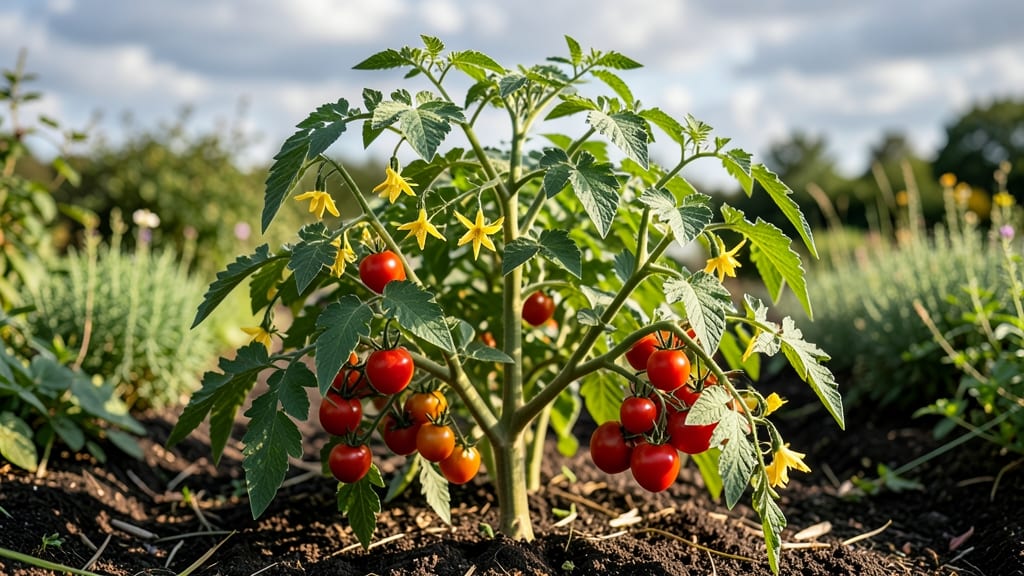
An indeterminate tomato plant is a vining variety that keeps growing and producing tomatoes all season long until frost stops it, rather than flowering all at once. These plants need sturdy support like stakes or cages to handle their sprawling growth and deliver a prolonged harvest.
Unlike their determinate cousins, these plants don't set all their fruit at once—they keep blooming and fruiting until cold weather arrives. 🌱 This means gardeners get a steady supply of tomatoes over weeks (or even months) rather than a single big harvest.
The trade-off? They demand more attention with regular pruning and support systems to prevent disease and encourage upward growth. I've found that varieties like 'Sungold' or 'Brandywine' thrive with this care, rewarding patience with delicious fruit well into fall.
Indeterminate plants also tend to produce larger, fewer tomatoes compared to determinate types, but their flavor often develops more intensely as the season progresses. The key to success is providing consistent moisture and proper airflow—both critical for preventing common issues like blight.
With the right setup, these vines can reach 6-10 feet tall, making them perfect for gardeners with vertical space who enjoy a gradual harvest.
💡 In This Article
- How Indeterminate Tomato Plants Grow Differently Than Determinate Varieties
- Caring for Indeterminate Tomatoes: Staking, Pruning, and Harvest Tips
How indeterminate tomato plants grow differently than determinate varieties
The core difference between indeterminate and determinate tomato plants lies in their genetic growth patterns. Indeterminate varieties possess an open-growth habit controlled by a single dominant gene, s, which prevents the plant from naturally stopping its vertical growth.
This means they'll keep producing new shoots, leaves, and flowers indefinitely until frost or disease intervenes. Determinate plants, in contrast, have a self-limiting growth pattern where the main stem ends in a flower cluster, triggering the plant to stop growing taller.
This genetic difference translates to dramatic seasonal behavior. Indeterminate plants start flowering about 6-8 weeks after transplanting and continue producing blooms at the terminal ends of new shoots. Each new vine can develop 3-5 flower clusters, with each cluster capable of yielding 4-6 tomatoes.
The plant's hormonal balance keeps it in a perpetual flowering state, unlike determinate types that set all their fruit in a single flush. 🌿 What's fascinating is how the plant prioritizes resources—older fruit ripens while new flowers form, creating a staggered harvest timeline that can span 60-90 days or longer in warm climates.
The vine's unlimited growth also affects its physical structure. Indeterminate plants develop a main stem that grows 6-10 feet tall (or more in ideal conditions) with lateral branches forming at leaf axils. Each branch can grow 3-5 feet long if unchecked, creating a sprawling canopy that requires support.
The plant's growth rate averages 1-2 feet per week during peak season, with new growth occurring at the tips of all branches simultaneously. This rapid expansion explains why they need sturdy support systems—without it, vines can reach 12+ feet and collapse under their own weight.
Another key difference appears in the fruit development process. Indeterminate varieties typically produce larger, fewer tomatoes (often 8-12 ounces each) compared to determinate types' 4-6 ounce fruit. The plant's continuous flowering means it never "shuts down" production like determinate varieties do after their main stem terminates.
This creates a rolling harvest where you might pick 10-20 tomatoes per week from a single plant throughout the season, rather than a single 50-100 tomato harvest all at once.
The environmental response also differs significantly. Indeterminate plants handle heat better because their continuous growth allows them to keep producing even when daytime temperatures exceed 90°F. However, they're more vulnerable to late-season frosts because their growth continues until killed by cold.
Determinate plants, with their single harvest window, are less affected by late frosts but struggle in prolonged heat. This makes indeterminate varieties particularly valuable in long growing seasons where gardeners can extend harvests well into fall.
Consider the classic 'Sungold' cherry tomato—a popular indeterminate variety. A single plant can produce 20-30 pounds of fruit over the season, but spread out over 8-10 weeks rather than all at once.
This extended production comes at the cost of more intensive care—regular pruning to remove suckers (shoots between main stem and branches), consistent watering to prevent blossom end rot, and vigilant pest monitoring.
The trade-off is worth it for gardeners who enjoy fresh tomatoes throughout summer and fall rather than a single glut.