
Planting
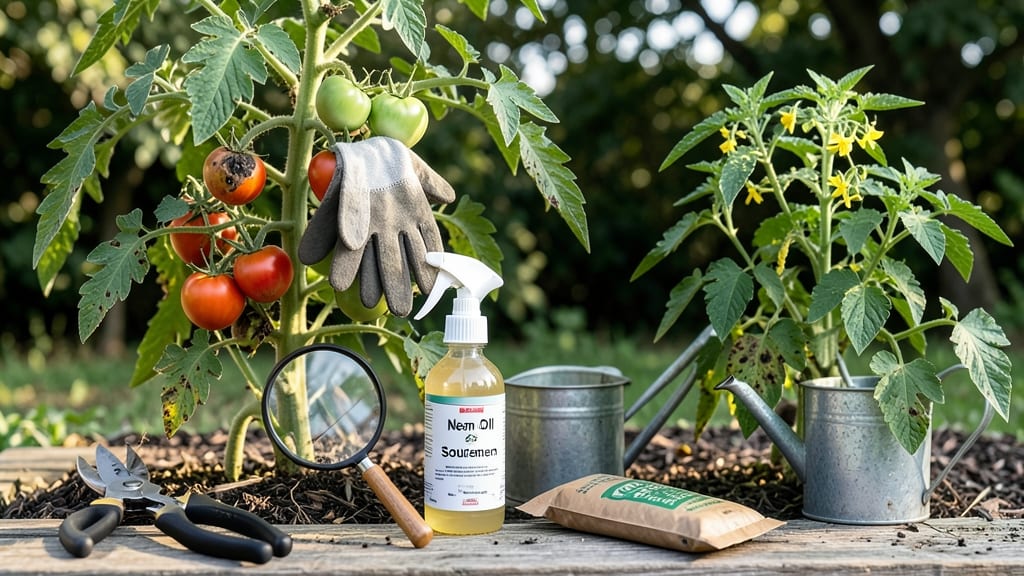
When your tomato plant problems and solutions start looking sad, time is the enemy. 🌱 I’ve diagnosed every problem from yellowing leaves to cracked fruit, and the key is acting fast before the issue spreads.
This guide cuts through the guesswork with clear symptoms, organic fixes, and preventive tips that actually work—no gardening degree required.
Most problems boil down to three culprits: pests, disease, or environmental stress. That wilted leaf? Could be blight, overwatering, or even root-bound roots. The cracked fruit? Too much water or uneven soil moisture.
I’ll walk you through how to spot these issues early—before your harvest disappears—and what to do next, whether it’s pruning, adjusting water, or spraying a homemade remedy.
By the end, you’ll know exactly how to revive struggling plants and keep future ones thriving. No more guessing whether to water more or less, or if those spots are harmless. You’ll have a step-by-step plan for each problem, plus tips to prevent them from coming back next season.
Works for backyard gardens, containers, or even balcony setups—no matter your space. Let’s get those tomatoes back on track before it’s too late.
Root Causes Of Tomato Troubles
Understanding why your tomato plants act up is half the battle—once you know the why, fixing the problem becomes much easier. 🌱🔍 Below, we break down the scientific reasons behind common tomato plant struggles, from wilting leaves to stunted growth.
Think of this as your plant’s "diagnostic manual" for troubleshooting like a pro.
Tomatoes are warm-weather lovers, but extreme heat, cold snaps, or sudden temperature swings can throw them into chaos. Here’s the science:
- Heat Stress (Above 90°F/32°C): Pollination fails when flowers wilt or drop before setting fruit. High temps also cause sunscald—white or brown patches on fruit exposed to direct sunlight.
The plant’s stomata (tiny pores) close to conserve water, but this disrupts gas exchange, leading to blossom end rot (more on that later).
- Cold Stress (Below 50°F/10°C): Tomatoes are frost-sensitive—even a light freeze can kill plants. Cold slows metabolism, causing stunted growth or blackened leaves. If temps dip near freezing, cell walls rupture, and the plant essentially "freezes from the inside out."
- Sudden Temperature Fluctuations: Nighttime temps 10°F+ cooler than daytime can shock plants. This disrupts photosynthesis and nutrient uptake, leading to weak stems, yellowing leaves, or poor fruit development.
Pro Tip: 🌡️ Use shade cloth in peak summer or row covers in spring/fall to buffer extremes. Mulch also helps regulate soil temp!
Tomatoes are thirsty but hate soggy feet—watering is a delicate balance. Here’s what goes wrong when you mess it up:
- Underwatering: - Symptoms: Wilting leaves (even when soil feels moist), crispy edges, or leaves curling upward. - Why? Tomatoes have deep roots and need 1–2 inches of water per week. When soil dries out, roots shrink (a process called plasmolysis), cutting off water supply.
Leaves lose turgor pressure and wilt. - Bonus Problem: Underwatering stresses plants, making them more susceptible to pests like spider mites.
- Overwatering: - Symptoms: Yellowing leaves (starting at the bottom), mushy stems, or root rot (black, foul-smelling roots). - Why? Tomatoes hate wet feet. Overwatering drowns roots by cutting off oxygen, leading to anaerobic conditions (yes, roots suffocate!).
Fungal pathogens like Phytophthora thrive in soggy soil, rotting roots and stems.
- Inconsistent Watering:
- Symptoms: Blossom end rot (cracked, black bottoms on fruit), uneven fruit growth, or splitting tomatoes.
- Why? Tomatoes need consistent moisture—especially during fruiting. Fluctuations cause calcium uptake issues (leading to end rot) or uneven cell expansion (causing splits).
Pro Tip: 💡 Water deeply at the base (not overhead) and mulch to retain moisture. Use a moisture meter if you’re a forgetful waterer!
Tomatoes are heavy feeders, and poor soil is like serving them a fast-food diet—quick energy, but long-term malnutrition. Here’s what happens when their diet is off:
| Problem | Why It Happens | Tell-Tale Signs |
|---|---|---|
| Nitrogen Deficiency | Soil lacks organic matter or nitrogen. Plants prioritize leaf growth over fruit. | Pale yellow leaves (older ones first). |
| Potassium Deficiency | Poor soil or overuse of nitrogen fertilizers. Potassium helps fruit development. | Weak stems, yellow leaf edges, poor fruit set. |
| Phosphorus Deficiency | Cold or compacted soil slows phosphorus uptake. Needed for root and flower growth. | Dark green/purple leaves, stunted growth. |
| Calcium Deficiency | Overwatering, high soil pH, or poor drainage washes away calcium. | Blossom end rot, weak cell walls. |
| Magnesium Deficiency | Acidic or sandy soil lacks magnesium. Critical for chlorophyll production. | Yellow patches between leaf veins (interveinal chlorosis). |
Pro Tip: 🔥 Test your soil’s pH (aim for 6.0–6.8) and amend with compost, bone meal (phosphorus), or Epsom salt (magnesium) as needed.
Tomatoes attract hordes of pests and pathogens because they’re juicy, soft, and full of nutrients. Here’s how they exploit your plants:
- Aphids & Spider Mites:
- Why? These sap-suckers inject toxins while feeding, causing curls, stunted growth, and sticky honeydew (which attracts sooty mold).
- Science: They disrupt plant hormones, leading to malformed leaves and reduced flowering.
- Fungal Diseases (Early Blight, Late Blight):
- Why? Fungi like Alternaria (early blight) and Phytophthora (late blight) spore in moist conditions. They clog stomata, blocking gas exchange and causing leaf spots, wilting, or sudden death.
- Trigger: Overhead watering, poor airflow, or contaminated soil.
- **Bacterial Wilt (Ralstonia solanacearum):
- Red Flag: Sudden collapse of stems (even when soil is moist).
Pro Tip: 🛡️ Rotate crops, remove infected plants, and use neem oil or copper fungicides preventatively.
Tomatoes hate competition—whether from other plants or their own overgrowth. Here’s how crowding backfires:
- Overcrowded Plants:
- Pale, spindly growth, fewer flowers, and increased disease risk (moisture lingers between leaves).
Pro Tip: 🌿 Space plants 18–24 inches apart, prune suckers early, and stake/tie plants for airflow.
Sometimes, the problem isn’t the plant—it’s what’s around it. Tomatoes are sensitive to:
- Salt Buildup (From Fertilizer or Irrigation):
- Symptoms: Crusty soil, leaf burn, or stunted growth.
Quick Fixes for Common Tomato Troubles
Tomatoes are rewarding but can be finicky—here’s how to diagnose and fix 12 common issues fast, with actionable steps and prevention tips to keep your plants thriving.
Cause: Too much water, lack of nitrogen, or poor drainage. Fix:
- 🔥 Check the soil: Stick your finger 1–2 inches deep. If it’s soggy, your plant is drowning.
- 🍳 Adjust watering: Water deeply but less frequently (1–1.5 inches per week). Use drip irrigation or soaker hoses to avoid wetting leaves.
- 👨🍳 Feed your plant: Apply a balanced fertilizer (10-10-10) or compost tea every 2–3 weeks.
- 🥘 Improve drainage: Amend heavy soil with perlite or compost to help roots breathe.
💡 Prevention Tip: Mulch with straw or grass clippings to retain moisture without waterlogging.
Cause: Soft-bodied insects or voracious caterpillars sucking sap or munching leaves. Fix:
- 🔪 Handpick hornworms: Check leaves daily—squish or drop them in soapy water.
- 🍳 Spray neem oil: Mix 1 tbsp neem oil + 1 tsp mild soap in 1 quart water. Spray undersides of leaves every 5–7 days.
- 👨🍳 Introduce predators: Ladybugs and lacewings eat aphids naturally. Buy them online or attract them with companion plants like basil.
- 🥘 Use row covers: For early-season pests, cover seedlings with lightweight fabric until plants mature.
💡 Prevention Tip: Plant marigolds or nasturtiums nearby—their strong scent repels pests.
Cause: Temperature swings, overwatering, or poor pollination. Fix:
- 🌡️ Stabilize temps: Tomatoes need consistent warmth (55–85°F). Avoid cold drafts or sudden heat spikes.
- ⏰ Water wisely: Keep soil evenly moist but not soggy. Drought stress causes drop.
- 🎯 Hand-pollinate: Gently shake plants or use a small brush to transfer pollen if bees are scarce.
- 💪 Boost calcium: Sprinkle crushed eggshells or apply calcium nitrate to prevent blossom-end rot (which also causes drop).
💡 Prevention Tip: Choose heat-tolerant varieties like ‘Solar Fire’ or ‘Heatmaster’ for hot climates.
Cause: Inconsistent watering causes cells to expand unevenly. Fix:
- 👨🍳 Mulch heavily: Use straw or wood chips to keep roots cool and moisture steady.
- 🥘 Water consistently: Aim for 1–2 inches per week, avoiding midday watering (which causes sunburn).
- 📊 Harvest early: Pick tomatoes when they’re slightly green—they’ll ripen indoors.
💡 Prevention Tip: Drip irrigation beats hose watering—it delivers water slowly to roots.
Cause: Humid conditions or wet foliage (especially in late summer). Fix:
- 🔥 Prune aggressively: Remove infected leaves immediately and destroy them (don’t compost!).
- 🍳 Apply copper fungicide: Spray every 7–10 days for prevention.
- 👨🍳 Space plants: Ensure 18–24 inches between tomatoes for airflow.
- 🥘 Water at the base: Avoid overhead sprinklers—use a soaker hose instead.
💡 Prevention Tip: Rotate crops yearly—don’t plant tomatoes in the same spot for 3+ years.
Cause: Compacted soil, root-bound plants, or lack of nutrients. Fix: - 🔪 Repot if needed: If roots circle the pot, transplant to a larger container with fresh potting mix. - 🍳 Loosen soil: Dig 6–12 inches deep around the base to aerate roots. - 👨🍳 Add compost: Mix in 2–3 inches of aged compost or worm castings. - 🥘 Test soil pH: Tomatoes thrive in slightly acidic soil (6.0–6.8).
Adjust with lime (to raise) or sulfur (to lower).
💡 Prevention Tip: Start with well-draining soil—mix in perlite or coconut coir if your native soil is clay-heavy.
Cause: Intense sun + dry soil = stressed plants. Fix:
- 🌡️ Provide shade: Use shade cloth (30–50%) during peak afternoon sun.
- 🥘 Water deeply: Soak roots in the morning to cool the plant.
- 💪 Prune lower leaves: Remove foliage touching the ground to improve airflow.
💡 Prevention Tip: Use reflective mulch (like white plastic) to bounce light away from plants.
Cause: Lack of bees, wind, or poor genetics (some varieties are parthenocarpic). Fix:
- 🎯 Hand-pollinate: Brush flowers gently with a paintbrush or toothpick.
- 👨🍳 Attract pollinators: Plant bee-friendly flowers (basil, borage, or marigolds) nearby.
- 🥘 Choose the right variety: Pick open-pollinated types like ‘Brandywine’ for reliable fruiting.
💡 Prevention Tip: Avoid over-fertilizing with nitrogen—it promotes leaves over fruit. Switch to a bloom-boosting fertilizer (like 5-10-10) when flowers appear.
Frequently asked questions about tomato plant care
Why are my tomato leaves turning yellow?
Yellowing leaves usually mean overwatering or nutrient deficiency. Check soil moisture first—if it's soggy, reduce watering. If leaves are pale yellow (especially older ones), your plant needs nitrogen. Try compost tea or a balanced fertilizer (10-10-10). Yellow edges with green veins often signal potassium deficiency—use banana peels or wood ash.
How do I know if my tomato plant has blight?
Look for brown or black spots with yellow halos on leaves (early blight) or dark, greasy lesions that spread rapidly (late blight). Check stems too—if they're mushy or discolored, it's spreading. Remove infected leaves immediately and apply copper fungicide every 7-10 days. Prune for airflow and water at the base only.
Can I save a tomato plant with blossom end rot?
Yes! Blossom end rot is caused by calcium deficiency from inconsistent watering. Prune affected fruit to save plant energy. Improve calcium by sprinkling crushed eggshells around the base or use calcium nitrate fertilizer. Keep soil evenly moist (1-2 inches per week) and mulch to maintain steady moisture levels.
What should I do if my tomato plant suddenly wilts?
Sudden wilting could mean root rot (from overwatering), bacterial wilt (sudden collapse), or extreme heat stress. First, check soil moisture—if it's dry, water deeply. If it's soggy, your plant may have root rot. For bacterial wilt (wilting even with moist soil), remove the plant immediately to prevent spread. Provide shade if temps exceed 90°F.
How often should I fertilize tomato plants?
Feed tomato plants every 2-3 weeks once they start flowering, using a balanced fertilizer (like 10-10-10) or compost tea. Switch to a bloom-boosting formula (like 5-10-10) when flowers appear. Avoid over-fertilizing—too much nitrogen makes plants leafy but fruitless. Always water after fertilizing to prevent root burn.