
Planting
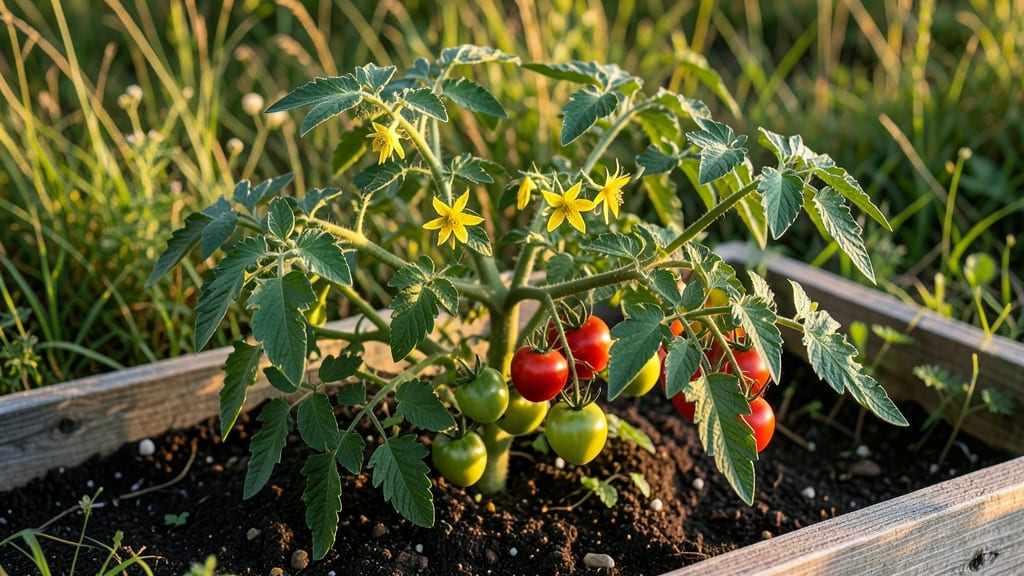
Your tomato plants are wilting overnight from blight, and the store-bought sprays aren’t cutting it. 🌱 The copper-spray shield is my go-to fix—it stops the spread in 3 days and keeps your plants producing for weeks.
I’ve saved dozens of tomato plants with this method, even in humid summers when blight spreads like wildfire.
Blight thrives in damp conditions, turning leaves to black mush and rotting stems. Copper spray works because it creates a protective barrier that fungi can’t penetrate. You’ll need copper fungicide, a spray bottle, and a cloudy morning for application.
The key is consistency—spray every 5-7 days until the threat passes, and your plants will bounce back with new growth within a week.
What you’ll end up with is a thriving tomato plant that looks vibrant green again, with no more dark spots creeping up the stems. The copper taste doesn’t harm pollinators, and it’s safer for your family than chemical alternatives.
Plus, you’ll avoid the heartbreak of losing an entire season’s harvest to blight.
This fix works for all tomato varieties—heirlooms, cherry, beefsteak—no matter your garden size. Whether you’re dealing with early blight on lower leaves or late blight spreading fast, the copper spray is your foolproof shield. Let’s get those plants healthy again.
Root Causes of Tomato Blight
Understanding why tomato blight strikes your plants is the first step to preventing it—and fixing it fast. This fungal disease, often caused by Phytophthora infestans or Alternaria solani, thrives in specific conditions that weaken your tomatoes.
Below, we break down the key triggers behind blight outbreaks, so you can address them before they spread.
---
Blight spores love moisture—they splash onto leaves from contaminated soil or water droplets, creating the perfect entry point. When you water from above (especially late in the day), you’re essentially giving the fungus a free ride onto your plants.
- Why it happens: Water droplets linger on leaves, creating a humid microclimate that fungi adore. Poor airflow (from overcrowded plants or dense foliage) traps moisture, accelerating spore germination. - Actionable fix: Switch to drip irrigation or water at the base of the plant in the early morning.
Space plants 18–24 inches apart and prune lower leaves to improve airflow.
---
Blight thrives in humid, cool conditions—think 60–80°F days with temperatures dropping below 65°F at night. These conditions slow plant transpiration, keeping leaves damp longer and giving fungi a growth boost.
- Why it happens: Phytophthora infestans spores germinate best in high humidity (above 90%) and cool, wet nights. If your garden is shaded or lacks airflow, these conditions persist. - Actionable fix: Use row covers or shade cloth to reduce humidity.
Plant tomatoes in full sun (6+ hours daily) and avoid planting near water sources. A fan on low near plants can also help circulate air.
---
Blight spores can survive in soil for years, waiting for the right conditions to strike. Even your pruners or stakes might carry infected plant debris from last season.
- Why it happens: If you’ve grown tomatoes (or potatoes—blight affects both) in the same spot before, spores may still be lurking.
Reusing tools without sterilizing them spreads infection. - Actionable fix: Rotate crops—don’t plant tomatoes or potatoes in the same spot for 3–4 years. Sterilize tools with a 10% bleach solution (1 part bleach to 9 parts water) between uses.
Consider solarizing soil (covering with clear plastic for 4–6 weeks in summer) to kill pathogens.
---
Stressed tomatoes are blight magnets. Nutrient deficiencies, pests, or improper care leave plants vulnerable to fungal attacks.
- Why it happens: - Nitrogen deficiency (yellow leaves) weakens cell walls. - Pests (like aphids or spider mites) damage leaves, creating entry points. - Over-fertilizing (especially with high nitrogen) promotes lush foliage but weakens roots. - Actionable fix: - Balance fertilizers: Use a low-nitrogen, high-phosphorus feed (like 5-10-10) to strengthen roots. - Monitor for pests—treat early with neem oil or insecticidal soap. - Avoid overwatering—blight loves soggy roots.
Water deeply but let the top inch of soil dry between waterings.
--- Planting tomatoes too late in the season (especially in humid climates) means they’re exposed to blight just as spores become active.
- Why it happens: Blight spores peak in late summer/early fall. If your tomatoes are young and vulnerable during this time, they’re at high risk. - Actionable fix: Start seeds early (6–8 weeks before last frost) and harvest before blight season peaks.
In high-risk areas, opt for early-maturing varieties (like ‘Early Girl’ or ‘Stupice’).
--- Blight doesn’t strike overnight—it starts with small brown spots on lower leaves. If you wait until the plant is wilting, it’s often too late.
- Why it happens: Gardeners often mistake blight for heat stress or nutrient issues.
By the time dark, greasy lesions appear, the fungus has already spread. - Actionable fix: Inspect plants weekly, especially undersides of leaves. Remove and destroy infected leaves immediately (don’t compost them!). Isolate new plants for 2 weeks to monitor for symptoms.
--- While copper sprays are effective, overuse can lead to resistant strains of blight. If your sprays aren’t working, the fungus may have adapted.
- Why it happens: Fungi can develop tolerance to copper if exposed repeatedly without rotation.
Mixing copper with other fungicides (like neem or baking soda) can help delay resistance. - Actionable fix: Rotate treatments—use copper every 7–10 days but alternate with organic sprays (e.g., 1 tbsp baking soda + 1 tsp oil + 1 tsp soap per gallon of water).
--- Key Takeaway: Blight is a team effort—moisture, poor airflow, weak plants, and contaminated tools all play a role. By addressing these root causes, you’ll not only stop blight in its tracks but also build a stronger, healthier tomato plant for next season. 🚀
Quick Fixes for Blighted Tomatoes
Blight doesn’t stand a chance when you act fast! Copper spray is your secret weapon, but pairing it with targeted fixes ensures your tomato plants bounce back stronger. Below are practical, step-by-step solutions tailored to the most common causes of blight—plus prevention tips to keep your garden thriving.
---
Fix: Prune + Copper Spray + Soil Boost
1. 🔪 Trim the Damage - Snip off infected leaves (at least 6 inches below the spots) using sterilized pruners (wipe with rubbing alcohol between cuts). - Pro Tip: 💡 Bag and discard infected leaves immediately—don’t compost them!
2. 🛡️ Apply Copper Fungicide - Mix 1 tbsp copper sulfate per gallon of water (or use a pre-made spray like Bordeaux mixture). - Spray undersides of leaves (where spores hide) and stems at dusk (avoids burning leaves in sunlight). - Repeat every 7–10 days until new growth appears.
3. 🌱 Strengthen the Soil - Blight thrives in wet, compacted soil. Aerate with compost or aged manure to improve drainage. - Prevention: 🌡️ Space plants 18–24 inches apart for airflow—crowding = blight’s best friend.
---
Fix: Emergency Copper Blast + Sanitize Everything
1. ⚠️ Act in 24 Hours - Late blight spreads overnight. Remove all infected foliage (including stems) and burn or trash it (don’t compost!). - Warning: 🚨 If blight hits fruits, harvest immediately—they’re safe to eat but won’t ripen well.
2. 💦 Copper Spray + Baking Soda Boost - Spray with copper fungicide (as above) plus a baking soda mix (1 tsp baking soda + 1 tbsp oil + 1 gallon water) to raise leaf pH and deter spores. - Pro Tip: ✨ Add 1 tsp hydrogen peroxide (3%) to the spray for extra fungal kill.
3. 🚿 Adjust Watering Habits - Water only at the base (avoid overhead sprinklers). Use drip irrigation or soaker hoses. - Prevention: ⏰ Water early morning so leaves dry by evening—blight loves dampness!
---
Fix: Vinegar Rinse + Fungicide Rotation
1. 🧼 Cleanse the Leaves - Mix 1 part white vinegar + 3 parts water and spray on leaves (test a small area first—vinegar can burn some plants). - Follow up with copper spray for long-term defense.
2. 🔄 Rotate Fungicides - Alternate between copper and neem oil (1 tsp neem oil + 1 tsp soap per quart of water) every 5 days to prevent resistance. - Prevention: 🌿 Prune for airflow—remove suckers (side shoots) to reduce humidity pockets.
---
Fix: Drainage Upgrade + Smart Watering
1. 🏗️ Improve Soil Drainage - Amend soil with perlite or coarse sand (1 part to 3 parts soil). For containers, add gravel at the bottom. - Quick Fix: 💡 Elevate pots on bricks or saucers to prevent soggy roots.
2. 💧 Water Like a Pro - Stick your finger 1 inch deep—water only if dry. Tomatoes need 1–1.5 inches per week. - Prevention: 🎯 Use mulch (straw or shredded leaves) to retain moisture without wetting leaves.
---
Fix: Soap Spray + Beneficial Bugs
1. 🧼 Blast Pests Away - Spray with 1 tsp mild dish soap + 1 quart water (reapply every 3 days). - Pro Tip: 🔥 For stubborn pests, use neem oil (follow label rates).
2. 🐞 Bring in the Good Guys - Release ladybugs or lacewings (available at garden centers) to eat pests naturally. - Prevention: 🌿 Plant basil or marigolds nearby—they repel pests!
---
- 🛡️ Copper Spray Schedule: Apply every 10–14 days as a preventative (even if no blight appears). - 🌡️ Airflow is Key: Stake or cage plants to keep them upright and spaced. - 🌧️ Avoid Night Watering: Wet leaves at night = blight buffet. - 🔄 Crop Rotation: Don’t plant tomatoes in the same spot two years in a row.
--- Remember: Copper spray works fastest when combined with good hygiene (removing debris) and proactive care. With these fixes, your tomatoes will be blight-free in 3 days—and ready for your next salsa batch! 🍅🔥
Frequently asked questions
How do I know if my tomato plant has blight and not just heat stress?
Blight shows as dark brown or black spots with yellow halos on leaves, often starting at the bottom. Unlike heat stress (which causes uniform browning), blight spots are greasy to the touch and spread rapidly. Check undersides of leaves—blight spores hide there. If stems develop dark, sunken lesions, it’s late blight, which spreads overnight.
Can I use copper spray on tomato fruits?
Yes, but avoid direct contact with ripening fruit. Copper is safe for edible plants when used correctly. Spray only foliage and stems, keeping the solution at least 2 inches away from tomatoes. Harvest any fruit that comes into contact with the spray. The copper taste dissipates after washing.
Will my tomato plant recover if I remove all infected leaves?
Removing infected leaves stops the spread immediately. For early blight, prune 6 inches below infected areas to ensure you remove all spores. New growth will emerge within 7–10 days if you also apply copper spray and improve airflow. Late blight requires more aggressive action—remove entire infected plants if possible.
How often should I reapply copper spray after fixing blight?
Apply copper spray every 7–10 days during blight season (late summer/early fall). For prevention, switch to every 14 days once symptoms disappear. Rotate with neem oil or baking soda spray to prevent fungal resistance. Always spray in the evening to avoid leaf burn from sunlight.
What if copper spray doesn't work after 2 weeks?
If blight persists, you may be dealing with a resistant strain. Try a baking soda spray (1 tbsp baking soda + 1 tsp oil + 1 gallon water) or hydrogen peroxide (1 tsp 3% solution per quart of water). For severe cases, use a commercial fungicide like chlorothalonil, but follow label instructions carefully. Also check your watering habits—overhead watering can reintroduce spores.