
How To
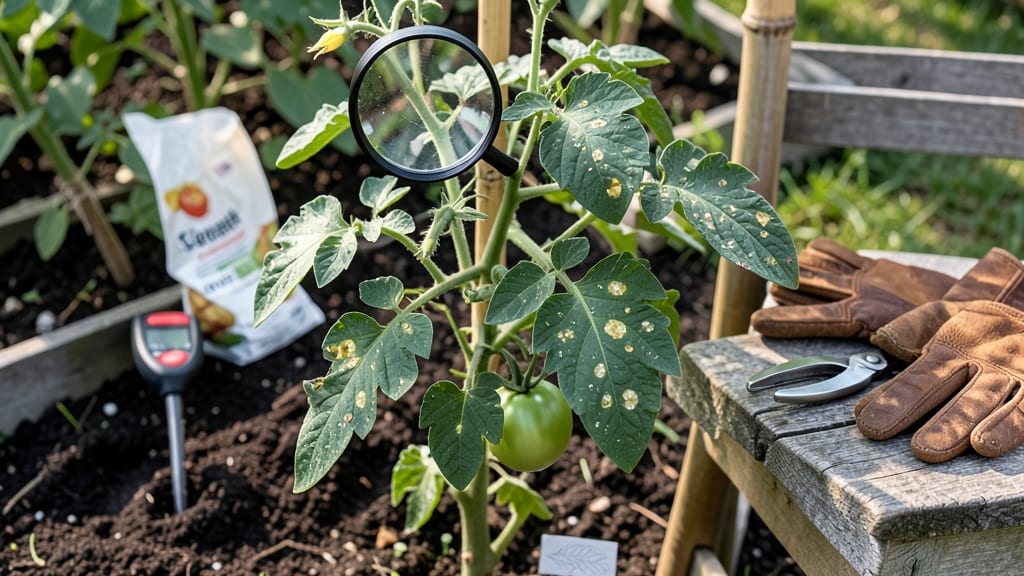
Those see-through transparent spots on your tomato leaves? That’s fungal blight calling, and copper spray is your best defense. 🌱 I’ve saved multiple seasons of tomatoes with this 3-step rescue, and it works whether you’re dealing with early blight, late blight, or even bacterial spot.
The spots start small—like tiny water droplets on the leaves—then spread, turning yellow and crispy. If you catch it early, you can stop it from ruining your entire plant.
The key is acting fast: copper spray disrupts the fungus’s life cycle, while pruning infected leaves keeps the rest of your plant healthy.
By the end of these steps, your tomatoes will be back to thriving with dark green, spot-free foliage, and you’ll have a foolproof way to prevent future outbreaks. No more panicking when you see those first telltale marks—just grab your spray bottle and get to work.
This method works for garden beds, containers, and even greenhouse tomatoes. Let’s get your plants back on track before the blight takes over!
Root Causes Of Leaf Transparency
When your tomato leaves develop those unsettling transparent spots, it’s rarely a random act of nature—it’s a cry for help from your plants. Understanding the why behind these symptoms is the first step to saving your harvest.
Below, we break down the most common culprits, backed by science, so you can diagnose and act fast.
Fungal spores are the #1 reason for those telltale translucent patches on tomato leaves. Two key offenders stand out:
Early Blight - What’s happening? The fungus Alternaria solani thrives in warm, humid conditions (75–85°F) and attacks older leaves first. - How it spreads: Spores land on leaves, germinate, and create tiny dark spots with concentric rings. Over time, the center of the spot turns transparent as the tissue dies. - Red flag: You’ll also see yellowing edges (halos) around spots—classic early blight. Septoria Leaf Spot - What’s happening? Caused by Septoria lycopersici, this fungus favors cooler, wetter weather (60–75°F) and targets younger leaves. - How it spreads: Small, circular spots with gray centers and dark borders appear first. As the fungus matters, the center becomes translucent or even paper-thin. - Red flag: Look for spots with tiny black specks (fruiting bodies) in the center—this is Septoria’s calling card.💡 Pro Tip: Both fungi love overhead watering and crowded plants. If your garden is humid or you’ve had recent rain, these spots are likely the culprits.
Viruses don’t just weaken plants—they reprogram them. Transparent spots can be a symptom of:
Tomato Mosaic Virus (ToMV) - What’s happening? Transmitted by aphids or contaminated tools, ToMV causes mosaic-like patterns on leaves—light green or translucent patches mixed with dark green veins. - How it spreads: The virus attacks the plant’s chlorophyll production, leading to irregular, water-soaked or clear spots. - Red flag: Stunted growth, curled leaves, and puckered or deformed fruit often accompany the spots. Cucumber Mosaic Virus (CMV) - What’s happening? Another aphid-borne virus, CMV creates bright yellow or translucent spots with a mottled appearance. - How it spreads: Unlike fungi, viruses can’t be cured—they multiply inside the plant, leading to systemic damage. - Red flag: Leaves may develop a crinkled or brittle texture, and new growth is often stunted.🔥 Warning: Viruses are incurable in tomatoes. If you suspect a viral infection, remove and destroy the affected plant immediately to prevent spread.
Not all transparent spots are biological. Sometimes, your watering habits are the real villain.
Overwatering or Waterlogged Soil - What’s happening? Excess moisture drowns plant roots, cutting off oxygen and leading to cell death. Leaves may develop soft, translucent patches as tissues break down. - How it spreads: Poor drainage or compacted soil worsens the issue, causing root rot and nutrient starvation. - Red flag: Yellowing leaves (especially lower ones), mushy stems, and a sour smell from the soil. Splashing Water During Irrigation - What’s happening? When water droplets splash onto leaves, they can disrupt the leaf surface, creating small, water-soaked or clear spots—especially in windy conditions. - How it spreads: This is more common with overhead sprinklers than drip irrigation. - Red flag: Spots appear randomly on leaves and may darken over time if fungal spores hitch a ride.🌡️ Quick Fix: Adjust your watering routine—water at the base in the morning, and ensure soil drains well (aim for 1 inch of water per week, including rain).
Sometimes, the problem isn’t nature—it’s you. Overzealous gardening can lead to unsightly (and harmful) leaf damage.
Fertilizer Burn - What’s happening? Too much salt or nitrogen in fertilizers (especially synthetic ones) can scorch leaf tissue, creating crispy, translucent patches. - How it spreads: High concentrations of fertilizer disrupt cell membranes, leading to browning or bleaching of leaf edges. - Red flag: Symptoms appear within days of over-fertilizing, often on older leaves first. Herbicide or Pesticide Drift - What’s happening? If nearby weeds are sprayed with glyphosate or other broadleaf herbicides, wind can carry residue to your tomatoes, causing yellow or clear spots on leaves. - How it spreads: Systemic herbicides (like Roundup) can translocate into plant tissues, leading to necrosis (dead tissue). - Red flag: Spots may have irregular, ragged edges and appear only on one side of the plant (the side facing the spray).✨ Prevention Tip: Always follow label instructions for fertilizers and pesticides. If you suspect drift, rinse leaves with water and monitor for further damage.
Now that you know the why, the next step is action. Stay tuned for our 3-step copper spray rescue guide to tackle fungal blight head-on!
Quick Fixes for Transparent Tomato Leaf Spots
Now that you know what’s causing those pesky transparent spots on your tomato leaves, let’s roll up our sleeves and tackle the problem! The good news? Most of these fixes are simple, cost-effective, and can save your plants before the issue spirals out of control.
Below, we’ve mapped out practical solutions tailored to each likely cause, along with prevention tips to keep your tomatoes thriving.
---
If your tomato leaves are developing brown or transparent spots with yellow halos, fungal blight is likely the culprit. Act fast—fungi spread quickly!
#### Step 1: Remove Infected Leaves Immediately 🍃 - How: Snip off leaves with visible spots using sterilized scissors (wipe with rubbing alcohol between cuts). - Why: Removing infected foliage stops spores from spreading to healthy leaves. - Pro Tip: 💡 Don’t compost these leaves! Toss them in the trash to prevent reinfection.
#### Step 2: Apply a Copper-Based Fungicide 🛡️ - How: Use a copper spray (like copper sulfate or copper fungicide) as directed on the label.
Reapply every 7–10 days until new growth appears. - DIY Alternative: Mix 1 tsp baking soda + 1 quart water + a few drops of dish soap (spray in the evening to avoid leaf burn). - Why: Copper disrupts fungal cell walls, halting the disease.
#### Step 3: Improve Air Circulation & Reduce Moisture 🌬️ - How: - Prune plants to open up airflow (aim for 12–18 inches between stems). - Water early in the day so leaves dry by evening. - Avoid overhead watering—use drip irrigation instead. - Why: Fungi thrive in damp, crowded conditions.
Better airflow = fewer spores.
#### Prevention for Next Season 🌱 - Rotate crops—don’t plant tomatoes in the same spot year after year. - Solarize soil in fall by covering beds with clear plastic for 4–6 weeks to kill fungal spores. - Choose resistant varieties like ‘Mountain Merit’ or ‘Defiant PhR.’
---
If the transparent spots are tiny, scattered, and accompanied by webbing or sticky residue, pests are likely sucking the life out of your leaves.
#### Step 1: Blast Off Pests with Water 💦 - How: Spray leaves forcefully with water (early morning) to knock off mites and aphids. - Why: Many pests hate water and will scatter, making them easier to spot and treat.
#### Step 2: Use Insecticidal Soap or Neem Oil 🌿 - How: - Insecticidal soap: Mix 2.5 tbsp mild soap + 1 quart water, spray until wet, and repeat every 5–7 days. - Neem oil: Mix 1 tbsp neem oil + 1 tsp dish soap + 1 quart water, spray undersides of leaves (where pests hide). - Why: These disrupt pests’ life cycles without harming beneficial insects.
#### Step 3: Introduce Natural Predators 🦋 - How: Release ladybugs, lacewings, or parasitic wasps (available at garden centers). They devour spider mites and aphids! - Why: Nature’s pest control is free, chemical-free, and sustainable.
#### Prevention Tips 🛡️ - Inspect new plants before bringing them home—quarantine for a week if needed. - Use reflective mulch (like aluminum foil) to deter whiteflies. - Encourage beneficial insects by planting dill, fennel, or marigolds nearby.
---
If spots appear after heavy watering or fertilizer use, your tomatoes might be suffering from root stress or chemical damage.
#### Step 1: Adjust Your Watering Routine 💧 - How: - Water deeply but infrequently (1–2 inches per week, depending on climate). - Let the top inch of soil dry out before watering again. - Use well-draining soil (mix in compost or perlite if needed). - Why: Overwatering suffocates roots and invites fungal growth.
#### Step 2: Flush the Soil with Water 🚰 - How: Give your plants a deep soak to leach out excess salts or fertilizer buildup. - Why: High salt concentrations can cause leaf burn, mimicking transparent spots.
#### Step 3: Balance Your Fertilizer 🌿 - How: - Switch to a balanced fertilizer (like 10-10-10) or a tomato-specific feed. - Avoid high-nitrogen fertilizers (they promote leafy growth over fruit). - Why: Too much fertilizer = nutrient burn, which weakens leaves.
#### Prevention Tips 🌱 - Test your soil before planting to check pH and nutrient levels. - Mulch heavily (2–3 inches of straw or grass clippings) to retain moisture without overwatering. - Avoid wetting leaves when watering—stick to soaker hoses or drip lines.
---
If spots appear suddenly after extreme temperatures, your tomatoes may be sun-scorched or frost-bitten.
#### Step 1: Provide Shade Cloth or Row Covers ☀️ - How: Install 30–50% shade cloth if temps exceed 90°F (32°C). - Why: Protects leaves from heat stress, which causes transparent, crispy patches.
#### Step 2: Mulch to Regulate Soil Temp 🌡️ - How: Apply 2–3 inches of mulch (straw, grass clippings, or wood chips) to keep roots cool. - Why: Cool soil = healthier roots = stronger leaves.
#### Step 3: Harden Off Young Plants Gradually ❄️ - How: If frost is a risk, cover plants with frost blankets at night. - Why: Sudden cold snaps can cause ice crystals in leaves, leading to transparent damage.
#### Prevention Tips 🌿 - Choose heat-tolerant varieties like ‘Solar Fire’ or ‘Heatmaster’ for hot climates. - Plant in late spring (after the last frost date) to avoid early-season chills. - Use black plastic mulch in cold climates to warm the soil faster.
--- - Check leaves weekly for new spots—early action is key! - Rotate treatments (e.g., copper spray one week, neem oil the next) to prevent pest/fungal resistance. - Keep a garden journal to track what works (and what doesn’t) for next season.
With these fixes, your tomato plants should bounce back stronger than ever—no more mysterious spots in sight! 🍅✨
Frequently asked questions
Why do tomato leaves develop transparent spots suddenly?
Those see-through spots usually appear due to fungal infections like early blight or Septoria leaf spot, which thrive in warm, humid conditions. Viruses (such as tomato mosaic virus) can also cause similar patterns, though they're incurable. Overwatering or poor air circulation often triggers these issues by creating ideal conditions for spores to spread.
Can I still harvest tomatoes if leaves have transparent spots?
Yes, but only if the spots are on older leaves and the fruit is already forming. Remove infected leaves immediately to prevent spread. If the spots are caused by viruses or severe fungal infections, the plant's overall health may decline, potentially affecting fruit quality. Always prioritize removing damaged foliage to protect your harvest.
How do I tell if transparent spots are from fungus or pests?
Fungal spots often have yellow halos and appear on older leaves first, while pest damage (like spider mites) shows up as tiny webbing or sticky residue. Check leaf undersides for pests—if you see them, treat with neem oil or insecticidal soap. Fungal spots usually spread more slowly and may have concentric rings.
Will copper spray work on all types of transparent spots?
Copper spray is most effective against fungal infections like early blight or Septoria leaf spot. For viral issues (e.g., mosaic virus) or pest damage, copper won't help—you'll need targeted treatments like neem oil or removing infected plants. Always confirm the cause before treating to avoid wasting time on ineffective solutions.
How can I prevent transparent spots next season?
Focus on improved airflow (prune plants, space them properly), drip irrigation (avoid wetting leaves), and crop rotation. Use disease-resistant tomato varieties and apply mulch to prevent soil-borne fungi. Solarizing your soil in fall (covering with plastic for 4-6 weeks) can also kill lingering fungal spores.