
How To
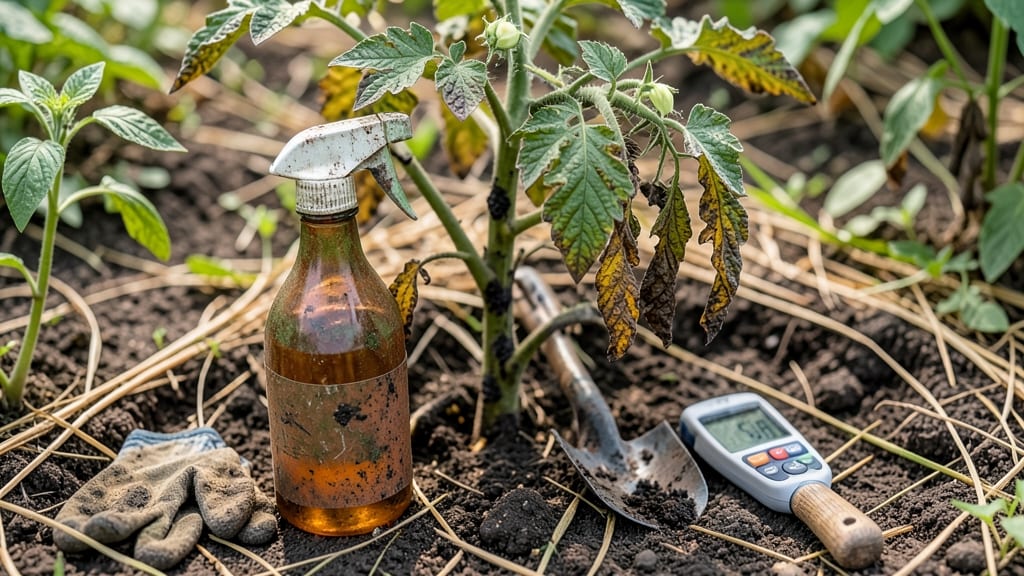
Spotting the first signs of tomato blight on tomato leaves could save your entire harvest. 🌱 Early detection of blight means the difference between a thriving vine and a lost crop, and I’ve learned the hard way what to watch for—especially those sneaky early signs that look like nothing at first.
Blight starts with small, greasy-looking spots on the undersides of leaves that turn brown and spread quickly. Later, stems darken and fruit rots at the blossom end, but by then, it’s often too late. The key is acting fast when you see those first 1/4-inch spots, especially in humid weather.
You’ll want to pull affected plants immediately, sterilize your pruners with bleach, and avoid overhead watering. The right fungicide (like copper spray) can prevent spread, but prevention—like spacing plants properly and choosing resistant varieties—is your best defense.
Even experienced gardeners miss early signs, so I keep a close eye on my plants after rain. The moment you suspect blight, act like your harvest depends on it—because it does.
Root Causes Behind Blight
Understanding why tomato blight strikes is the first step in preventing it. This fungal disease—often caused by Phytophthora infestans (late blight) or Alternaria solani (early blight)—doesn’t just appear out of nowhere.
It thrives due to specific environmental and gardening conditions. Let’s break down the key factors that turn your lush tomato plants into blight magnets.
Blight loves moisture—too much of it, to be exact. The fungus Phytophthora infestans (late blight) spreads rapidly in humid conditions (above 90% humidity) and prolonged leaf wetness (10+ hours).
Here’s why: - Spores thrive in water: When rain or overhead irrigation splashes water onto leaves, fungal spores germinate and infect plant tissue within 4–12 hours. - Stagnant air: Poor air circulation (common in dense plantings or greenhouses) traps moisture, creating the perfect breeding ground for blight spores. - Cool, wet nights: Temperatures between 60–75°F (15–24°C) with high humidity accelerate spore production and infection.
Actionable fix: Space plants for airflow, avoid watering leaves (use drip irrigation), and harvest tomatoes before nightfall to reduce overnight moisture.
Blight isn’t picky about heat or cold—it just needs moderate temperatures to spread.
Here’s the science: - Ideal blight range: Phytophthora infestans thrives in 50–77°F (10–25°C), while Alternaria solani (early blight) prefers 77–86°F (25–30°C). - Sudden temperature drops: A warm day followed by cool, damp nights (common in spring/fall) triggers spore release from infected plants or soil. - Greenhouse traps: Heated greenhouses with high humidity create a year-round blight risk, unlike outdoor gardens where cold snaps can slow it down.
Actionable fix: Monitor weather forecasts and remove lower leaves (which touch damp soil) to reduce infection points. Use row covers in early season to shield plants from sudden chills.
Blight spores are persistent survivors.
They can linger in: - Infected plant debris: Old tomato stems, leaves, or even compost piles harbor spores for years. - Soil and tools: Contaminated pruners, gloves, or soil from previous blight outbreaks reintroduce the fungus. - Wild hosts: Nearby nightshades (like potatoes, eggplants, or weeds) can act as blight reservoirs, reinfecting your tomatoes.
Actionable fix:
- Clean up thoroughly: Remove all plant debris after harvest (don’t compost it—bag and trash it).
- Sterilize tools: Wipe pruners with 70% isopropyl alcohol between uses.
- Rotate crops: Avoid planting tomatoes (or other nightshades) in the same spot for 3–4 years.
Tomatoes under stress are blight’s easiest targets.
Common stressors include: - Overcrowding: Plants competing for sunlight and air circulate poorly, trapping moisture. - Nutrient deficiencies: Low potassium (K) or calcium (Ca) weakens cell walls, making them easier for spores to penetrate. - Physical damage: Wounds from hail, insects, or rough handling create entry points for infection.
Actionable fix:
- Prune strategically: Remove suckers and lower leaves to improve airflow and sunlight penetration.
- Fertilize smartly: Use a balanced fertilizer (10-10-10) and add potassium-rich amendments (wood ash, banana peels) to boost resistance.
- Support plants: Use cages or stakes to prevent stem damage from wind or weight.
Blight doesn’t always start in your garden.
It can: - Travel on seeds: Some seed packets carry infected seed coats (especially from regions with blight outbreaks). - Hitch a ride on wind: Spores from infected farms or wild plants can drift miles in damp conditions. - Spread via humans: Contaminated shoes, clothes, or tools unknowingly transport spores between gardens.
Actionable fix:
- Buy certified disease-free seeds from reputable suppliers.
- Quarantine new plants: Isolate them for 2 weeks before mixing with your garden.
- Wash up: Rinse shoes and tools with soapy water after visiting other gardens or farms.
Quick Fixes for Tomato Blight
Tomato blight doesn’t have to mean the end of your harvest—with the right steps, you can save your plants, protect future crops, and even revive infected foliage if caught early.
Below, we break down cause-specific solutions to tackle blight at its root (literally). From organic sprays to cultural fixes, these methods are practical, garden-tested, and budget-friendly.
If you’ve spotted dark spots, yellowing leaves, or fuzzy mold on your tomatoes, copper-based fungicides are your first line of defense. These disrupt the blight spores’ life cycle without harsh chemicals.
🔥 DIY Copper Fungicide Spray (Best for Prevention & Early Treatment)
What you’ll need:
- 1 tbsp copper sulfate (or 1 tsp copper hydroxide)
- 1 gallon water
- 1 tsp dish soap (as a sticker)
Steps:
- Mix the copper in warm water, stirring until fully dissolved.
- Add soap to help the spray cling to leaves.
- Spray thoroughly—focus on undersides of leaves (where spores hide) and stems.
- Reapply every 7–10 days or after rain.
✨ Pro Tip: For a softer option, try a 1:10 baking soda solution (1 tbsp baking soda + 1 tsp soap per gallon of water). Test on a few leaves first—some plants are sensitive!
Blight thrives in humid, stagnant air—so improve airflow and dry conditions to starve it out.
🍳 Prune for Airflow (Do This Now!)
- Remove lower leaves (up to 12 inches from the soil) to reduce humidity near the plant base.
- Space plants 18–24 inches apart—crowding = blight’s best friend.
- Stake or cage tomatoes to keep foliage off the ground.
👨🍳 Adjust Watering Habits (Blight Hates Dry Feet!)
- Water at the base (not overhead) to keep leaves dry.
- Water early in the day so foliage dries by evening.
- Use drip irrigation if possible—it’s the blight-proof way to hydrate.
💡 Pro Tip: If your garden stays shady or damp, consider resistant varieties like ‘Mountain Merit’ or ‘Defiant PhR’ for next season.
Blight spreads like wildfire—don’t let one leaf doom your whole crop.
⏰ The 3-Step Cleanup Protocol
- Snip off infected leaves with sterilized pruners (wipe with rubbing alcohol between cuts).
- Dispose of debris in the trash (not compost)—blight spores can survive in compost piles.
- Burn or deep-bury severely infected plants (if possible) to eliminate spores.
⚠️ Warning: If blight hits fruit, harvest only ripe tomatoes (green ones may still carry spores). Do not compost any infected plant material—this is how blight re-infects next year.
A strong tomato plant can tolerate light blight better. Feed it right!
🥗 Nutrient Fixes for Resilient Tomatoes
| Problem | Solution |
|---|---|
| Pale or yellow leaves | Side-dress with compost or use a balanced fertilizer (10-10-10). |
| Stunted growth | Add phosphorus (bone meal) to encourage root strength. |
| Weak stems | Mix in potassium (wood ash or greensand) to improve disease resistance. |
💪 Pro Tip: Seaweed extract (1 tsp per gallon) boosts immunity—spray it on foliage every 2 weeks for prevention.
Blight overwinters in soil and plant debris, so next year’s garden starts with these habits:
- Rotate crops—don’t plant tomatoes (or potatoes/peppers) in the same spot for 3 years.
- Solarize your soil (cover with clear plastic in summer) to kill spores.
- Plant blight-resistant varieties if your climate is prone to late blight.
- Clean tools and hands between gardens to avoid spreading spores.
Final Thought: Blight is manageable—but speed is key. The moment you see dark spots or wilting, spray, prune, and adjust watering. With these steps, you’ll save this year’s crop and protect next season’s tomatoes from becoming a blight buffet. 🍅✨
Frequently asked questions
What’s the difference between early and late tomato blight signs?
Early blight (Alternaria solani) starts with brown, concentric-ring spots on older leaves, while late blight (Phytophthora infestans) shows up as greasy, dark green/black spots that spread rapidly. Late blight also causes stem lesions and fruit rot at the blossom end—something early blight rarely does.
Can tomato blight spread to other plants in my garden?
Yes, blight can jump to other nightshade family plants like potatoes, eggplants, and peppers. The fungus Phytophthora infestans (late blight) is especially aggressive and can spread via wind, water, or contaminated tools. Isolate infected plants immediately and sterilize everything that touched them.
Will my tomatoes still be safe to eat if they have blight?
Only if the fruit was fully ripe before blight appeared. Green or partially ripe tomatoes may carry spores. Always remove affected fruit immediately and compost it separately (not in your regular compost pile). For safety, harvest only tomatoes that were clearly ripe when blight symptoms appeared.
How often should I check my tomato plants for blight?
Inspect your plants every 3–5 days during humid weather or after rain. Focus on the undersides of leaves (where spores hide) and stems. Early detection is key—catching blight before it spreads to 10% of leaves gives you the best chance of saving your plants.
Are there any blight-resistant tomato varieties I can plant next year?
Try varieties like ‘Mountain Merit’, ‘Defiant PhR’, or ‘Bush Early Girl’—they’re bred to resist late blight. For early blight resistance, look for ‘Heatmaster’ or ‘Celebrity’. Always check seed packets for disease resistance ratings when selecting varieties for your climate.