
How To
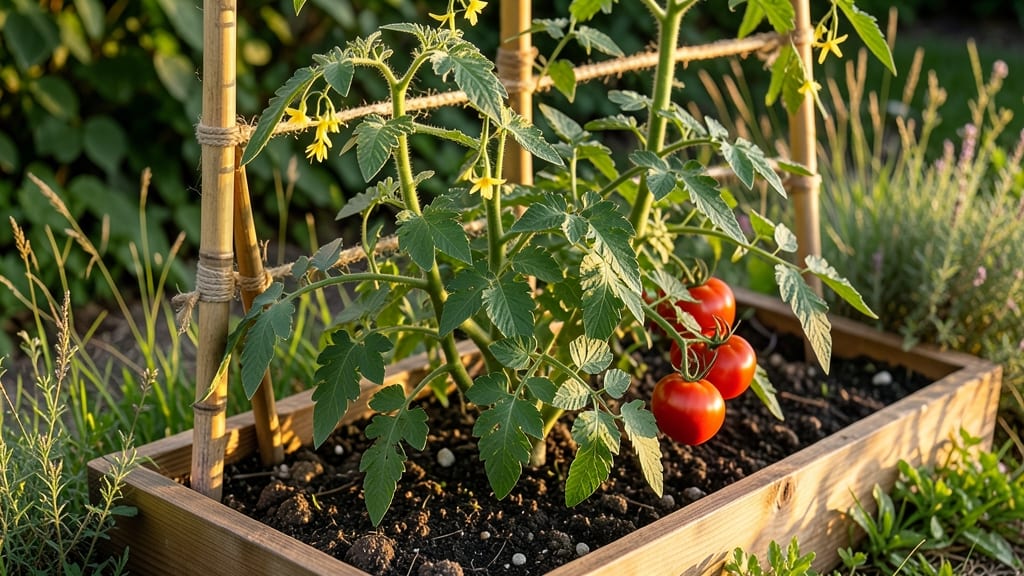
Tomato plants grow anywhere from 1 foot to 10 feet tall, depending on the variety you choose—so if you’re planning your garden layout, this is the first question to answer.
Picture this: your cherry tomatoes 🍅 sprawling across a balcony railing, while your heirloom beefsteaks reach for the sky like a jungle gym. The difference isn’t just aesthetics—it’s about space, support, and whether you’ll be wrestling with vines or simply picking from a compact bush.
Determinate varieties stay short and bushy, perfect for containers or small plots, while indeterminate types climb like crazy, needing trellises or cages to keep them off the ground. Without the right support, even the hardiest plants can flop, leading to disease and wasted fruit.
In this guide, I’ll break down the height ranges for common types, how to pick the right variety for your space, and the game-changer support systems that turn tangled messes into productive powerhouses.


Tomato plant heights by variety: dwarf to determinate to indeterminate giants
Tomato plants come in a stunning range of heights, from compact dwarf varieties perfect for containers to indeterminate giants that can climb 10 feet or more.
The right choice depends on your space, climate, and how much you're willing to invest in support systems. Dwarf tomatoes stay under 3 feet, while indeterminate varieties grow continuously throughout the season, often requiring trellises or cages to manage their sprawling vines.
Understanding these height differences helps you plan your garden layout, choose the right support structures, and maximize your harvest. Whether you're working with a small balcony or a sprawling backyard, knowing your tomato's mature height ensures you give it the room—and support—it needs to thrive.
Let’s break down the three main categories of tomato plant heights so you can pick the perfect variety for your growing space.
🌱 Visual Tip: Use this guide to compare varieties before planting. For example, cherry tomatoes often fall into indeterminate categories, while beefsteak tomatoes are typically determinate. Always check seed packets or plant tags for exact height expectations, as even within categories, varieties can vary by 1-2 feet.
If you’re growing dwarf tomatoes, varieties like 'Tiny Tim' or 'Patio Princess' stay under 2 feet, making them ideal for 5-gallon containers or hanging baskets. These plants produce fruit all at once, perfect for canning or fresh eating in smaller batches.
Just remember, their compact size means fewer fruits per plant compared to larger varieties.
For determinate tomatoes, think of varieties like 'Celebrity' or 'Better Boy', which grow to about 4-5 feet tall. These plants are self-supporting and produce fruit in clusters, making them great for heirloom varieties or large harvests.
They’re also easier to manage in traditional garden rows, as they don’t require extensive pruning or trellising.
Now, if you love the idea of towering tomato vines, indeterminate varieties like 'Sungold' (cherry tomatoes) or 'Brandywine' can reach 10 feet or more with proper support. These vines grow continuously throughout the season, producing fruit until the first frost.
However, they need sturdy trellises or cages to prevent them from toppling over or sprawling across your garden.
🌿 Pro Tip: Indeterminate tomatoes often benefit from pruning to redirect energy to fruit production rather than excessive leaf growth. Remove suckers (the small shoots that form in the joint between the stem and branches) regularly to keep the plant focused on producing tomatoes instead of extra foliage.
One common mistake I see is assuming all tomatoes need the same amount of space. Dwarf varieties can thrive in 5-gallon pots on a sunny balcony, while indeterminate giants need at least 3 feet of vertical space and a strong support system.
Always check the plant tag or seed packet for specific spacing recommendations, as some varieties can vary even within the same category.
For example, 'Roma' tomatoes are determinate and typically grow to about 3-4 feet, while 'Cherokee Purple' indeterminate tomatoes can easily exceed 6 feet. If you’re short on space, opt for dwarf or semi-dwarf varieties
Support systems for tall tomato plants: cages, trellises, and stakes explained
Choosing the right support for your tomato plants isn't just about aesthetics—it directly impacts fruit production and plant health. Indeterminate varieties like Sungold can reach 6-10 feet, while determinate types like Roma max out at 3-4 feet.
Without proper support, your plants may sprawl, increasing disease risk and reducing yields. Let’s break down the best options for your garden layout and plant type.
Your tomato’s support system should match its growth habit. Determinate tomatoes (which grow to a fixed height) thrive in tomato cages or sturdy stakes, while indeterminate varieties need trellises or strong cages to handle their endless vines.
DIY options like wooden trellises or bamboo stakes are cost-effective, but commercial supports offer convenience and durability. Let’s compare your options below.
For indeterminate tomatoes, I recommend wooden trellises or metal cages because they handle the weight of heavy vines and fruit clusters without bending. Install trellises at planting time to avoid root disturbance later.
Use soft plant ties (like velcro strips) to secure vines gently—tight ties can damage stems as they grow. If space is tight, vertical gardening with trellises saves room and improves air circulation, reducing disease risk.
Avoid common mistakes like overcrowding plants—even with supports, vines need space to spread. Place supports 2-3 feet apart for indeterminate types to prevent competition. Weak or flimsy materials (like thin plastic cages) will fail under 6-foot vines laden with fruit.
If you’re growing in containers, opt for heavy-duty cages or freestanding trellises to ensure stability, especially in windy conditions.
DIY trellises are a great way to customize your setup. Use 2x4 lumber or PVC pipes for a sturdy frame, and attach string or netting for vines to climb. For balcony gardens, wall-mounted trellises free up floor space while keeping plants accessible.
Always anchor supports deep into the soil or secure them to a permanent structure to prevent toppling. With the right support, even 10-foot vines will produce bountiful harvests without sprawling chaos.
🌱