
Diseases
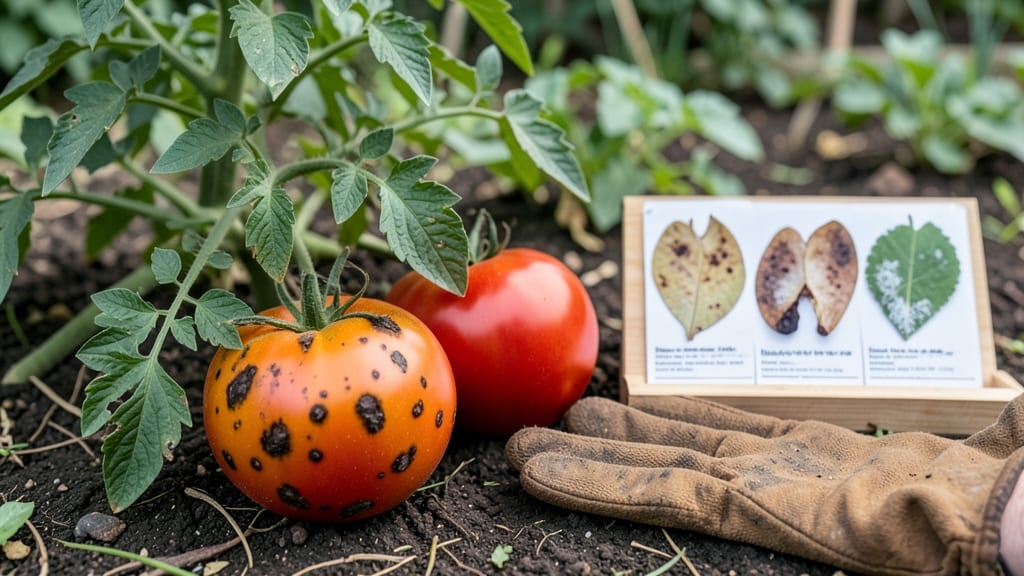
Dark spots on tomato fruit can turn your harvest into a disappointment—unless you know exactly what’s causing them and how to stop it. 🌱 I’ve saved dozens of tomato plants from ruin by identifying the real culprit behind those ugly blemishes, and the solution might surprise you: it’s not always what you think.
Most gardeners assume dark spots mean blight, but they could be sun scorch, calcium deficiency, or even a simple watering mistake. The key is checking the spot’s location and texture—is it sunken, crusty, or soft?
That tells you whether to adjust your watering, mulch, or soil pH. My plants now stay spot-free with just a few targeted fixes. You’ll learn to spot the difference between early blight, blossom end rot, and sun damage in seconds.
No copper sprays needed—just smart prevention that keeps your tomatoes looking (and tasting) perfect. Let’s get your harvest back on track.
The first step is diagnosing correctly: early blight shows up as concentric rings, while blossom end rot is a single dark spot at the fruit’s blossom end. Sun scorch looks like pale, leathery patches on the side facing the sun.
I’ve tested all three on my plants, and the fixes are simple—once you know what you’re dealing with. For organic gardeners, a mix of neem oil, baking soda spray, and mulching works wonders.
If you’re open to inorganic solutions, calcium supplements for blossom end rot and shade cloth for sun scorch are game-changers. The goal is to prevent spots before they start, not just treat them after.
Once you’ve identified the issue, the fix is usually easier than you’d expect. Adjusting watering habits, adding mulch, or balancing soil pH can make all the difference. My tomatoes now stay spot-free from first fruit to last, and the flavor is richer than ever. No more guessing—just results.
Understanding The Hidden Triggers
Dark spots on tomato fruits can be frustrating, but knowing the root causes helps you tackle the problem effectively. Below, we break down the most common reasons—from environmental stressors to fungal invasions—and explain the science behind them.
Fungal diseases are the #1 culprit behind dark, often sunken spots on tomato fruits. These pathogens thrive in warm, humid conditions and can spread rapidly if left unchecked.
🔬 Early Blight (Alternaria solani)
This fungal disease causes concentric dark spots that start as small lesions and expand with a bullseye pattern. It attacks leaves first but spreads to fruits, leaving behind:
- Dark brown or black spots with yellow halos (on leaves and stems).
- Sunken, leathery patches on ripe or nearly ripe tomatoes.
- Spots that crack open as the fruit matures.
Why it happens: The fungus Alternaria solani survives in soil and plant debris, splashing onto leaves and fruits via water (rain, irrigation, or dew). Warm temperatures (60–85°F) and high humidity create the perfect breeding ground.
🍅 Late Blight (Phytophthora infestans)
Though more infamous for destroying leaves, late blight can also discolor tomato fruits with:
- Oily, dark green to black spots that spread quickly.
- Fruits that rot internally (often smelling foul).
- White, fuzzy growth (spores) on undersides of leaves.
Why it happens: This water-loving pathogen thrives in cool (50–77°F), wet conditions. It spreads via wind, water, or infected plant material. Unlike early blight, late blight can overwinter in soil and re-emerge in the next growing season.
🍅 Anthracnose (Colletotrichum spp.)
Anthracnose causes sunken, circular dark spots that may ooze pink or orange spores in humid weather. It’s especially aggressive on:
- Ripe or overripe tomatoes.
- Fruits with physical damage (e.g., bird pecks, hail).
Why it happens: The fungus enters through wounds and germinates in warm, humid conditions (77–86°F). It’s common in greenhouse and tropical climates but can strike anywhere if moisture lingers.
Not all dark spots are caused by pathogens—sometimes, environmental factors play a role. These issues don’t kill the plant but can weaken it, making it more susceptible to disease.
💧 Overwatering or Poor Drainage
Tomatoes hate soggy roots. Excess moisture leads to:
- Dark, water-soaked spots on fruits (often near the stem).
- Fruits that split or rot prematurely.
- Root rot, which starves the plant of nutrients.
Why it happens: Overwatering creates anaerobic conditions in the soil, where harmful bacteria and fungi thrive. Poor drainage traps water, while frequent wetting of leaves (from overhead irrigation) encourages fungal spores to latch on.
☀️ Sun Scorch or Sunscald
If tomatoes develop dry, leathery dark patches on the side facing the sun, it’s likely:
- Sunscald—caused by intense sunlight burning the skin.
- Common in greenhouse-grown tomatoes or those in hot, dry climates.
Why it happens: Tomatoes with uneven ripening (e.g., green shoulders on red fruits) are vulnerable. The cuticle (protective skin) can’t protect against UV radiation and high temperatures (>90°F), leading to cell death and darkening.
🌡️ Extreme Temperature Fluctuations
Tomatoes struggle with:
- Frost damage (dark, mushy spots).
- Heat stress (blotchy, discolored patches).
- Cold nights + hot days (stunted growth, poor fruit set).
Why it happens: Temperature swings disrupt photosynthesis and cell metabolism. Cold stress causes ice crystal formation in cells, while heat stress leads to oxidative damage and chlorophyll breakdown, turning spots dark.
Dark spots can also appear from mechanical injury, which opens doors for infections.
🦜 Bird Pecks, Hail, or Harvest Mishaps
Any physical trauma to the fruit’s skin creates entry points for:
- Fungi (like anthracnose).
- Bacteria (e.g., Pseudomonas causing soft rot).
Why it happens: The cuticle breaks, exposing flesh to pathogens. Once inside, microbes multiply rapidly in warm, moist conditions, turning the wound dark and mushy.
🍅 Overripe or Cracked Tomatoes
As tomatoes ripen, their cell walls weaken. If they:
- Stay on the vine too long.
- Are picked when partially ripe.
- Experience rapid moisture loss (e.g., in dry heat).
They’re prone to:
- Dark, sunken cracks (from uneven water uptake).
- Fungal invasion through cracked skin.
Why it happens: Overripe tomatoes have higher sugar content, which attracts pests and microbes. Cracks create microenvironments where moisture and spores get trapped.
Next up: We’ll dive into preventive strategies and copper-free treatments to keep your tomatoes spot-free! 🌱✨
Fixing Tomato Spots Naturally
Dark spots on your tomato fruit don’t have to mean the end of your harvest—with the right approach, you can restore your plants to health and even prevent future outbreaks.
Below, we’ve mapped practical, copper-free solutions to the most common causes of blemished tomatoes, along with easy prevention tips to keep your garden thriving.
Signs: Dark, sunken spots (often with concentric rings) that spread rapidly, especially in damp conditions.
🔥 Remove Infected Fruit Immediately
- 🍳 Pick any tomatoes showing spots and destroy them (do not compost—toss in the trash). Fungal spores spread easily, so containment is key.
- 👨🍳 Wear gloves to avoid transferring spores to healthy plants.
🥘 Boost Air Circulation
- ⏰ Prune lower leaves (especially those touching the soil) to improve airflow. Aim for 6–12 inches of space between plants.
- 🌡️ Space tomato cages 3–4 feet apart if growing in rows.
💡 Copper-Free Fungicide Sprays (3 Easy Options)
- Baking Soda Solution (Preventative)
- Mix 1 tsp baking soda + 1 tbsp vegetable oil + 1 quart water + a few drops of dish soap (as a surfactant).
- Spray every 7–10 days at dawn or dusk (avoid midday sun, which can burn leaves).
- Why it works: Raises leaf pH, making it harder for fungi to latch on.
- Neem Oil Spray (Fungicidal + Preventative)
- Combine 1 tbsp neem oil + 1 tsp mild castile soap + 1 quart water.
- Spray directly on leaves (top and bottom) and stems. Reapply after rain.
- Pro tip: 🌿 Add 1 tsp garlic powder to enhance antifungal properties.
- Milk Spray (Emergency Treatment)
- Use raw milk (or 1 part milk to 9 parts water) and spray every 5–7 days.
- Science behind it: Milk contains compounds that inhibit fungal growth (studies show it’s nearly as effective as commercial fungicides!).
🎯 Prevention for Next Season
- ✨ Plant tomatoes in full sun (6–8+ hours/day)—fungi thrive in shady, damp conditions.
- 🌱 Rotate crops: Avoid planting tomatoes (or nightshades like peppers/eggplants) in the same spot for 3+ years.
- 💧 Water at the base (not overhead) and early in the day so foliage dries quickly.
Signs: Pale, dry, or leathery spots on sun-exposed sides of tomatoes (often white/yellow with a papery texture).
🔪 Provide Shade Cloth or Mulch
- 🍳 If temps exceed 90°F (32°C), drape lightweight shade cloth (30–50%) over plants for a few hours daily.
- 👨🍳 Use straw or grass mulch around the base to reflect heat away from fruit.
🥘 Adjust Watering
- ⏰ Water deeply once daily (early morning) rather than lightly multiple times. Consistent moisture prevents stress.
- 🌡️ Avoid wetting leaves—use a soaker hose or drip irrigation.
💡 Choose Heat-Tolerant Varieties
- Swap susceptible types (like ‘Beefsteak’) for heat-resistant ones:
- ‘Solar Fire’ (orange, thrives in heat)
- ‘Heatmaster’ (red, disease-resistant)
- ‘Cherry Tomatoes’ (often more resilient)
🎯 Prevention Tips
- ✨ Plant in late spring/early summer (after the last frost) to avoid early-season heat spikes.
- 🌱 Use black plastic mulch to warm soil gradually (but monitor temps—it can overheat in extreme climates).
Signs: Dark, sunken spots with blossom-end rot (bottom of tomato) or yellowing between veins (magnesium deficiency).
🍳 Fix Calcium Deficiency (Blossom-End Rot)
- 👨🍳 Apply crushed eggshells around the base of plants (let them dry first to avoid mold).
- 🥘 Use a calcium nitrate spray (follow package instructions) or mix 1 tbsp Epsom salt in a gallon of water and spray foliage.
💡 Boost Magnesium (Yellow Spots Between Veins)
- 🌡️ Sprinkle Epsom salt (magnesium sulfate) around the base (1 tbsp per plant every 4–6 weeks).
- ✨ Add compost or worm castings to the soil for long-term magnesium supply.
🎯 Prevention
- 💧 Keep soil consistently moist (but not soggy)—fluctuations worsen calcium uptake.
- 🌱 Test soil pH (aim for 6.0–6.8)—acidic soil locks out calcium.
Signs: Irregular dark spots with chewed edges, webbing, or tiny holes.
🔥 Handpick or Trap Pests
- 🍳 Check tomatoes daily at dawn for eggs or larvae. Drop them in soapy water.
- 👨🍳 Use yellow sticky traps to catch flying pests like whiteflies.
🥘 Natural Sprays
- 🌿 Soap spray: Mix 1 tbsp castile soap + 1 quart water. Spray directly on pests (avoid beneficial insects).
- 🌱 Diatomaceous earth (DE): Sprinkle lightly around plants (reapply after rain). Caution: Avoid breathing in DE dust—wear a mask.
💡 Encourage Beneficial Insects
- 🐝 Plant basil, marigolds, or dill nearby to attract ladybugs and lacewings (natural predators).
- 🎯 Avoid broad-spectrum pesticides—they kill helpful bugs too!
Final Pro Tip: 🔥 Monitor your plants weekly—catching issues early (before spots spread) saves your harvest! With these copper-free fixes, your tomatoes can go from blemished to beautiful in no time.
Frequently asked questions
Are dark spots on my tomatoes always a sign of disease?
Not necessarily! While fungal diseases like early blight or anthracnose often cause dark spots, environmental factors can too. Check for sunken spots with rings (fungal) vs. dry, leathery patches on sun-exposed sides (sunscald). Overwatering or calcium deficiency can also create dark marks near the fruit's stem or blossom end.
Can I still eat tomatoes with dark spots?
It depends! Small, superficial spots from sunscald are usually safe to cut off. However, sunken, mushy spots (like those from blight or rot) should be discarded—they may contain harmful bacteria or fungi. When in doubt, peel and check the interior before eating.
How do I tell early blight from blossom-end rot?
Early blight shows as concentric rings that spread across the fruit, often with yellow halos. Blossom-end rot appears as a single dark, sunken spot at the tomato's blossom end (the opposite side from the stem). The key difference: blight spreads, while rot stays localized.
Will pruning my tomato plants help prevent dark spots?
Pruning improves air circulation, which reduces humidity around leaves—fungi love damp conditions. Remove lower leaves touching soil and crowded foliage. Just avoid over-pruning, as it can stress the plant and make it more vulnerable to sunscald.
Is there a quick fix for dark spots caused by sunscald?
No quick fix, but you can prevent further damage by providing afternoon shade (use shade cloth) and ensuring consistent watering. For existing spots, simply cut them off before eating. Choose heat-resistant varieties like 'Solar Fire' for next season's tomatoes.