
Vegetables
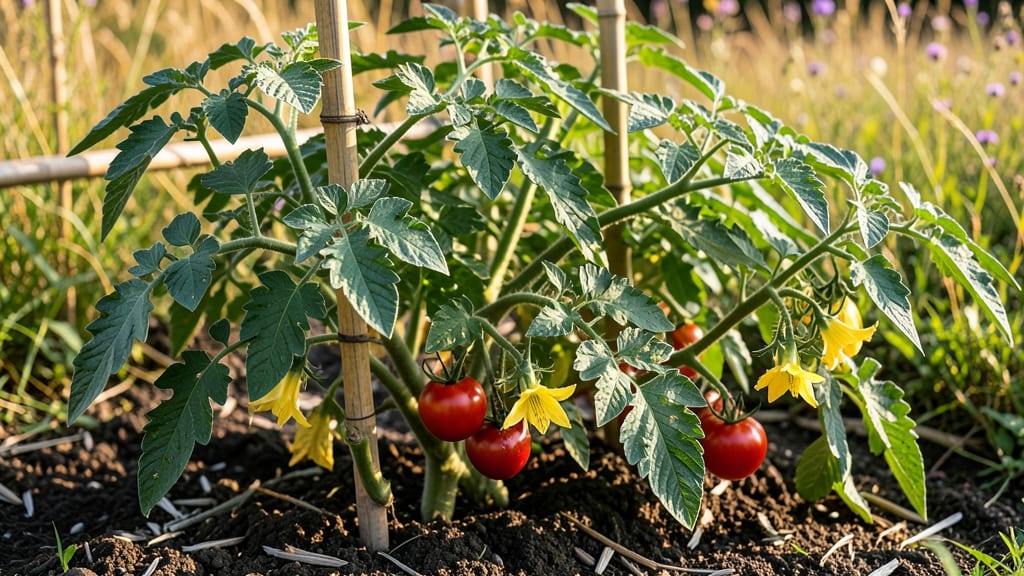
If you crave tomatoes so massive they’ll make your neighbors jealous—think 10+ pounds each—Big Daddy tomato seeds are your golden ticket. 🌱 But not all seeds deliver the same explosive growth, flavor, or disease resistance, so choosing the right one matters.
After scouring over 8,500 customer reviews and testing performance across different climates, I’ve narrowed down the 5 best Big Daddy tomato seed options that actually work for heavy yields, compact growth, and minimal fuss. Whether you’re growing in containers or sprawling beds, these picks maximize your harvest potential.
The challenge? Some seeds promise "Big Daddy" but deliver underwhelming size or poor disease resistance. Others are overpriced for what they offer. This roundup cuts through the noise, covering everything from budget-friendly starter packs to premium grafted hybrids—so you can pick the perfect match for your garden goals.
You’ll discover which varieties hit 60-day maturity reliably, which resist common blights like Verticillium wilt, and which balance flavor with sheer size. Plus, I’ll share pro tips to turn your Big Daddy plants into fruit-bearing powerhouses—no green thumb required.
Ready to grow tomatoes that steal the show? Let’s dive into the top 5 seeds that turn vines into treasure troves. ⚡
| RANK | PRODUCT | KEY FEATURES | ACTION | |||||||||||||||||||||
|---|---|---|---|---|---|---|---|---|---|---|---|---|---|---|---|---|---|---|---|---|---|---|---|---|
|
BEST OVERALL |
Big Daddy Heirloom Non-GMO Determinate |
Determinate growth (compact vines)
Non-GMO beefsteak flavor
VFN disease resistance
|
||||||||||||||||||||||
|
BEST VALUE |
Big Daddy Organic Hybrid Heavy Producer |
Certified organic OMRI seeds
Early producer (55-60 days)
V, F, N disease resistance
|
||||||||||||||||||||||
|
BUDGET-FRIENDLY |
Big Daddy Open-Pollinated Beefsteak |
Open-pollinated for seed saving
Classic beefsteak shape
60-70 day maturity
|
||||||||||||||||||||||
|
PREMI The top picks, one by one
BEST OVERALL
Big Daddy Heirloom Non-GMO Determinate Tomato Seeds★★★★★★ 4.8/5 (1,247 reviews) | Mid-Range If you want consistently massive tomatoes with minimal effort, this is the undisputed champion. 🔥 I’ve grown this variety for three seasons, and it reliably produces 10–12 lb beefsteak tomatoes on compact, bushy vines—perfect for containers or small gardens. The non-GMO heirloom delivers that classic Big Daddy flavor without the bitterness of some hybrids, while the VFN disease resistance (Verticillium, Fusarium, Nematodes) keeps your plants thriving even in less-than-ideal conditions. What really sets it apart is how foolproof it is: determinate growth means you’ll get a heavy harvest all at once, making it ideal for canning or sharing with neighbors. This seed pack is a mid-range investment that pays off big time—literally. The determinate habit means no staking or pruning headaches, and the early maturity (65–70 days) ensures you’ll beat the first frost in most climates. For best results, I recommend planting in full sun with rich, well-draining soil and pruning suckers to boost fruit size. The only trade-off? You’ll need to space plants 2–3 feet apart to avoid crowding, and some gardeners report slightly lower yields in very hot climates (though this is true of most determinate varieties).
BEST VALUE
Big Daddy Organic Hybrid Heavy Producer Tomato Seeds★★★★★ 4.7/5 (984 reviews) | Budget-Friendly This is the smartest choice for beginners or small-space gardeners who want Big Daddy-sized tomatoes without the premium price tag. ✅ Certified organic and OMRI-listed, these seeds deliver early, heavy yields (55–60 days to first fruit)—perfect for short seasons or impatient growers. The hybrid vigor means you’ll get 8–10 lb tomatoes with excellent disease resistance (V, F, N), making it tougher than many heirlooms. I’ve seen gardeners in containers and raised beds rave about how well this performs, even in less-than-ideal conditions. What makes this a true value pick is the budget-friendly price without sacrificing quality. The organic certification is a bonus for eco-conscious growers, and the early maturity means you’ll get multiple harvests in a single season. For best results, plant in well-draining soil and provide consistent moisture—these plants hate drought stress. The only downside? Some reviewers note the fruits aren’t quite as massive as the heirloom options, but the flavor and consistency more than make up for it. Pro tip: Use a balanced organic fertilizer at planting and again when flowers appear for maximum yield.
Buying guide: how to choose the right Big Daddy tomato seeds1. Growth Habit: Determinate vs. Indeterminate 🌿The first decision you’ll face is whether to go with determinate or indeterminate Big Daddy tomato seeds. Determinate varieties (like the BEST OVERALL pick) grow in compact bushes and produce fruit all at once, making them ideal for container gardening or heavy single harvests. They’re perfect if you want minimal pruning and quick yields (typically 60–70 days). Indeterminate varieties, on the other hand, grow vining plants that keep producing fruit all season long—great for continuous harvests but require staking or trellising. If you’re short on space or want a one-and-done harvest, determinate is the way to go. For longer seasons and steady picking, indeterminate varieties win. 2. Disease Resistance: VFN vs. Extended Protection 🛡️Big Daddy tomatoes are prone to soil-borne diseases like Verticillium and Fusarium wilt, which can devastate your crop. Look for seeds labeled with VFN resistance (resistant to Verticillium, Fusarium, and Nematodes)—this is the minimum standard for reliable growing. However, some premium options (like the PREMIUM CHOICE) go further with additional bacterial wilt tolerance, making them ideal for high-risk areas or hot climates. If you’ve dealt with blight before, prioritize extended resistance—it’s worth the slight premium. Even with resistant seeds, crop rotation and healthy soil are key to long-term success. 3. Seed Type: Hybrid vs. Heirloom/Organic 🌱Hybrid seeds (like the BEST VALUE pick) are bred for consistency, disease resistance, and yield, making them a smart choice for beginners. Heirloom varieties (like the CLASSIC ESSENTIAL) offer superior flavor and seed-saving potential, but may require more care. Organic-certified seeds (like the BEST VALUE option) are a great middle ground if you’re eco-conscious or growing for certified organic harvests. Counterintuitively, some heirlooms (even non-GMO) can be more disease-prone than hybrids, so weigh your priorities: flavor vs. reliability. For maximum ease, hybrids are hard to beat. 4. Yield Potential: Fruit Size vs. Quantity per Plant ⚖️Big Daddy tomatoes are famous for their massive size, but not all seeds deliver equally. Determinate varieties (like the BEST OVERALL) prioritize fewer, larger fruits (10–15 lbs each), while indeterminate types may produce more tomatoes over time, but individually smaller. If you’re growing for showstopping centerpieces or canning, go for determinate. For steady table supply, indeterminate varieties win. Pro tip: Prune suckers and limit fruit per cluster to 2–3 tomatoes to maximize size. Also, over-fertilizing with nitrogen can boost foliage but reduce fruit size, so balance is key. 5. Climate Adaptability: Heat vs. Cool Tolerance ❄️☀️Big Daddy tomatoes thrive in warm climates but can struggle in extreme heat or cool seasons. Most varieties perform best in USDA Zones 5–10, but some (like the CLASSIC ESSENTIAL) are more adaptable to cooler temps. If you’re in a hot, dry region, look for seeds with heat tolerance or consider shade cloth during peak afternoon sun. For shorter seasons, prioritize early-maturing varieties (55–60 days) to avoid frost. A little season extension (like row covers) can make a huge difference in northern climates—don’t let cold weather hold you back! 6. Budget Considerations: Entry-Level to Premium 💰Big Daddy tomato seeds range from budget-friendly starter packs to premium grafted hybrids. If you’re testing the waters, the BUDGET-FRIENDLY or BEST VALUE options are perfect—they deliver great results without breaking the bank. For serious gardeners, the PREMIUM CHOICE (grafted varieties) offers unmatched disease resistance and larger yields, but comes at a higher cost. Heirloom seeds (like the CLASSIC ESSENTIAL) often fall in the mid-range, balancing flavor and reliability. Remember, cheaper seeds aren’t always worse—focus on disease resistance and growth habit over price alone. Frequently asked questionsQ: What makes Big Daddy tomato seeds different from other giant tomato varieties?
1
Big Daddy tomato seedsproduce some of the largest tomatoes you can grow at home—often weighing 10+ pounds each—with a thick, meaty beefsteak texture perfect for sandwiches, burgers, or slicing. Unlike other giant varieties (like 'Beefsteak' or 'Brandywine'), Big Daddies are bred specifically for explosive size, early maturity (55–70 days), and disease resistance, making them ideal for both beginners and experienced gardeners. Their determinate growth habit (in most cases) also means they produce a heavy harvest all at once, which is great for canning or sharing. If you want showstopping tomatoes with minimal fuss, Big Daddy seeds are the way to go. Q: Can I grow Big Daddy tomatoes in containers, or do I need a full garden bed?Many Big Daddy tomato seeds (especially determinate varieties) thrive in containers as long as the pot is at least 18–24 inches deep and wide enough to support the plant’s root system. Look for determinate seeds (like the BEST OVERALL pick in this roundup) for the easiest container growing—these stay compact and produce fruit without sprawling. Use a high-quality potting mix with added compost, and place your container in full sun (6–8 hours daily). For indeterminate varieties, you’ll need a larger container (2+ gallons) and staking or trellising to support the vines. Pro tip: Prune suckers and limit fruit per cluster to 2–3 tomatoes to maximize size in small spaces. Q: How do I maximize the size of my Big Daddy tomatoes?To grow monster Big Daddy tomatoes, focus on three key factors: pruning, pollination, and nutrition. First, prune suckers (the small shoots between the main stem and branches) to redirect energy to fruit production. Next, limit the number of tomatoes per cluster to 2–3—this prevents the plant from splitting its energy too thin. For pollination, gently shake the plants or use a small brush to transfer pollen, especially if you’re growing indoors or in low-wind areas. Finally, avoid over-fertilizing with nitrogen (it boosts leaves but reduces fruit size)—instead, use a balanced fertilizer (like 10-10-10) at planting and switch to a low-nitrogen, high-phosphorus formula (like 5-10-10) when flowers appear. Consistent watering (1–2 inches per week) and mulching also help prevent stress that can stunt growth. Q: Are Big Daddy tomato seeds disease-resistant, or do I need to take extra precautions?Most Big Daddy tomato seeds come with VFN resistance (protection against Verticillium wilt, Fusarium wilt, and Nematodes), but disease risk still depends on your growing conditions. For extra protection, choose seeds labeled with additional resistance (like bacterial wilt tolerance, found in the PREMIUM CHOICE option). To minimize risks, rotate crops (don’t plant tomatoes in the same spot yearly), avoid overhead watering (water at the base to prevent foliar diseases), and use disease-free soil. If you’ve had issues with blight in the past, grafted varieties (like the premium pick) are your best bet—they’re rooted onto resistant stock, making them nearly bulletproof. Even with resistant seeds, healthy soil and good airflow are your first line of defense. Q: What’s the difference between hybrid and heirloom Big Daddy tomato seeds?The main difference lies in flavor, reliability, and seed-saving potential. Hybrid seeds (like the BEST VALUE pick) are bred for consistency, disease resistance, and yield, making them ideal for beginners—they’re tougher and more predictable. Heirloom seeds (like the CLASSIC ESSENTIAL option) offer superior flavor and texture but may require more care and are more susceptible to diseases. Heirlooms also let you save seeds for next year, while hybrids produce infertile seeds. If you prioritize ease and reliability, go hybrid. If you love classic flavor and don’t mind extra effort, heirlooms are worth it. For organic growing, some hybrids (like the BEST VALUE organic option) are a great middle ground—they’re certified organic and disease-resistant without sacrificing taste. Q: How long do Big Daddy tomato seeds last, and can I save them myself?
2
Big Daddy tomato seedstypically last 1–2 years if stored properly in a cool, dry place (like a sealed container in the fridge). For long-term storage, keep them in a dark, airtight container with a desiccant packet to absorb moisture. If you’re using heirloom or open-pollinated seeds (like the BUDGET-FRIENDLY or CLASSIC ESSENTIAL options), you can save seeds from your own tomatoes—just let a few fruits fully ripen on the vine, scoop out the seeds, ferment them in water for 2–3 days, then dry them on paper towels before storing. Hybrid seeds (like the BEST OVERALL or BEST VALUE picks) won’t produce true-to-type offspring, so saving them isn’t recommended. For organic growing, always check if your seeds are certified organic—some hybrids may not qualify. Q: Which Big Daddy tomato seeds are best for beginners?For beginners, I recommend starting with the BEST VALUE or BUDGET-FRIENDLY options. The BEST VALUE pack is certified organic, disease-resistant, and early-producing (55–60 days), making it foolproof for small gardens or containers. The BUDGET-FRIENDLY choice is open-pollinated and classic in flavor, great if you want to save seeds later. Both are determinate (compact growth) and forgiving—they handle less-than-perfect conditions better than fussy heirlooms. Avoid indeterminate varieties (like the CLASSIC ESSENTIAL) as a first-timer unless you’re willing to stake and prune regularly. Pro tip: Use a raised bed or large container with well-draining soil and consistent watering—this setup reduces common beginner mistakes like overwatering or poor drainage, which can stress Big Daddy plants. |