
Companion Plants
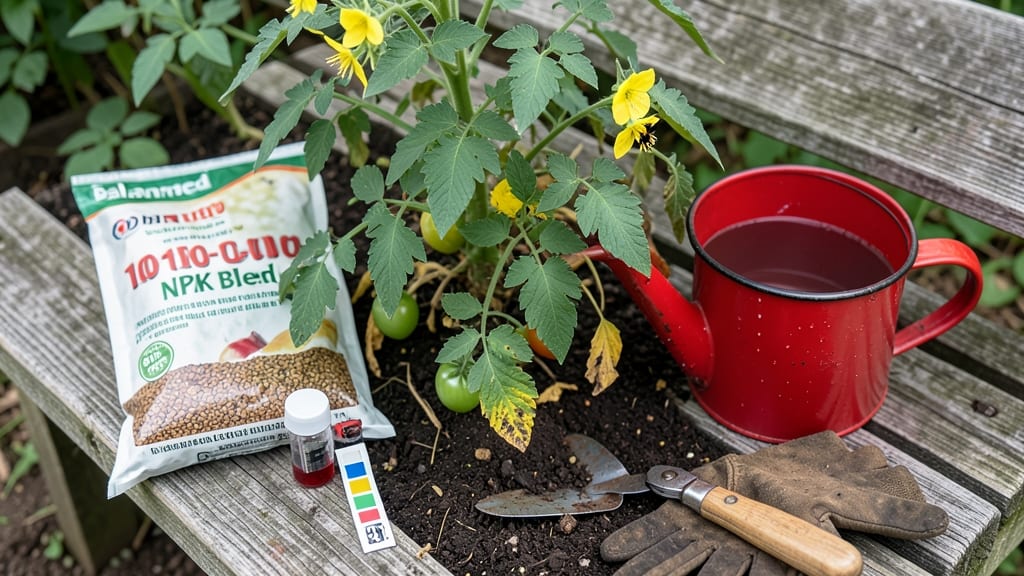
Why are my tomato plants not producing?—and it’s fixable. 🌱 After years of watching my own plants go from blooms to bust, I’ve cracked the code on the five sneaky reasons behind empty flower clusters. The good news? Most fixes take less than a day to implement. Light, heat, or even wind might be sabotaging pollination without you noticing. I’ve seen plants with perfect blooms that never set fruit because bees avoided them. A quick check of your garden’s conditions reveals whether you need to hand-pollinate or adjust watering routines that stress the plants. By tomorrow, you could be harvesting tomatoes instead of admiring empty vines. The key is identifying which of these five culprits is at play—nutrient gaps, overwatering, or even pruning too aggressively—and acting fast. Let’s get those plants producing again. First, rule out the basics: are your plants getting 6-8 hours of sunlight daily? Too much shade stunts fruit development, while inconsistent watering (either drowning or drying out roots) sends plants into survival mode instead of growth. I once killed a batch by overwatering—now I check soil moisture with my finger before reaching for the hose. Next, inspect for pests like aphids or whiteflies, which suck nutrients from blossoms. A blast of water or neem oil spray can restore balance. Even the healthiest-looking plants can be hiding nutrient deficiencies—especially phosphorus and potassium—that starve fruit production. A balanced organic fertilizer works wonders when applied at the right time. Don’t overlook pruning mistakes—too much or too little can disrupt flowering. I learned this the hard way when my plants produced leaves but no tomatoes. The fix? Trim strategically to encourage airflow and focus energy on fruit development. With these adjustments, your plants will shift from blooms to bust to bountiful harvests in no time.
Hidden Reasons Behind Poor Tomato Yields
Tomato plants are resilient, but even the hardiest varieties can struggle to produce fruit—often due to subtle, overlooked factors. Whether your plants are lush but fruitless or sporting tiny, bitter tomatoes, the root causes usually boil down to environmental stress, nutritional imbalances, or biological interference.
Below, we break down the most common culprits—backed by science—and explain why your tomatoes might be playing hard to get.
Tomatoes thrive in consistent warmth (70–85°F during the day, 55–65°F at night). When temperatures swing too high or too low—or when stress from sudden changes sets in—your plants may abort flowers or fail to set fruit.
- Too Hot? Above 90°F, pollen production drops, and flowers fall off (a condition called "flower drop"). High heat also triggers blossom end rot (calcium deficiency) by disrupting nutrient uptake. - Too Cold? Below 55°F at night, pollen won’t release, leading to empty flowers.
Early frosts or late-season chills can also stunt fruit development. - Weather Shocks: Heavy rain, wind, or humidity spikes can wash away pollen or create unfavorable conditions for pollinators (like bees).
💡 Pro Tip: Use shade cloth in peak summer or row covers in spring to stabilize temps. Hand-pollinate on calm, sunny days by gently shaking plants or using a small brush to transfer pollen.
Tomatoes are sensitive to moisture fluctuations, and inconsistent watering leads to poor fruit set, cracking, or blossom end rot.
- Underwatering: Drought stress causes abscission (flower/fruit drop) as the plant conserves energy. Roots struggle to absorb nutrients, leading to small, misshapen tomatoes. - Overwatering: Soggy soil drowns roots, starving them of oxygen and preventing calcium uptake (hello, blossom end rot).
It also promotes fungal diseases like early blight, which weakens the plant. - Inconsistent Watering: Uneven moisture causes cellular stress, leading to split tomatoes or poor pollination.
✨ Fix It Fast:
- Water deeply 1–2 times per week (1–1.5 inches per week), early in the morning.
- Use drip irrigation or soaker hoses to keep soil evenly moist.
- Mulch heavily (straw or wood chips) to retain moisture and regulate soil temp.
Tomatoes are heavy feeders, and a single missing nutrient can halt production. Here’s what to watch for:
| Symptom | Likely Deficiency | What It Does to Fruit | Quick Fix |
|---|---|---|---|
| Yellowing lower leaves | Nitrogen (N) | Stunted growth, small fruit, poor yield | Apply compost or blood meal |
| Purple stems/leaves | Phosphorus (P) | Slow root/fruit development, weak flowers | Use bone meal or rock phosphate |
| Blossom end rot | Calcium (Ca) | Fruits rot from the bottom up | Crushed eggshells or calcium nitrate |
| Yellowing between veins | Magnesium (Mg) | Poor fruit quality, bitter taste | Epsom salt (1 tbsp/gallon water) |
| Weak stems, pale leaves | Potassium (K) | Fruits are small, prone to disease | Banana peel tea or greensand |
🔥 Warning: Too much nitrogen (common with over-fertilizing) leads to leafy growth but no fruit—the plant prioritizes foliage over reproduction.
Tomatoes are self-pollinating, but wind, bees, and even gentle vibrations help ensure fruit set. If pollination fails, you’ll see:
- Empty flowers (they drop without forming fruit).
- Small, undeveloped tomatoes that fall off early.
- Fruits with seeds but no flesh (a sign of poor pollination).
Common Causes:
- No Pollinators: In greenhouses or urban areas, bees may be scarce.
- Bad Weather: Rain or high humidity can prevent pollen from releasing.
- Overuse of Chemicals: Neonicotinoids (common in some pesticides) kill bees and reduce pollination.
👨🍳 DIY Pollination:
- Shake plants gently on a dry, sunny morning.
- Use a small paintbrush to transfer pollen from flower to flower.
- Plant bee-friendly companions (basil, marigolds, borage) nearby.
Tomatoes need space to breathe—both above and below ground. When plants are too close:
- Compete for sunlight, leading to weak stems and fewer flowers.
- Struggle for water/nutrients, causing small, underdeveloped fruit.
- Spread diseases faster due to poor airflow.
Ideal Spacing:
- Determinate (bush) tomatoes: 18–24 inches apart.
- Indeterminate (vining) tomatoes: 24–36 inches apart (or use cages/trellises).
🎯 Fix It:
- Prune suckers (side shoots) to improve airflow and sunlight penetration.
- Thin seedlings if overcrowded—keep only the strongest 2–3 plants per hill.
- Train vines upward on trellises to maximize space.
Hidden invaders can sap energy from your plants, leaving them too weak to produce.
Watch for: - Aphids/Whiteflies: Suck sap, causing yellowing leaves and stunted growth. - Hornworms: Devour flowers and fruit, leading to missing tomatoes. - Fungal Diseases (Early Blight, Septoria Leaf Spot): Cause leaf drop, reducing the plant’s ability to photosynthesize. - Nematodes: Attack roots, limiting nutrient uptake.
🔪 Act Fast:
- Handpick pests (hornworms, beetles) in the morning.
- Spray neem oil for aphids/whiteflies (follow label instructions).
- Rotate crops yearly to prevent soil-borne diseases.
- Use row covers early in the season to block pests.
Quick fixes for blossom woes
Now that you’ve identified the root of the problem, let’s roll up your sleeves and get those tomato plants back on track! The good news? Many issues can be resolved in 24 hours or less with targeted action.
Below, we’ll break down practical, step-by-step solutions for each common cause—plus pro tips to keep your plants thriving long-term.
Symptoms: Lush green leaves but no tomatoes? Your plants are prioritizing foliage over fruit—thanks to too much nitrogen (N).
How to Fix It: 🔥 Stop high-nitrogen fertilizers immediately (like lawn fertilizer or blood meal). 🍳 Switch to a balanced or phosphorus-heavy feed (look for a 5-10-10 or 3-4-6 ratio on the label). Try:
- Compost tea (homemade or store-bought)
- Banana peel fertilizer (steep 2-3 peels in water for 24 hours, then dilute and water plants)
- Fish emulsion (diluted to half-strength)
👨🍳 Hand-pollinate flowers (gently shake plants or use a small paintbrush to transfer pollen). ⏰ Prune suckers aggressively—redirect energy to existing fruit.
Prevention Tips: ✨ Test your soil before planting (aim for a pH of 6.0–6.8). 🌡️ Avoid over-fertilizing—more isn’t better! Follow package instructions. 💡 Use slow-release fertilizers (like organic pellets) to prevent spikes in nitrogen.
Symptoms: Flowers dropping off or wilting? Your tomatoes are struggling with heat stress (above 90°F) or cold snaps (below 55°F).
How to Fix It: 🔥 Provide shade cloth (30–50% coverage) during peak afternoon heat. 🍳 Mulch heavily (2–3 inches of straw or wood chips) to keep roots cool. 👨🍳 Water deeply in the morning (1–2 inches per week) to stabilize soil temps. ⏰ Use row covers at night if temperatures dip below 55°F (remove during the day).
Prevention Tips: 🎯 Plant in late spring (after the last frost) or choose heat-tolerant varieties (like ‘Solar Fire’ or ‘Heatmaster’). 💡 Avoid overhead watering—wet leaves + heat = sunburn. 🌱 Train vines upward (with cages or trellises) for better airflow and cooler canopies.
Symptoms: Cracked fruit, blossom end rot, or wilting? Your watering routine is likely the culprit.
How to Fix It: 🔥 Water consistently—aim for 1–1.5 inches per week (deep soak 2–3 times/week, not daily shallow watering). 🍳 Use drip irrigation or soaker hoses (keeps soil moist without wetting leaves). 👨🍳 Check soil moisture—stick your finger 1–2 inches down; if dry, water. If soggy, wait. ⏰ Water in the morning (avoids fungal diseases from evening dampness).
Prevention Tips: 🌡️ Install a rain gauge to track natural watering. 💡 Group plants with similar water needs (tomatoes + peppers vs. herbs). ✨ Avoid wetting leaves—use a watering wand with a nozzle for targeted root watering.
Symptoms: Flowers appear but no tomatoes form? Lack of pollination (common in greenhouses or rainy weather).
How to Fix It: 🔥 Hand-pollinate daily (tap stems gently or use a paintbrush to transfer pollen). 🍳 Attract bees—plant basil, marigolds, or borage nearby. 👨🍳 Try a fan trick—place a small fan on low near plants for 10–15 minutes/day to simulate wind pollination. ⏰ Pick off excess flowers (if plants are overloaded, focus energy on existing fruit).
Prevention Tips: 🎯 Avoid over-pruning—leave some flowers to ensure pollination. 💡 Choose self-pollinating varieties (like ‘Celebrity’ or ‘Roma’) for indoor growing. 🌱 Plant near bee-friendly flowers (lavender, sunflowers, or cosmos).
Symptoms: Yellowing leaves, stunted growth, or weak stems? Your plants need a nutrient boost.
How to Fix It: 🔥 Test your soil (kits from garden centers are affordable and easy). 🍳 Amend soil with:
- Compost (for organic matter)
- Crushed eggshells (for calcium, prevents blossom end rot)
- Epsom salt (1 tbsp per gallon of water, sprayed on leaves for magnesium)
👨🍳 Transplant if needed—if roots are crowded or soil is poor, move to a larger container or fresh bed. ⏰ Use a liquid fertilizer (like seaweed extract) for a quick nutrient kick.
Prevention Tips: 🌡️ Rotate crops—don’t plant tomatoes in the same spot yearly. 💡 Mulch annually to retain nutrients and moisture. ✨ Top-dress with worm castings for a slow-release nutrient boost.
Final Pro Tip: 🎯 Keep a garden journal—note watering, fertilizing, and weather patterns to spot trends next season!
With these fixes, your tomato plants should start setting fruit within days. Stay consistent, and soon you’ll be swimming in homegrown tomatoes! 🍅🔥
Frequently asked questions
Why do my tomato plants have flowers but no fruit?
This usually means pollination failed. Tomatoes need wind, bees, or gentle vibrations to transfer pollen. Try hand-pollinating by tapping stems or using a small paintbrush to transfer pollen between flowers. Plant bee-friendly flowers nearby to attract natural pollinators.
Can too much water prevent my tomatoes from forming?
Overwatering creates soggy soil that drowns roots and prevents calcium uptake, causing blossom end rot. Water deeply 1-2 times per week (1-1.5 inches total) and always in the morning. Let the top inch of soil dry between waterings to avoid root stress.
How do I know if my tomato plants need more nutrients?
Check for these signs: yellowing lower leaves (nitrogen deficiency), purple stems (phosphorus deficiency), or blossom end rot (calcium deficiency). Start with a balanced organic fertilizer like 5-10-10 or try compost tea. Test your soil pH—tomatoes thrive at 6.0-6.8.
Will pruning my tomato plants help them produce more fruit?
Yes, but only if done correctly! Remove suckers (side shoots between main stem and branches) to improve airflow and redirect energy to fruit production. For indeterminate varieties, prune aggressively to focus growth upward. Never prune more than 1/3 of the plant at once.
Can extreme heat stop my tomatoes from setting fruit?
Temperatures above 90°F can cause flower drop by preventing pollen production. Provide afternoon shade with 30-50% shade cloth and mulch heavily to keep roots cool. Choose heat-tolerant varieties like 'Solar Fire' if your climate gets very hot.