
Companion Plants
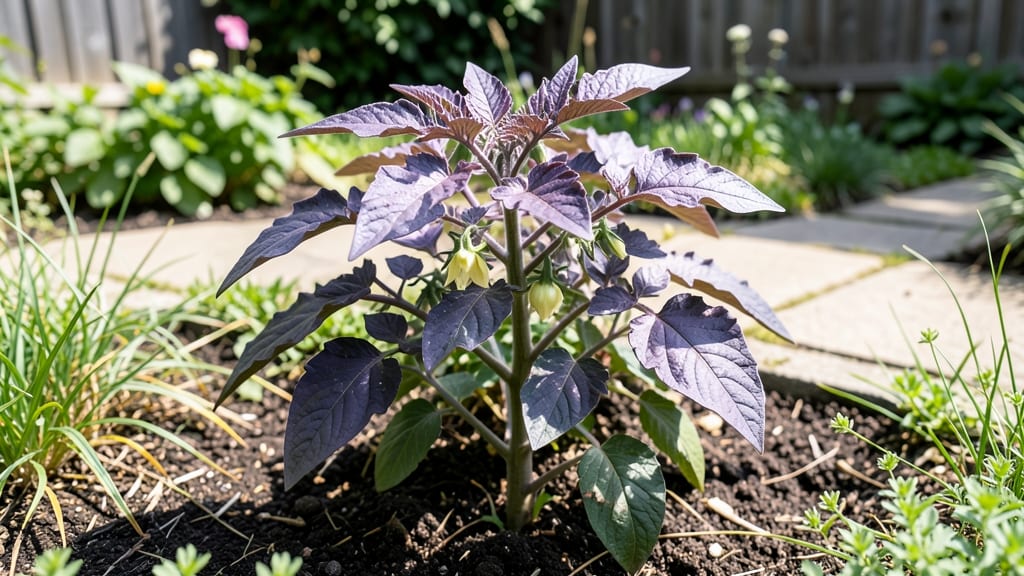
When the tomato plants look purple, it’s usually a cry for help—not a death sentence. 🌱 I’ve seen this happen more than I’d like to admit, and I can tell you it’s almost always fixable with the right adjustments.
Purple leaves or stems mean your plants are struggling with phosphorus deficiency, environmental stress, or even hidden pests, but the good news is you can turn things around in just a few days with targeted fixes.
The first step is checking the soil and leaves closely—purple usually appears on the undersides of leaves or along stems. If it’s paired with stunted growth or dark green foliage, phosphorus is likely the culprit.
But if the purple shows up with wilting or spots, pests or disease might be at play. Grab a soil test kit or scrape a small sample to inspect for grubs or mites before jumping to conclusions.
Once you’ve identified the issue, the fix is straightforward: add a balanced fertilizer (like 10-10-10) for phosphorus, improve drainage if the soil’s too compact, and keep an eye out for pests like aphids or spider mites.
Within a week, you’ll see those purple patches fade and your plants rebound with vibrant green growth—just in time for a bountiful harvest.
This works for both container-grown tomatoes and in-ground plants, so don’t let a little purple scare you off. The key is acting fast and staying consistent with care. Your tomatoes will thank you with juicy, red fruit before you know it.
Root Causes Behind Purple Tomato Leaves
When your tomato plants start showing off those mysterious purple hues, it’s usually a cry for help—not a fashion statement! 🌱💜 Understanding the underlying causes can help you diagnose and fix the issue before it affects fruit production.
Below, we break down the most common reasons why your tomato plants might be turning purple, along with the science behind each one.
Purple leaves on tomato plants are most often linked to a phosphorus deficiency, but other nutrients can also play a role. Here’s the breakdown:
- Phosphorus Shortage (P):
Phosphorus is crucial for energy transfer, root growth, and flower/fruit development. When soil lacks available phosphorus, tomato plants may produce anthocyanins—pigments that give leaves a purple or reddish tint. This is especially common in:
- Young plants struggling to establish roots.
- Soils with high pH (alkaline conditions), which lock out phosphorus.
- Sandy or fast-draining soils where nutrients wash away quickly.
- Potassium Deficiency (K): While less common than phosphorus issues, potassium deficiencies can also trigger purple discoloration, particularly on the undersides of leaves or along leaf veins. Potassium helps regulate water and nutrient movement—without it, plants may show stress symptoms like:
- Weak stems (prone to snapping).
- Poor disease resistance.
- Fruits that split or develop poor flavor.
- Magnesium or Calcium Imbalance: Purple veins or edges on older leaves can signal magnesium deficiency (chlorosis between veins), while purple stems or new growth may indicate calcium issues. These minerals are often tied to soil pH and organic matter levels.
Pro Tip: 💡 Conduct a simple soil test to confirm deficiencies. Many garden centers offer DIY kits, or send a sample to a local extension service for a detailed analysis.
Not all purple leaves mean starvation—sometimes, your plants are just reacting to their surroundings. Here’s how:
- Temperature Fluctuations: Tomato plants are tropical at heart and dislike sudden cold snaps or heatwaves. Purple hues can appear as a protective response to:
- Nighttime temperatures below 50°F (10°C), which stunts growth.
- Heat stress above 95°F (35°C), causing leaf scorch and pigment changes.
- Water Stress: Both overwatering (leading to root rot and nutrient uptake issues) and underwatering (causing dehydration) can trigger purple leaves. Look for:
- Wilting or crispy edges (underwatering).
- Yellowing between veins (overwatering + poor drainage).
- Light Intensity: Insufficient sunlight (especially in shaded gardens) can cause tomato plants to produce more anthocyanins as a way to absorb more light. If your plants are less than 6–8 hours of direct sun daily, they may start turning purple to compensate.
Quick Fix: 🌡️ Monitor your garden’s microclimate. Use mulch to regulate soil temperature, and consider shade cloth if summer heat becomes extreme.
The pH scale measures how acidic or alkaline your soil is, and tomatoes thrive in a slightly acidic range (6.0–6.8). When pH strays too far from this, nutrient availability plummets:
| pH Level | Effect on Tomato Plants | Purple Leaf Trigger |
|---|---|---|
| Below 5.5 (Too Acidic) | Aluminum and manganese become toxic, damaging roots. | Yellowing leaves with purple stems (phosphorus + magnesium lockout). |
| Above 7.0 (Too Alkaline) | Phosphorus, iron, and zinc become unavailable. | Purple leaves on younger growth; stunted plants. |
Action Step: 🔥 Test your soil pH with a kit, then amend it gradually:
- For alkaline soil: Add sulfur or peat moss to lower pH.
- For acidic soil: Mix in lime or wood ash to raise pH.
Now that you know the why, the next step is fixing it—stay tuned for our 3-step nutrient deficiency fix to get your tomato plants back to their vibrant green selves!
Fixing Purple Tomato Plants Fast
Now that you know why your tomato plants are turning purple—whether from nutrient deficiencies, stress, or environmental factors—let’s get them back to their vibrant, productive selves! Here’s a step-by-step guide to diagnosing the root cause and applying the right fix, plus tips to keep your plants thriving long-term.
Before diving into fixes, confirm what’s wrong. Use this 30-second visual guide to narrow it down:
| Symptom | Likely Cause | Fix Section |
|---|---|---|
| Purple stems + stunted growth | Phosphorus deficiency | [Boost Phosphorus](#boost-phosphorus) |
| Purple leaves (especially older ones) | Potassium or nitrogen imbalance | [Balance Nutrients](#balance-nutrients) |
| Purple new growth + weak stems | Stress (heat, drought, or transplant shock) | [Reduce Stress](#reduce-stress) |
| Purple fruits (blossom end rot) | Calcium or magnesium deficiency | [Add Calcium & Magnesium](#add-calcium-magnesium) |
| Purple entire plant (dark, almost blackish-purple) | Overwatering or poor drainage | [Adjust Watering](#adjust-watering) |
💡 Pro Tip: If your plants are also wilting or yellowing, rule out pests (like aphids) or disease (like early blight) first—these can mimic nutrient issues!
Phosphorus is the P in NPK (nitrogen-phosphorus-potassium), and it’s crucial for root and flower development. If your stems are purple and growth is stunted, your plants are screaming for more!
🍳 How to Fix It: 1. Use a balanced fertilizer (look for a high-middle P ratio, like 5-10-10 or 10-20-20). - Example: Mix 1 tbsp of 10-20-10 granular fertilizer per gallon of water and water the soil at the base (not the leaves).
- Add bone meal (organic option): - Sprinkle 1–2 tbsp of bone meal per plant and lightly scratch it into the top 2 inches of soil. - Water well to activate.
- Compost tea or fish emulsion: - Brew a compost tea (steep compost in water for 24–48 hours) or use fish emulsion (5-1-1) diluted to half-strength. - Apply as a foliar spray (lightly mist leaves) and soil drench.
⏰ When to See Results: You should notice greener stems in 7–10 days. If not, increase the phosphorus ratio next time.
If older leaves are turning purple, your plants might be lacking potassium (K) or nitrogen (N)—or getting too much of one.
👨🍳 How to Fix It:
| Issue | Solution | Avoid |
|---|---|---|
| Purple lower leaves (nitrogen deficiency) | Use a high-nitrogen fertilizer (like 20-5-10) or blood meal (organic). | Over-fertilizing with phosphorus/potassium. |
| Purple edges on leaves (potassium deficiency) | Apply potassium sulfate or wood ash (sprinkle ½ cup per plant). | Chlorine-based fertilizers (they leach potassium). |
| Yellowing + purple (magnesium deficiency) | Spray Epsom salt solution (1 tbsp per gallon of water) on leaves and soil. | Overwatering (washes away magnesium). |
💡 Pro Tip: Test your soil (use a DIY kit or send to a lab) to avoid guessing. Over-fertilizing can burn roots!
Tomatoes under heat stress, drought, or transplant shock can turn purple as a survival mechanism. Here’s how to cool them down:
- Water deeply but less often: - Morning watering (before 10 AM) is best—1–1.5 inches per week (more in extreme heat). - Use drip irrigation or soaker hoses to keep soil moist (not soggy).
- Mulch like a pro: - Spread 2–3 inches of straw or shredded leaves around the base to retain moisture and cool roots.
- Shade cloth for hot days: - If temps hit 90°F+, drape 30–50% shade cloth over plants for a few hours.
- Avoid over-fertilizing: - Too much nitrogen = softer stems = more prone to heat stress.
✨ Prevention Tip: Hardening off seedlings before transplanting reduces shock. Acclimate them to outdoor conditions over 5–7 days.
If your tomatoes are purple at the blossom end (or cracking), they’re calcium-deficient (blossom end rot). Magnesium issues can also cause purple discoloration.
🔪 How to Fix It: 1. Crushed eggshells (best organic fix):
- Dry and crush eggshells, then sprinkle 1 tbsp per plant into the soil.
- Water well to dissolve calcium.
- Calcium nitrate or lime: - Mix 1 tsp calcium nitrate in a gallon of water and water the soil. - For magnesium, use Epsom salt spray (1 tbsp per gallon).
- Avoid overwatering: - Too much water = calcium leaches away.
Keep soil consistently moist but not waterlogged.
🎯 Quick Fix: Foliar spray with calcium chloride (1 tsp per gallon) for immediate uptake.
If your entire plant is dark purple (almost blackish), you might be overwatering, leading to root rot and nutrient uptake problems.
🚰 How to Fix It: 1. Let the soil dry slightly between waterings:
- Stick your finger 1 inch into the soil—if it’s damp, wait. 2. Improve drainage:
- Add perlite or sand to heavy clay soil.
- Ensure pots have drainage holes.
- Aerate compacted soil: - Loosen soil with a garden fork to help roots breathe.
🔥 Emergency Fix: If roots are rotting, prune affected roots, repot in fresh soil, and reduce watering.
Once you’ve fixed the issue, keep these habits to avoid future purple scares:
✅ Fertilize regularly but balanced: Stick to a liquid fertilizer every 2 weeks (like fish emulsion or seaweed extract). ✅ Mulch heavily: Retains moisture and nutrients. ✅ Monitor soil pH: Tomatoes thrive in 6.0–6.8 pH.
Adjust with lime (to raise pH) or sulfur (to lower pH) if needed. ✅ Prune wisely: Remove suckers to improve airflow and nutrient distribution. ✅ Rotate crops: Don’t plant tomatoes in the same spot yearly—depletes nutrients.
Final Thought: Purple tomatoes might seem alarming, but with the right fix, your plants will bounce back stronger and more productive! 🍅💪 Start with the most likely cause, apply the solution, and keep an eye on progress—your garden will thank you.
Frequently asked questions
Why do tomato stems turn purple but not the leaves?
Purple stems usually indicate a phosphorus deficiency, where the plant prioritizes moving nutrients to leaves for photosynthesis. The stems act as a storage reserve, showing purple first. Check for stunted growth—this confirms phosphorus is locked out, often due to alkaline soil or sandy conditions that drain nutrients quickly.
Can I fix purple tomato leaves with coffee grounds?
Coffee grounds can help slightly by adding nitrogen, but they won’t address phosphorus or potassium deficiencies—the main causes of purple leaves. For better results, mix 1 cup of coffee grounds per plant with bone meal (1 tbsp) and compost to balance nutrients. Test soil pH first—coffee grounds lower it, which may worsen phosphorus availability in alkaline soils.
Will purple tomato leaves still produce fruit?
Yes, but the quality may suffer if the deficiency isn’t fixed. Purple leaves signal stress, which can reduce fruit size, flavor, and yield. Act fast: Apply a balanced fertilizer (10-10-10) and ensure 6+ hours of sunlight daily. With proper care, your plants will rebound and still produce tomatoes—just prioritize fixing the issue before flowering.
Is purple discoloration contagious between plants?
No, purple leaves aren’t contagious—they’re a symptom of environmental or nutritional stress. However, if nearby plants show similar symptoms, check for shared issues like poor soil drainage, overwatering, or pests (e.g., spider mites). Isolate affected plants temporarily to diagnose the root cause before treating the whole garden.
How long does it take to see results after fixing purple leaves?
With the right fix, you’ll notice improvements in 3–7 days. Phosphorus deficiencies show progress fastest (greener stems in 5–7 days), while potassium or magnesium issues may take 10–14 days to fully resolve. Monitor leaf color changes and adjust care (e.g., watering, sunlight) if no improvement occurs after 2 weeks—this may indicate a deeper issue like root rot.