
Vegetables
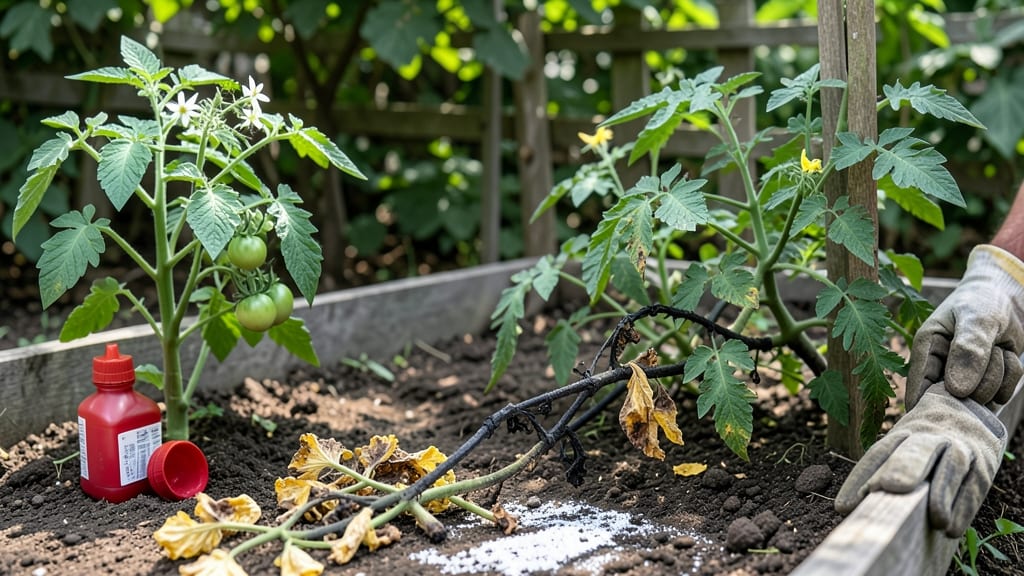
Seeing tomato herbicide damage on your plants doesn’t mean it’s game over. 🌱 I’ve nursed back plants that looked like chemical war zones—yellowed leaves, twisted stems, and fruit that wouldn’t set—back to productive health using simple organic fixes.
The key is acting fast and focusing on recovery, not just damage control. First, stop using any chemicals immediately. Herbicide damage spreads through the plant’s system, and more spray only makes things worse. Instead, flush the soil with 3-4 gallons of water daily for 3 days to dilute residual chemicals.
Prune any severely damaged foliage with clean shears (sterilize with rubbing alcohol) to redirect the plant’s energy. Within 2 weeks, you’ll see new growth pushing through if the roots are still healthy.
Feed the plants with compost tea or a diluted fish emulsion (1 tbsp per gallon) to rebuild strength. The plants may never fully bounce back to pre-damage size, but with consistent care, they’ll produce a surprisingly decent harvest—often better than store-bought tomatoes.
For next season, switch to organic weed control: layered mulch, hand-pulling, or vinegar-based sprays (1 gallon vinegar + 1 oz dish soap + 1 tbsp salt). The goal is prevention—because once herbicide hits, even the hardiest tomato plant needs a fighting chance.
Hidden Culprits Behind Tomato Harm
Herbicide damage on tomatoes isn’t always obvious—sometimes it’s a slow, sneaky process that leaves gardeners scratching their heads. Understanding the root causes (pun intended) helps you protect your plants and revive them faster. Here’s why your tomatoes might be suffering from herbicide-related stress, even if you didn’t spray them directly.
Herbicides don’t always stay where you spray them. Wind, water runoff, or even overspray from neighboring properties can drift onto your tomato plants. Systemic herbicides (like glyphosate) are particularly sneaky—they absorb into plant tissues and can linger in the soil for months, affecting tomatoes even after the initial application.
- How it happens: A neighbor treating weeds with a broad-spectrum herbicide, or even a strong pre-emergent in nearby lawns, can seep into your garden via roots or foliage.
- Signs to watch for:
- Yellowing leaves (especially older ones)
- Stunted growth or weak stems
- Unexplained wilting despite proper watering
- Actionable fix: Test your soil for herbicide residues (kits are available online) and avoid planting tomatoes in contaminated areas for at least a season.
Herbicides break down, but some compounds—like 2,4-D or dicamba—can persist in the soil for years, especially in clay-heavy or poorly drained areas. Tomatoes, being heavy feeders, absorb these residues through their roots, leading to herbicide toxicity.
| Herbicide Type | Lifespan in Soil | Tomato Symptoms |
|---|---|---|
| Glyphosate (Roundup) | 3 months to 2+ years (depends on soil type) | Leaf cupping, brown edges, poor fruiting |
| 2,4-D (Weed-B-Gon) | 1–6 months | Curled leaves, distorted growth, fruit malformation |
| Dicamba (Banvel) | Up to 12 months | Stunted plants, twisted stems, chlorotic (yellow) spots |
Pro tip: If you suspect soil contamination, amend the area with compost or organic matter to dilute residues. Plant cover crops like clover to absorb lingering chemicals before introducing tomatoes.
Not all mulch or compost is created equal. If you’ve used treated wood chips, grass clippings from chemically treated lawns, or contaminated compost, your tomatoes may be absorbing herbicide residues indirectly.
- Common sources:
- Mulch from pallets or lumber treated with herbicide-resistant preservatives
- Grass clippings from lawns sprayed with pre-emergent herbicides
- Compost made from garden waste that included herbicide-damaged plants
- Symptoms: Slow growth, epinasty (downward leaf curling), or blackened stems near the soil line.
- Solution: Switch to certified organic mulch (like straw or untreated wood chips) and avoid composting plants that show herbicide stress.
Even if you’re careful, herbicide drift—where wind carries spray particles beyond the target area—can devastate tomato plants. This is especially common with aerial spraying or when applying herbicides on windy days.
Key offenders:
- Post-emergent herbicides (e.g., glufosinate) that kill on contact
- Volatile herbicides (like dicamba) that evaporate and re-deposit elsewhere
What to do:
- Plant tomatoes downwind of treated areas (if possible).
- Use buffer zones (at least 10–20 feet) between sprayed areas and your garden.
- Apply herbicides early in the morning when winds are calm.
Herbicides don’t always show their damage immediately. Some compounds bioaccumulate in the soil, meaning they build up over time and hit tomatoes hard in subsequent growing seasons. This is why rotational planting is crucial.
Red flags:
- Tomatoes planted in the same spot year after year show worsening symptoms.
- Weeds in the area are resistant to herbicides (a sign of lingering chemicals).
Revival strategy:
- Plant herbicide-tolerant cover crops (like mustard greens) to detoxify the soil.
- Test soil before planting using a home test kit.
- Consider biochar or activated charcoal in the soil to bind and neutralize residues.
Quick revival steps for damaged tomatoes
Reviving tomatoes after herbicide exposure is possible—even if the damage looks severe at first. The key is acting fast with targeted fixes tailored to the type of injury. Below, we’ve mapped out practical solutions for each cause, plus prevention tips to keep your plants thriving long-term.
If your tomatoes show leaf scorch, yellowing, or drooping, follow these immediate actions:
🔥 Remove Affected Parts
- Snip off severely damaged leaves, stems, or fruits using sterilized pruners (wipe with rubbing alcohol between cuts).
- Do not compost herbicide-contaminated plant matter—double-bag and dispose to prevent soil spread.
💦 Flush the Soil (For Mild Exposure)
- Water deeply (1–2 inches) to dilute residual herbicide in the topsoil.
- Use rainwater or filtered water if possible—chlorine in tap water can further stress plants.
- Repeat every 2–3 days for a week to help leach out chemicals.
🌡️ Boost Recovery with Organic Nutrients
- Mix a foliar spray of:
- 1 tbsp molasses (per gallon of water) – feeds beneficial microbes.
- 1 tsp seaweed extract (for growth hormones).
- 1 tbsp baking soda (for pH balance, if leaves are scorched).
- Apply in the early morning or evening to avoid sunburn on treated leaves.
If the entire plant is struggling or the soil was directly sprayed, take these soil-saving steps:
🔄 Replace Topsoil (For Severe Cases)
- Scoop out the top 4–6 inches of contaminated soil.
- Replace with fresh, organic compost or a mix of:
- 50% coco coir (absorbs toxins).
- 30% worm castings (rich in microbes).
- 20% perlite (for drainage).
- Avoid garden soil—it may still contain herbicide residues.
🌱 Plant a "Clean-Up" Cover Crop
- Sow fast-growing crops like buckwheat, clover, or mustard greens to:
- Outcompete weeds (reducing herbicide temptation).
- Bind toxins in the soil.
- Improve soil structure in 4–6 weeks.
- Chop and drop the cover crop before replanting tomatoes.
💡 Pro Tip: Test Your Soil First!
- Use an at-home herbicide test kit (available online) to confirm if residues remain.
- Avoid replanting tomatoes in the same spot for at least 12 months—herbicides can linger.
An ounce of prevention is worth a pound of cure! Here’s how to protect your tomato patch long-term:
🛡️ Choose the Right Herbicide (If Needed)
- Never use post-emergent herbicides (like glyphosate) near tomatoes—they’re non-selective.
- Pre-emergent options (like corn gluten meal) are safer but must be applied before weeds sprout.
- Hand-pull weeds instead—tomatoes are shallow-rooted and easy to cultivate around.
🌿 Mulch Like a Pro
- Apply 2–3 inches of organic mulch (straw, grass clippings, or wood chips) to:
- Block weed seeds from germinating.
- Retain moisture (herbicide stress worsens in dry soil).
- Regulate soil temperature (prevents heat stress).
🎯 Smart Garden Layout
- Plant tomatoes in raised beds (elevated soil reduces drift exposure).
- Use windbreaks (like corn or sunflowers) to shield plants from herbicide spray drift.
- Keep a 10-foot buffer between your tomato patch and any lawn treated with herbicides.
✨ Bonus: Companion Plants for Protection
- Marigolds (repel pests and mask tomato scent from herbicide-sensitive bugs).
- Basil (improves tomato flavor and deters some weeds naturally).
- Nasturtiums (trap crop for aphids, reducing the need for chemical interventions).
- Mild cases (leaf burn, minor wilting): 1–2 weeks with proper care.
- Moderate cases (root damage, stunted growth): 3–4 weeks (may need staking for support).
- Severe cases (systemic damage, no new growth): Consider replanting—some tomatoes may not recover.
Remember: Patience is key! With organic amendments, proper watering, and weed control, your tomatoes can bounce back—and next season will be even stronger. 🚀
Frequently asked questions
Can I still save my tomato plants if they were sprayed with herbicide?
Yes, but act fast! Immediately flush the soil with 3-4 gallons of water daily for 3 days to dilute chemicals. Prune severely damaged leaves with sterilized shears and avoid composting contaminated plant matter. Within 2 weeks, you may see new growth if roots are healthy.
How do I know if my tomato plants have herbicide damage vs. disease?
Herbicide damage often shows as uniform yellowing or browning (not spotty like disease), stunted growth, or twisted stems. Check for recent herbicide use nearby—wind drift or soil contamination are common culprits. Diseases usually appear as irregular spots or mold.
Will my tomatoes still produce fruit after herbicide exposure?
Possibly, but quality may suffer. If damage is mild, plants can still fruit—though smaller or deformed. For severe cases, focus on recovery first. Use organic nutrients like fish emulsion to support regrowth. Expect a delayed harvest if new growth appears.
Can I use vinegar as a weed killer around my tomatoes?
Vinegar is safer than herbicides, but use it carefully! Mix 1 gallon vinegar + 1 oz dish soap and spray only on weeds (not tomato leaves). Apply in early morning on calm days to prevent drift. Avoid spraying when tomatoes are flowering or fruiting.
How long should I wait before planting tomatoes in contaminated soil?
At least 12 months—some herbicides persist that long. Test soil first with a home kit. In the meantime, plant cover crops like clover to detoxify the area. For immediate results, use raised beds with fresh, organic soil.