
Companion Plants
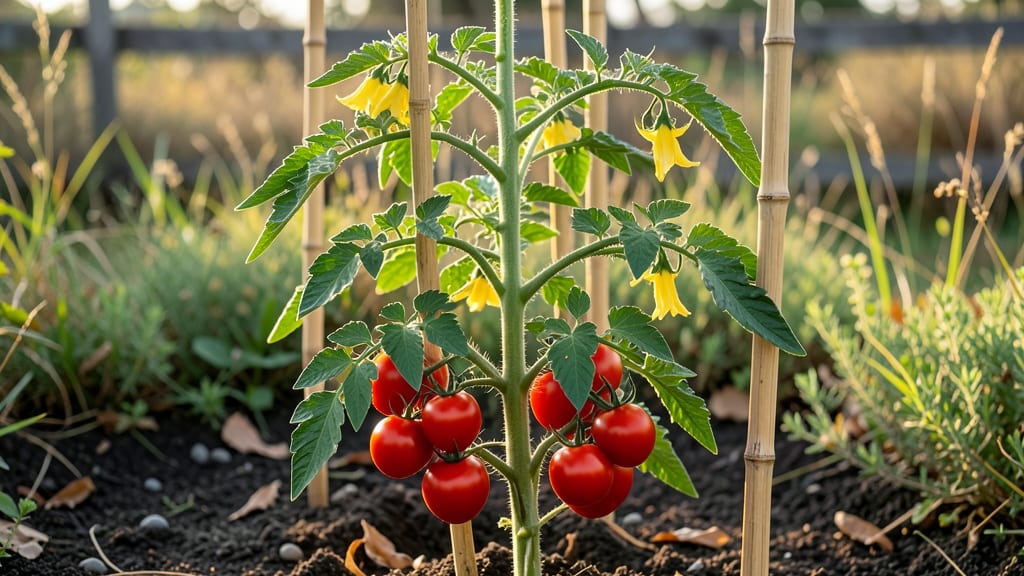
The Flavor Bomb tomato plants deliver a punch of flavor that’ll make your garden the talk of the neighborhood. 🌿 This heirloom variety packs garlic-chili notes into every juicy bite, plus its natural pest-repelling aroma keeps bugs at bay—no sprays needed.
The secret lies in its bold genetics and how you grow it, from sun-drenched soil to proper pruning. Plant these indeterminate vines in full sun with well-draining soil, and space them 18-24 inches apart to give roots room to stretch.
Water deeply at the base (never the leaves!) to prevent cracking, and feed with compost or balanced fertilizer every 2-3 weeks once flowers appear. The key? Mimic their natural habitat—warm days, cool nights, and consistent moisture.
You’ll know you’ve nailed it when deep red, beefsteak-sized tomatoes start appearing in late summer, bursting with that signature garlic-chili kick. Harvest before full ripeness to extend the season, and save seeds for next year’s garden.
These plants grow 6-8 feet tall, so trellising is a must unless you love sprawling vines. The real magic happens when pests avoid your plants entirely—no aphids, no hornworms, just lush, productive vines that reward your effort with tomatoes so flavorful, you’ll never buy store-bought again.
Perfect for home gardens, containers, or small spaces with proper support.
📚 In This Guide
- What you need
- Instructions
- Tips and common mistakes
- Wrapping up and next steps
What you need
- ● Tomato seeds or seedlings: 3–5 plants (choose heirloom or cherry varieties for best flavor).
- ● Garlic cloves: 10–15 hardneck or softneck cloves (organic, untreated preferred).
- ● Chili pepper plants: 2–3 plants (e.g., Thai chili, jalapeño, or cayenne for heat + pest control).
- ● Compost or well-aged manure: 5–10 gallons (for nutrient-rich soil).
- ● Organic fertilizer: Balanced (10-10-10) or tomato-specific blend (follow package rates).
- ● Mulch: Straw or shredded leaves (2–3 inches thick to retain moisture).
- ● Garden trowel or transplant spade (for planting).
- ● Pruning shears (to trim suckers and shape plants).
- ● Watering can or hose with gentle nozzle (drip irrigation ideal).
- ● Gloves (to protect hands from chili peppers and garlic).
- ● Plant markers or stakes (to label and support tomato plants).
- ○ Spray bottle (optional) (for diluting chili-garlic pest repellent sprays).
- ● Sunny location: At least 6–8 hours of direct sunlight daily.
- ● Well-draining soil: pH 6.0–7.0 (test kit recommended).
- ● Spacing: 18–24 inches between tomato plants, 12 inches for garlic/chili.
- ● Patience: Tomatoes take 60–90 days to fruit; garlic/chili mature slower!
How to grow flavor bomb tomatoes with garlic-chili pest repellent
Here’s how to grow tomatoes that pack bold flavor and keep pests away—naturally.
🌱 Step 1: Select and Prepare Your Tomato Varieties
Choose 4 heirloom tomato varieties known for their intense flavor, like 'Cherokee Purple,' 'Brandywine,' or 'Black Krim.' These deep, rich tomatoes thrive with the garlic-chili combo. Start seeds indoors 6-8 weeks before your last frost date—I like to use biodegradable peat pots to avoid root disturbance later.
Fill the pots with sterile seed-starting mix (never garden soil) and plant 2-3 seeds per pot at a depth of ¼ inch. Press lightly to ensure good soil contact. Keep the mix consistently moist but never soggy—soggy soil invites damping-off disease, which can wipe out seedlings overnight.
🌿 Step 2: Plant Garlic and Chili as Companion Crops
Once your tomato seedlings reach 4-5 inches tall and have 3-4 true leaves, it’s time to plant their pest-repelling partners. Choose hardneck garlic (for its strong aroma) and hot peppers like Thai chili or habanero (for their natural capsaicin). Plant the garlic 2-3 inches deep and 6 inches apart, while the chili plants go in 12 inches away from the tomatoes.
This spacing ensures the garlic and chili don’t compete for nutrients but still release their pest-deterring compounds into the soil. I like to interplant them in a checkerboard pattern—one tomato, one garlic, one chili—so every plant benefits from the natural repellent effect. Water deeply after planting to help roots establish.
☀️ Step 3: Provide Full Sun and Balanced Fertilization
Tomatoes need 6-8 hours of direct sunlight daily to develop their signature sweetness. Place your plants in the sunniest spot in your garden, and if you’re growing in containers, rotate them quarter-turn weekly to prevent leggy growth. Use a balanced, organic fertilizer (like 5-5-5) every 4-6 weeks to encourage strong, flavorful fruit.
Here’s the thing—too much nitrogen makes tomatoes grow leafy but flavorless. I switch to a low-nitrogen, high-phosphorus fertilizer (like 3-6-3) when flowers appear to boost fruit development. Watch for deep green leaves and sturdy stems—that’s your sign the plants are thriving and ready for the garlic-chili pest control system.
💧 Step 4: Maintain Moisture and Pest Control
Water tomatoes deeply at the base every 2-3 days, ensuring the soil stays consistently moist but not waterlogged. Overhead watering can spread disease, so I use a drip irrigation system or water early in the morning. The garlic and chili will also benefit from this moisture, but avoid wetting their leaves to prevent fungal issues.
As the plants grow, the garlic’s strong aroma and the chili’s capsaicin will naturally repel common tomato pests like aphids, whiteflies, and even deer. If you notice any pests, crush a few garlic cloves or chili peppers near the base of the plants—this releases even more of their natural deterrents. You’ll know it’s working when you see fewer pests and healthier foliage.
✂️ Step 5: Prune and Harvest for Peak Flavor
Prune your tomato plants regularly to improve air circulation and focus energy on fruit production. Remove suckers (the small shoots that form in the leaf axils) and any yellow or diseased leaves. This keeps the plant healthy and ensures the energy goes into producing bold, flavorful tomatoes. The garlic and chili should also be pruned lightly—just enough to keep them from overcrowding the tomatoes.
Harvest your tomatoes when they’re fully colored and slightly soft to the touch. The garlic can be harvested when lower stems turn brown and papery, while the chilis are ready when they’re firm and deep in color. Store them in a cool, dry place, and you’ll have a pest-free, flavor-packed harvest that’ll make your garden the talk of the neighborhood.
Tips & tricks for growing flavor-packed tomato plants
These insider tricks will help you cultivate tomatoes bursting with flavor while keeping pests at bay naturally.
Seed Starting Insight: When planting your 2-3 seeds per pot in Step 1, use a pencil to make small holes in the sterile seed-starting mix—this creates better soil contact and prevents seedlings from sinking too deep. I’ve found that seedlings planted at exactly ¼ inch depth germinate more consistently than those buried deeper. Keep the pots in a warm spot (around 70°F) to speed up germination, which typically occurs within 7-14 days.
Companion Planting Strategy: In Step 2, when arranging your checkerboard pattern of tomatoes, garlic, and chili, place the garlic closest to the tomato stems. The volatile sulfur compounds in garlic are most effective at repelling pests when they’re in direct contact with tomato roots. For chili plants, choose varieties with high capsaicin content—the hotter the pepper, the stronger the pest deterrent. I’ve noticed that Thai chilis work particularly well for this purpose.
Fertilizer Transition Tip: The switch from 5-5-5 to 3-6-3 fertilizer in Step 3 is crucial for flavor development. When you see the first flower buds appear, that’s your cue to make the change. Too much nitrogen at this stage will result in lush foliage but bland fruit. I recommend mixing a small amount of compost into the soil at this point—it provides additional phosphorus and micronutrients that tomatoes crave during fruiting.
Watering Wisdom: The 2-3 day watering schedule in Step 4 works best when you water deeply—aim for about 1 inch of water per week. I’ve found that using a moisture meter helps maintain the perfect balance between consistently moist and not waterlogged. Early morning watering prevents fungal diseases by allowing foliage to dry completely before nightfall, which is when most fungal spores become active.
Pro Tips for Flavor Bomb Tomato Plants
- These insider tricks will help you cultivate tomatoes bursting with flavor while keeping pests at bay naturally.
- Seed Starting Insight: When planting your 2-3 seeds per pot in Step 1, use a pencil to make small holes in the sterile seed-starting mix—this creates better soil contact and prevents seedlings from sinking too deep.
- Companion Planting Strategy: In Step 2, when arranging your checkerboard pattern of tomatoes, garlic, and chili, place the garlic closest to the tomato stems.
Frequently asked questions
How soon after planting can I add garlic and chili to my tomato plants?
Wait until your tomato plants are 4–6 weeks old and have established roots before introducing garlic and chili. This gives them time to recover from transplant shock. For best results, space the garlic cloves 6–8 inches away from tomato stems and plant chili peppers 12–18 inches apart to avoid competition.
How often should I replant garlic or chili near tomatoes?
Garlic is a one-time companion—plant it once in early spring (or fall in mild climates) and let it decompose naturally. Chilies, however, can be replanted annually or even kept as perennials in warm zones. Replace them every 2–3 years to maintain vigor and pest-repelling strength.
What if pests like aphids or whiteflies still appear?
If pests persist, try these extra tricks:
- Spray with neem oil (1 tsp per quart of water) weekly.
- Invite ladybugs or lacewings—they devour soft-bodied pests.
- Blast off pests with a strong water spray (early morning works best).
Can I use dried or powdered garlic/chili instead of fresh?
Fresh is best for pest control, but you can use powdered forms as a last resort. Mix 1 tbsp garlic powder + 1 tsp cayenne into 1 gallon of water, strain, and spray foliage (reapply every 2 weeks). Avoid overdoing it—powdered versions lack the root-level benefits of live plants.
Will this method affect tomato flavor or yield?
Not at all! In fact, many gardeners report sweeter, more aromatic tomatoes when grown with garlic and chili. The companions enhance soil health and may even reduce blossom-end rot. Just ensure proper spacing—crowded plants can compete for nutrients, slightly reducing yield.
What if I live in a cold climate? Can I still use this method?
Yes! Start garlic indoors in late winter (hardneck varieties do best) and transplant after the last frost. For chilies, choose short-season varieties (like ‘Early Jalapeño’) or grow them in containers to move indoors when temps drop below 50°F. Mulch heavily to protect roots.
Wrapping up and next steps
Transforming your garden into a flavor bomb tomato haven doesn’t just elevate your harvest—it turns pest control into a natural, aromatic victory! 🌱 By pairing your tomatoes with garlic and chili companions, you’re not just boosting flavor; you’re creating a defense system that keeps critters at bay while packing a punch of culinary magic.
Ready to taste the difference? Grab your gloves, plant those bulbs, and let your garden work its delicious, pest-repelling magic!
Next step: Start small—try a single tomato plant with garlic and chili companions this season, and watch (and taste!) the results unfold. Happy gardening! 🌿