
Size
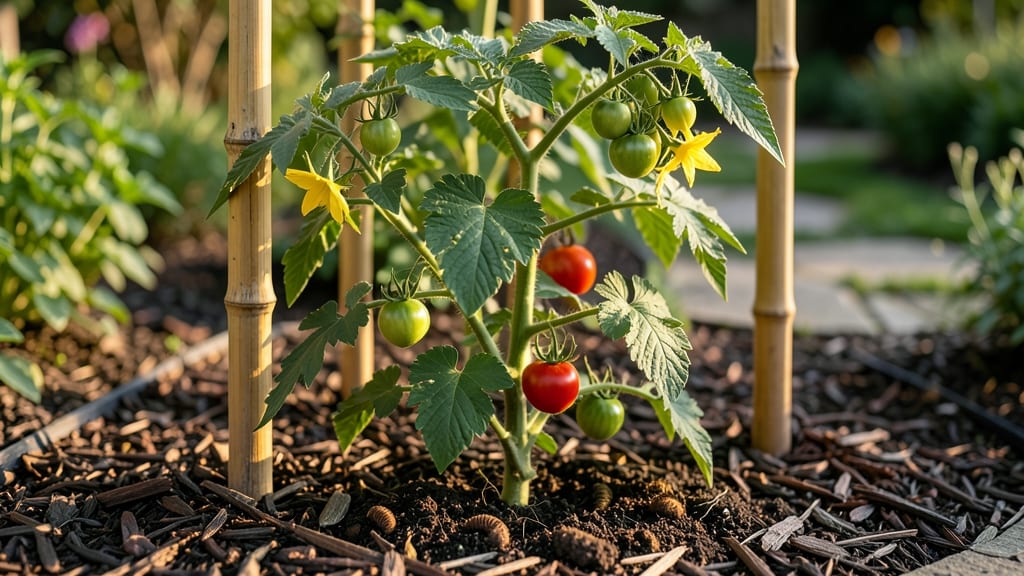
The best way to grow tomato plants starts with one simple truth: healthy roots mean heavy fruit. 🌱 I’ve grown tomatoes for over a decade, and the difference between a handful of green tomatoes and a vine sagging under red ones comes down to three things—soil, sunlight, and support.
Skip any of them, and you’ll end up with leggy plants and bitter fruit.
First, you need well-draining soil mixed with compost—no cheap bagged dirt will do. Tomatoes crave nutrients, and they’ll tell you when they’re hungry by dropping leaves or blossoms. Pair that with 6-8 hours of direct sun daily (morning sun is key), and you’re already ahead of 90% of gardeners.
Watering gets tricky: deep soaks twice a week beat daily light sprinkles, which lead to weak stems and blossom end rot.
By day 60, you’ll be snipping ripe tomatoes straight off the vine, their sweetness exploding with every bite. The secret? Prune suckers early (those little shoots in the joint) and stake or cage plants at transplant—no more flopping vines.
Organic growers swear by fish emulsion for fertilizer, while conventional gardeners reach for balanced 10-10-10. Both work, but the real magic happens when you listen to the plants.
Works for cherry, beefsteak, or heirloom varieties—just adjust spacing (18-36 inches apart). Whether you’re in a small pot or a backyard plot, these steps cut the guesswork. Here’s how to make it happen without the trial-and-error headaches.
📚 In This Guide
- What you need
- Instructions
- Tips and common mistakes
- Wrapping up and next steps
What you need
- ● Tomato Seeds or Seedlings: Seeds: 1–2 packets (10–20 seeds per packet) of your favorite variety (e.g., cherry, beefsteak, or heirloom).
- ● OR 3–5 healthy seedlings from a nursery (transplant after last frost).
- ● Containers or Garden Space: Containers: 5-gallon pots or larger (1 plant per container; deeper = better for root growth).
- ● Garden Beds: Well-draining soil, 12–18 inches deep, with full sun (6+ hours/day).
- ● High-Quality Potting Mix: 1–2 bags (40–60 lbs) of organic, sterile mix (avoid garden soil—it’s too dense!).
- ○ Optional boost: Mix in 1–2 cups of compost or worm castings per container.
- ● Fertilizer: Balanced organic fertilizer (e.g., 5-5-5 or 10-10-10) or tomato-specific feed.
- ● Slow-release granules (1 tbsp per plant) or liquid fertilizer (follow label instructions).
- ● Watering Supplies: Watering can or hose with a gentle spray nozzle (avoid soaking leaves).
- ○ Drip irrigation kit (optional but highly recommended for consistent moisture).
- ● Stakes or Cages: 5–6 ft wooden stakes OR 4–5 ft tomato cages (1 per plant).
- ● Pruning Shears: Sharp, clean shears (sterilize with rubbing alcohol between plants).
- ● Mulch: Straw, shredded leaves, or black plastic (1–2 inches thick) to retain moisture and suppress weeds.
- ● pH test kit (ideal soil pH: 6.0–6.8).
- ● Epsom salt (1 tbsp per gallon of water monthly for magnesium boost).
- ● Row covers or shade cloth (to protect seedlings from pests or harsh sun).
- ● Plant markers (to label varieties and track progress).
- ● Grow lights (for indoor starts or early seedlings).
- ● Compost tea or fish emulsion (for a nutrient kick).
Step-by-step instructions for growing bursting tomato vines
Here’s how I grow tomatoes that produce heavy fruit in just 60 days—no tricks, just proven techniques.
🌱 Step 1: Start Seeds Indoors at the Right Time
Plant seeds 6-8 weeks before your last frost date so they’re ready to transplant when soil warms to 60°F. I use biodegradable pots (2-3 inches deep) filled with sterile seed-starting mix—never garden soil, which can harbor diseases. Press the mix down lightly, then tap the pot to settle it without compacting.
Drop 1-2 seeds per pot at a depth of ¼ inch—too deep delays germination. Cover with a sprinkle of mix, then mist gently until the surface looks damp but not soggy. Place pots in a warm spot (75-85°F) with a humidity dome or plastic wrap. Check daily but resist watering again until you see sprouts—usually 5-10 days.
☀️ Step 2: Provide Light and Prevent Leggy Seedlings
The instant seedlings emerge, move them under 14-16 hours of bright light daily. A south-facing window won’t cut it—seedlings stretch toward light and become weak. I use a grow light just 2-4 inches above the plants, raising it as they grow. Watch for thick stems and deep green leaves—these are signs of strong growth.
If seedlings look leggy (long, pale stems), they need more light. Rotate pots weekly so all sides grow evenly. Once they have 2 sets of true leaves, thin to the strongest seedling per pot. This ensures energy goes to one plant instead of competing sprouts.
🪴 Step 3: Harden Off and Transplant Outdoors
Two weeks before your last frost, start hardening off seedlings by placing them outside in a sheltered spot for 1-2 hours the first day. Gradually increase time over 10-14 days, ending with a full day in the sun. This toughens stems so they don’t shock when moved to the garden.
Transplant on an overcast afternoon when soil is 60°F+. Bury stems deeper than the pot—up to ⅓ of the plant’s height—to encourage strong root growth. Space plants 18-24 inches apart in full sun (6+ hours daily). Water deeply at the base to settle soil around roots.
💧 Step 4: Water and Feed for Heavy Fruit Production
Water deeply 1-2 times per week, aiming for 1 inch of water total. Let the top 2 inches of soil dry between waterings—consistent moisture prevents blossom-end rot. I use a drip irrigation system to keep leaves dry, which reduces disease risk. Mulch with 2-3 inches of straw to retain moisture and suppress weeds.
Feed plants with a balanced fertilizer (10-10-10) when flowers appear, then switch to a tomato-specific formula (5-10-10) once fruit sets. Too much nitrogen early on makes plants grow leaves instead of fruit. Watch for yellowing leaves—a sign of over- or under-fertilizing.
✂️ Step 5: Prune and Support for Maximum Yield
Prune suckers (shoots growing between main stems and branches) when they’re smaller than a pencil. This directs energy to fruit production. I also remove lower leaves touching the soil to improve airflow and reduce disease. Use cages or stakes to support vines as they grow—tomatoes need stability to bear heavy fruit.
When fruit sets, watch for green shoulders on tomatoes—this means they need more sun. If vines outgrow their support, gently tie them to stakes with soft cloth strips. Harvest when tomatoes are fully colored and slightly soft to touch. Regular picking encourages more production.
Tips & tricks for perfect bursting tomato vines
These proven techniques will help you grow tomatoes that produce heavy fruit in just 60 days—no tricks, just results.
Seed Starting: Confession: I skipped the biodegradable pots for years and wondered why my seedlings struggled. Those 2-3 inch pots are perfect because they prevent root binding while still being small enough to encourage strong root growth. If you're short on pots, use egg cartons temporarily—they're the same size and work beautifully for the 6-8 week indoor phase.
Lighting Secret: The 14-16 hours of light requirement is non-negotiable for strong seedlings. I learned this the hard way after growing leggy plants from a south-facing window. If you don't have grow lights, place seedlings on a counter under fluorescent shop lights (they're cheap and effective) positioned just 2-4 inches above the plants. Rotate them daily to prevent uneven growth.
Transplanting Pro Tip: When you bury stems up to ⅓ of their height during transplanting, you're essentially creating a stronger root system from those buried stems. This technique works because tomato stems can grow roots anywhere along their length. Just make sure your soil is 60°F+—cold soil can shock the plants and stunt their growth.
Watering Wisdom: The 1 inch of water total guideline might seem tricky to measure, but here's my trick: Use a rain gauge or even a straight-sided glass to measure water before pouring. For the 2 inches of dry soil between waterings, stick your finger in the soil—if it feels dry up to your first knuckle, it's time to water. This prevents both overwatering (which causes rot) and underwatering (which stresses plants).
Pro Tips for Best Way To Grow Tomato Plants
- These proven techniques will help you grow tomatoes that produce heavy fruit in just 60 days—no tricks, just results.
- Seed Starting: Confession: I skipped the biodegradable pots for years and wondered why my seedlings struggled.
- Lighting Secret: The 14-16 hours of light requirement is non-negotiable for strong seedlings.
Frequently asked questions
Got questions about growing juicy, homegrown tomatoes? You’re not alone! Here are answers to the most common queries to help you crush your tomato-growing game.
How long does it take for tomato plants to produce fruit?
Most tomato varieties take 60–85 days from transplanting to harvest, depending on the type (determinate vs. indeterminate). Cherry tomatoes often ripen faster (50–60 days), while beefsteak varieties may take longer. Start seeds early indoors or choose fast-maturing heirlooms like ‘Early Girl’ or ‘Stupice’ for quicker rewards!
What’s the best temperature for growing tomatoes?
Tomatoes thrive in 70–85°F (21–29°C) daytime temps and 55–65°F (13–18°C) at night. Avoid frost (<32°F/0°C) and extreme heat (>90°F/32°C), which can stunt growth or cause blossom drop. Use shade cloth in peak summer or mulch to regulate soil temps for steady fruiting.
Why are my tomato leaves turning yellow?
Yellow leaves often signal overwatering, nutrient deficiencies (like nitrogen), or pests/diseases (e.g., aphids, fungal spots). Check the soil—it should be moist but not soggy. Test pH (aim for 6.0–6.8) and fertilize with balanced tomato food. Remove severely affected leaves and improve airflow to prevent spread.
Can I grow tomatoes in containers? What size pot do I need?
Tomatoes thrive in containers as long as the pot is at least 5 gallons for dwarf varieties and 10+ gallons for larger types. Use well-draining soil, stake or cage the plant, and place in full sun (6+ hours/day). Self-watering pots or fabric grow bags help maintain moisture—just avoid plastic, which can overheat roots.
How do I speed up tomato growth?
Boost growth with these tricks:
- Light: Place seedlings in the sunniest spot (or use grow lights for 12–14 hours/day).
- Warmth: Preheat soil with black plastic mulch or a seedling heat mat.
- Fertilizer: Feed with low-nitrogen, high-phosphorus fertilizer (like 5-10-10) when flowers appear.
- Pruning: Remove suckers (side shoots) to direct energy to fruit.
- Water: Keep soil consistently moist—drought stress slows growth.
Wrapping up and next steps
Growing juicy, vine-laden tomato plants in just 60 days is totally doable—you just need the right mix of sunlight, soil, support, and patience! 🌱 Whether you’re a first-time gardener or a seasoned green thumb, these steps will help you cultivate heavy, flavorful fruit without the guesswork.
Start small, stay consistent, and soon you’ll be harvesting tomatoes like a pro.
Ready to dive in? Pick your spot, grab your seeds, and get growing! 🚀 Your future tomato sandwiches (or sauces!) will thank you.