
Pests and Diseases
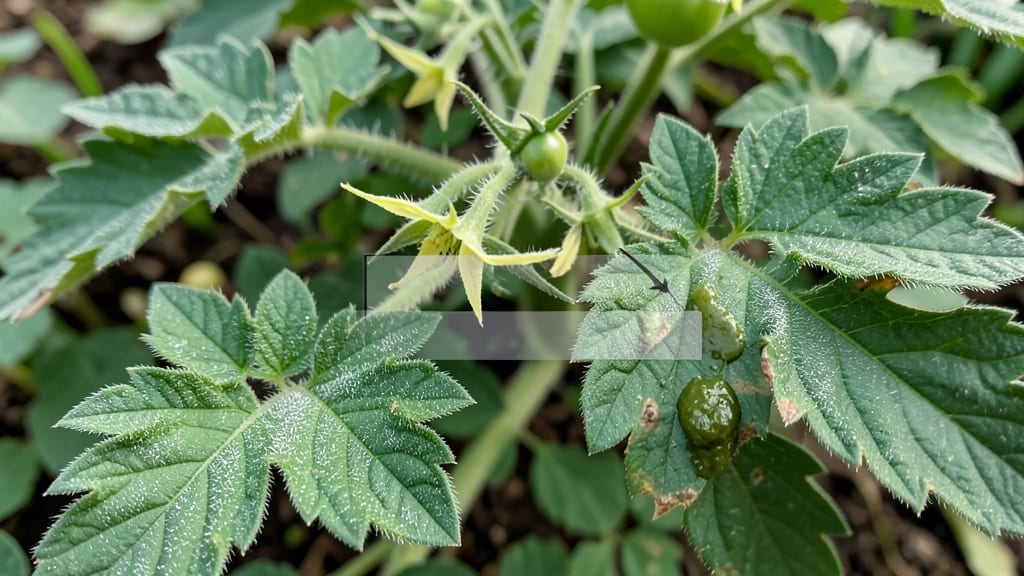
Tomato leaves are indeed poisonous when eaten in large amounts, as they contain harmful compounds like solanine and tomatine that can trigger stomach upset, dizziness, or even more severe reactions in humans and animals. While cooking reduces some risks, it's safest to avoid consuming them entirely.
These toxic compounds are naturally produced by the tomato plant to deter pests, but they're especially concentrated in the leaves and stems. 🌿 The good news? Your homegrown tomatoes themselves are perfectly safe—the toxicity is confined to the foliage.
Even then, occasional nibbles (like a single leaf) are unlikely to cause harm, but it's never worth the risk for pets or curious kids. I always recommend wearing gloves when pruning and composting tomato leaves separately from edible plant matter.
What's interesting is how plant maturity affects toxicity levels—younger leaves tend to have higher concentrations of these alkaloids than mature ones. This is why gardeners often notice their pets avoiding the freshest growth.
For those who compost, tomato leaves should be broken down first or added in small quantities to prevent buildup of these compounds in your soil.
💡 In This Article
- Toxic Compounds in Tomato Leaves: Solanine and Tomatine Explained
- Safe Gardening Practices: Handling Tomato Plants Without Risk
Toxic compounds in tomato leaves: solanine and tomatine explained
Tomato leaves contain two primary toxic compounds: solanine and tomatine, both belonging to the glycoalkaloid family. These chemicals serve as natural pesticides, protecting the plant from insects and herbivores.
Solanine is particularly potent, with studies showing it can cause symptoms at doses as low as 2-5 milligrams per kilogram of body weight. For a 150-pound adult, that translates to roughly 30-75 milligrams of pure solanine triggering adverse reactions.
The toxicity levels aren't uniform—young, tender leaves contain 2-5 times more glycoalkaloids than mature leaves. This is why gardeners often notice their pets avoiding fresh growth. Interestingly, the tomato fruit itself contains only trace amounts of these compounds (0.001% of leaf levels), making it perfectly safe to eat.
The key difference lies in the plant's chemical allocation: leaves prioritize defense mechanisms, while fruits focus on seed dispersal through appealing flavors and textures. 🌱
When ingested, these compounds interfere with nerve cell function by binding to acetylcholine receptors, similar to how some neurotoxins work. Symptoms typically appear within 6-12 hours and include nausea, vomiting, diarrhea, and abdominal pain.
In severe cases (large quantities), they can cause dizziness, confusion, or even hallucinations. Pets are particularly vulnerable due to their smaller body size and curious nature when exploring gardens.
Cooking reduces but doesn't eliminate toxicity—heat breaks down some glycoalkaloids, but not completely. For example, boiling tomato leaves for 15 minutes reduces solanine levels by about 30-40%, but you'd still need to consume impractical amounts to experience effects.
The safest approach is complete avoidance, especially for children and pets who might accidentally ingest larger quantities.
What's fascinating is how these compounds work synergistically. Tomatine, found exclusively in tomatoes, has a slightly different molecular structure than solanine but produces similar effects. Together, they create a potent defense system that's been evolving for centuries.
This chemical warfare explains why tomato plants thrive in gardens while keeping pests at bay—nature's own pest control system.
For comparison, consider the potato plant's solanine levels: green potatoes contain up to 10 times more solanine than tomato leaves, yet we rarely hear about potato leaf toxicity. This highlights how tomato leaves' toxicity is often overlooked despite their similar chemical makeup.
The key takeaway? While the compounds are real and dangerous, the risk is manageable with proper garden hygiene and awareness. 🔍