
Vegetables
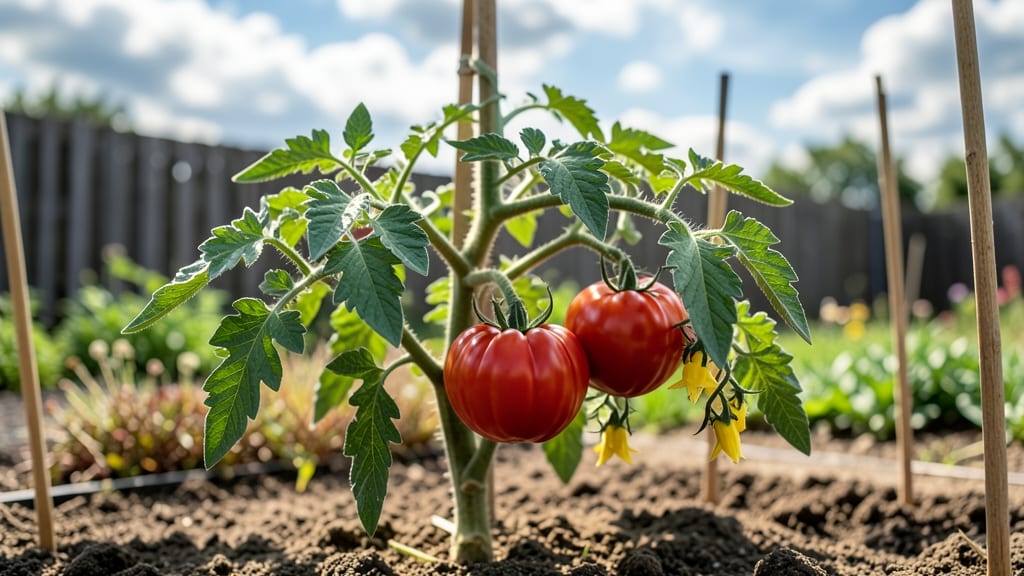
The variety of tomato whose name is also a meat is the beefsteak tomato, a massive heirloom type known for its thick, juicy flesh that holds up perfectly to slicing—just like a steak.
The beefsteak tomato got its name because its dense, meaty texture and substantial size mirror the qualities of beefsteak cuts. 🌱 Unlike smaller varieties, these tomatoes stay firm when sliced, making them ideal for sandwiches where you want that satisfying bite.
Gardeners have long used the name to highlight how these tomatoes "hold their own" like meat would on a plate.
This variety isn't just about looks—it's about performance. The thick walls mean less watery mess when you slice them, and the flavor is rich enough to stand up to bold seasonings.
I always reach for beefsteak tomatoes when I'm making burgers or Caprese salads because they deliver that hearty satisfaction without being overly acidic.
Fun fact: some heirloom beefsteak varieties can weigh over a pound each! That's why they're often called the "king" of tomatoes—both in size and culinary versatility. 💫
💡 In This Article
- Why Beefsteak Tomatoes Earn Their Meat-Inspired Name
- Growing and Using Beefsteak Tomatoes Like a Pro
Why beefsteak tomatoes earn their meat-inspired name
The beefsteak tomato's name isn't just clever marketing—it's a direct reference to its unmatched meatiness. Unlike most tomatoes with thin walls and watery centers, beefsteaks develop thick, fleshy walls (often 1/2 inch or more) that resemble the substantial muscle tissue of a beefsteak cut.
This dense structure comes from their genetics: beefsteak varieties typically have fewer seed cavities and more solid flesh, giving them a juicy yet firm bite that holds together when sliced—just like a perfectly cooked steak.
The texture comparison is fascinating when you consider how both beefsteaks and beefsteak tomatoes behave under pressure.
A ribeye steak stays intact when sliced because of its connective tissue structure, while a beefsteak tomato maintains its shape due to its high pectin content and thick cell walls. 🔥 Even when grilled, both develop a slight char on the outside while keeping their interior moist—a trait that makes beefsteak tomatoes ideal for grilling just like meat.
Their weight also mirrors beefsteaks: a single tomato can easily reach 12-18 ounces, making it a true "heavyweight" in the tomato world.
Historically, the name originated in 19th-century American gardening culture when these massive tomatoes first appeared. Gardeners compared their substantial size and firm texture to beefsteak cuts, which were becoming popular in American cuisine.
The name stuck because it perfectly captured what made these tomatoes special: their ability to stand up to handling without falling apart—just like a good steak. This naming convention also highlighted their versatility, as beefsteak cuts are prized for both eating raw and cooking, much like beefsteak tomatoes.
What most people don't realize is how the water content distribution in beefsteak tomatoes mimics that of meat. While most tomatoes have a high water content concentrated near the center, beefsteaks distribute moisture more evenly throughout their thick flesh.
This creates a balanced texture: firm enough to slice cleanly for sandwiches, but juicy enough to satisfy when eaten fresh. The flavor profile also aligns with meaty qualities—rich, slightly sweet, and complex enough to complement bold seasonings without being overpowering.
Botanically, this meatiness comes from their indeterminate growth habit, where plants produce fruit continuously throughout the season. This allows the tomatoes to develop larger and more substantial flesh compared to determinate varieties.
The result? A tomato that truly lives up to its name by delivering that satisfying, meaty experience in every bite. 💫
Consider this when selecting beefsteak tomatoes: look for ones with deep red color (indicating full ripeness) and a slightly heavy feel for their size. The skin should be firm but not rock-hard, and the stem should be plump rather than shriveled.
These visual cues guarantee you're getting that authentic beefsteak texture and flavor that makes this variety truly unique in the tomato world.