
Vegetables
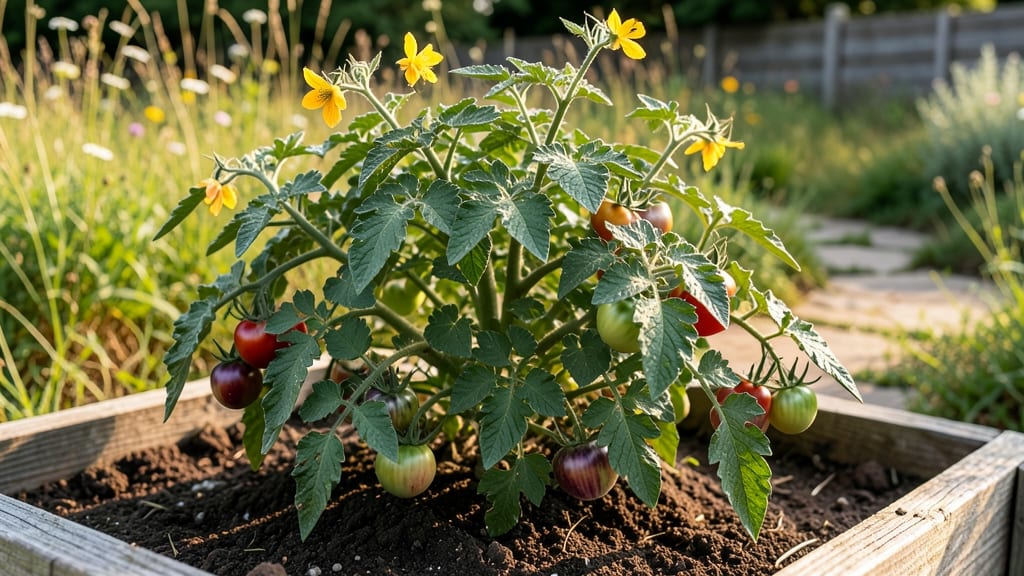
An heirloom tomato definition highlights these as open-pollinated varieties that have been preserved through generations for their distinctive flavors, vibrant colors, and diverse textures, setting them apart from commercial hybrids designed for uniformity and long shelf life. These varieties thrive when gardeners save and carefully store their seeds each season.
Heirloom tomatoes stand out because their seeds produce true-to-type plants year after year, unlike hybrid varieties that require repurchasing seeds. 🌱 This genetic stability means each heirloom variety develops its own unique characteristics—whether it's the deep purple of 'Black Krim' or the striped pattern of 'Brandywine.'
The trade-off? They often produce smaller harvests but with unmatched flavor complexity that commercial varieties simply can't match.
What makes heirlooms especially valuable is their role in preserving agricultural biodiversity. Many modern hybrids are bred for disease resistance and shipping durability rather than taste, while heirlooms maintain the genetic diversity that helps crops adapt to changing climates.
For home gardeners, this means choosing heirlooms can feel like growing a piece of culinary history in your backyard.
💡 In This Article
- How Heirloom Tomato Genetics Differ From Hybrid Seeds
- Growing Heirloom Tomatoes: Key Tips for Success
How heirloom tomato genetics differ from hybrid seeds
At the heart of heirloom tomatoes lies their open-pollinated genetics, meaning their seeds produce plants that consistently resemble their parents. Unlike hybrids created through controlled cross-pollination between two distinct varieties, heirlooms rely on natural pollination methods like wind or insects.
This genetic stability ensures that if you save seeds from a 'Cherokee Purple' tomato, the next generation will grow tomatoes with similar deep purple hues and rich, smoky flavors—something hybrid seeds can't guarantee. 🌿
Hybrid seeds, on the other hand, combine traits from two different parent plants to create offspring with specific characteristics like disease resistance or uniform size. While this results in predictable yields and longer shelf life, the first-generation hybrids (F1) don't produce true-to-type seeds.
This means gardeners must repurchase seeds annually, losing the ability to preserve the variety. Heirlooms, however, maintain their genetic integrity through generations, allowing gardeners to save seeds and potentially create new variations over time.
The genetic diversity in heirlooms also plays a crucial role in their flavor and resilience. With over 7,500 documented heirloom tomato varieties, each carries unique genetic traits that contribute to their distinct tastes, colors, and textures.
For example, the 'Sungold' heirloom produces small, golden-orange tomatoes with a sweet, tangy flavor that's a result of its specific genetic makeup. This diversity helps heirlooms adapt to different growing conditions and resist pests more effectively than many modern hybrids.
Another key difference is how heirlooms resist genetic modification. Because their seeds are open-pollinated and not patented, they remain free from the genetic alterations often found in commercial crops. This makes heirlooms a popular choice for organic gardeners and those concerned about the long-term effects of genetically modified organisms (GMOs).
Additionally, heirlooms contribute to biodiversity by preserving genetic material that might otherwise be lost in favor of mass-produced varieties.
Consider the 'Brandywine' heirloom, known for its beefsteak-sized fruits and rich, meaty texture. Its genetic stability means that every plant grown from saved seeds will produce tomatoes with similar qualities, unlike hybrids that may vary significantly.
This consistency in flavor and appearance is what makes heirlooms so prized by chefs and home gardeners alike. 🍅
For those interested in preserving heirloom varieties, understanding these genetic differences is crucial. By saving seeds from heirloom tomatoes, you're not just growing a plant—you're maintaining a piece of agricultural history and contributing to the genetic diversity that helps crops thrive in an ever-changing environment.